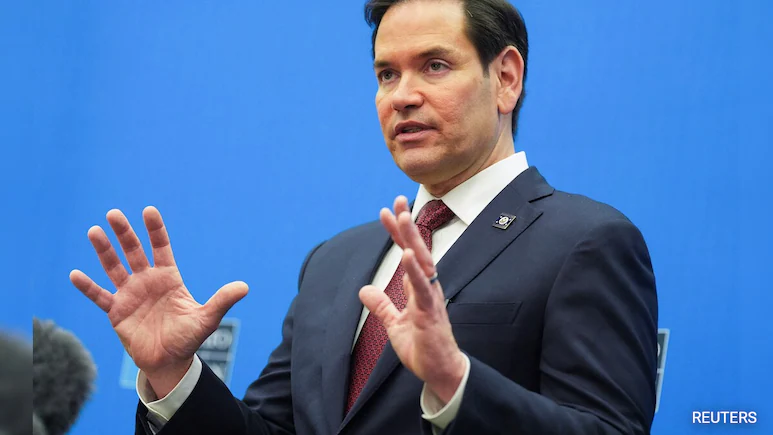
In a sudden change of plans, U.S. Secretary of State Marco Rubio will not attend this week’s high-stakes peace talks in London aimed at ending the war in Ukraine, a move that has raised fresh questions about the United States’ commitment to brokering a resolution to the ongoing conflict.
The announcement came Tuesday from State Department spokesperson Tammy Bruce, who initially said Rubio would travel to London alongside U.S. officials. However, the top diplomat has now postponed his trip, citing scheduling conflicts.
“I look forward to following up after the ongoing discussions in London and rescheduling my trip to the UK in the coming months,” Rubio said in a post on X (formerly Twitter), following a call with his British counterpart.
Despite Rubio’s absence, the London talks will proceed. President Donald Trump’s special envoy to Ukraine, General Keith Kellogg, will represent the United States during the discussions.
Mixed Signals from Washington
Bruce insisted Rubio’s cancellation was logistical and not political, telling reporters during a briefing:
“This is not a statement about the value of the talks in London. It’s simply a scheduling issue. General Kellogg will be there to continue the dialogue.”
Yet the shift has sparked speculation over whether the Trump administration is downplaying expectations for the summit. On Sunday, President Trump expressed hope that Russia and Ukraine could reach a peace deal within the week, but his top diplomat’s absence suggests Washington may be tempering its ambitions.
The reversal also came hours after Bruce appeared on Fox Business Network and indicated both she and Rubio were preparing to travel, calling the London meetings “a good open door.”
Trump’s Disruptive Diplomacy
Since returning to office in January, President Trump has taken a dramatically different approach to the war in Ukraine, diverging from the Biden-era strategy of heavy sanctions and military aid. Instead, Trump has pushed for a rapid ceasefire and eased punitive measures on Moscow, drawing concern from European allies.
He has repeatedly said he aims to broker a ceasefire by May, arguing that prolonging the war not only endangers regional stability but also risks a direct U.S.-Russia confrontation.
However, Trump has warned that the U.S. could abandon its mediation efforts if there are no signs of meaningful progress in talks. This tough-love diplomacy has unsettled many in Europe, who fear it may leave Ukraine vulnerable or embolden the Kremlin.
Strategic Retreat or Tactical Pause?
Rubio’s decision to skip the talks—especially after publicly planning to attend—has added fuel to speculation that Trump may be recalibrating Washington’s role in the negotiations.
It remains unclear whether this is a temporary adjustment or a signal that the U.S. is pulling back from leading the peace process. Either way, it comes at a delicate moment for diplomacy, with international pressure mounting to end a war that has killed tens of thousands and reshaped global geopolitics.
As General Kellogg now takes the lead in London, all eyes will be on whether this summit produces any breakthrough—or just more diplomatic theater.