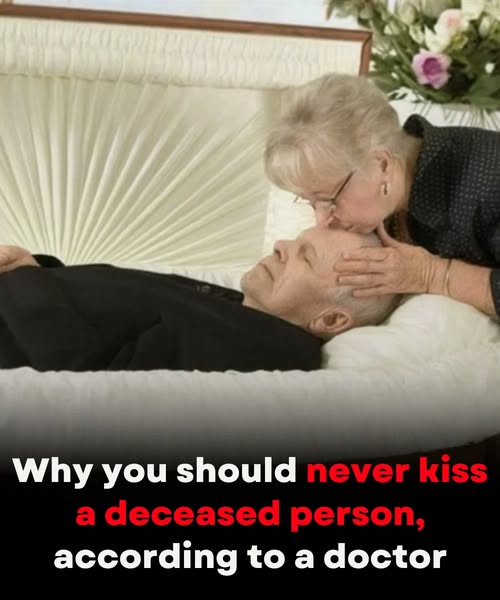
Why Do Some Doctors Advise Against Kissing a Deceased Loved One?
Dr. Viktor Ivanovik, a physician from Moldova with over 300,000 followers on TikTok, recently sparked widespread conversation by cautioning against kissing deceased loved ones. In his viral video, he highlighted potential health risks—especially if the person died from an infectious disease. While transmission after death is rare, Dr. Ivanovik explained it is still possible, prompting mixed reactions. Some praised the focus on public health, while others felt it challenged a deeply sacred grieving tradition.
In many cultures, touching or kissing the deceased—such as holding their hand or kissing their forehead—is a longstanding ritual that provides emotional comfort and closure. However, during times of contagious illness outbreaks, like the COVID-19 pandemic, health officials have advised avoiding such contact. These precautions aren’t about fear but about reducing risk and preventing further spread of disease.
Medical experts generally agree that the risk of contracting illness from a deceased person is low when death was caused by non-infectious conditions. But if the deceased had infectious diseases such as tuberculosis, hepatitis B or C, hemorrhagic fevers, or severe bacterial infections, post-mortem contact can pose genuine health dangers. In these situations, consulting a doctor or funeral professional for specific guidance is recommended.
For those seeking safer ways to say goodbye, many meaningful alternatives exist. Placing a flower on the body, lighting a candle in remembrance, writing a farewell letter, or creating photo and music tributes are heartfelt ways to honor loved ones without health risks.
Ultimately, this topic underscores the delicate balance between love, tradition, and safety. Physical gestures can be an important part of mourning, but making informed choices helps us honor those we’ve lost while protecting ourselves and others. At its core, the power of a farewell comes from intention, not just physical acts.