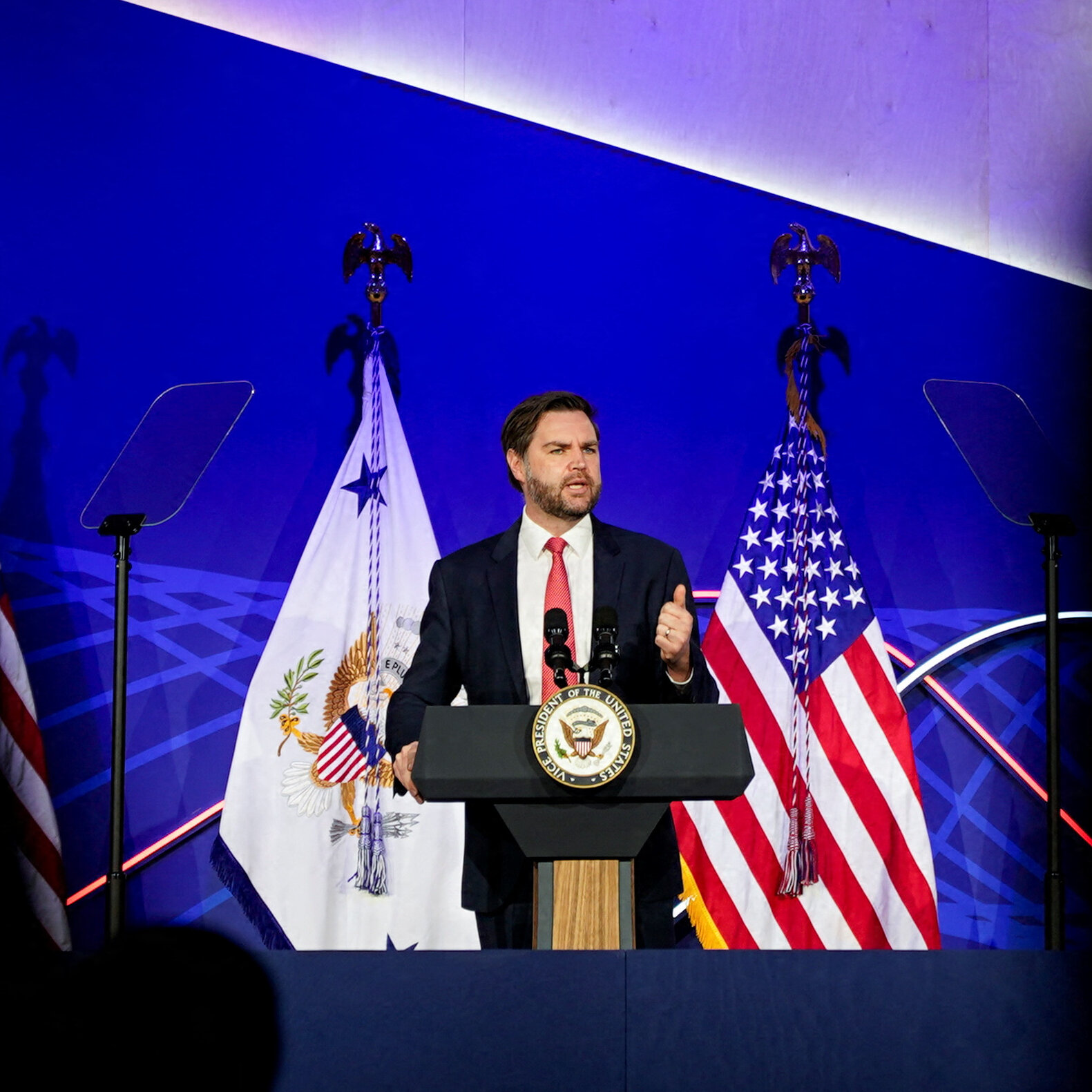
Vance Casts Historic Tie-Breaker in Contentious Senate Showdown
Vice President J.D. Vance stepped into the spotlight Tuesday, casting two tie-breaking votes in one of the year’s most heated legislative battles. The Senate was deadlocked 50–50 over President Trump’s $9.4 billion rescissions package — a sweeping rollback of previously approved federal spending targeting both foreign aid and public broadcasting.
The measure advanced only after Sens. Susan Collins (R-ME), Lisa Murkowski (R-AK), and Mitch McConnell (R-KY) joined Democrats in opposing key portions of the cuts, forcing Vance’s intervention to keep the bill alive. It was an unusually direct display of executive branch influence inside the chamber, underscoring the White House’s determination to push the package through.
Inside the Bill: Foreign Aid and Public Broadcasting on the Chopping Block
The plan would slash $8.3 billion from the U.S. Agency for International Development — curbing America’s capacity for global humanitarian response — and eliminate $1.1 billion in funding for the Corporation for Public Broadcasting (CPB).
The foreign aid cuts reflect Trump’s longstanding skepticism toward international development programs. The CPB elimination strikes directly at public television and radio funding — a network of services that critics say has become politically biased, but which defenders argue remains vital for rural emergency alerts, educational programming, and local news coverage.
Republican Defections and Their Reasoning
Collins objected to the lack of detail about which USAID programs would be axed, warning that $2.5 billion in “Development Assistance” funds could vanish without clarity on the impact to basic education, clean water, and food security. On public broadcasting, she said she opposed NPR’s bias but supported keeping local station funding intact.
Murkowski’s “no” vote was rooted in legislative fatigue: “I don’t want us to go from one reconciliation bill to a rescissions package to another and another. I don’t accept that.”
McConnell’s break with the White House, given his stature as a former majority leader, sent an unmistakable signal of concern over both the strategy and the politics of the cuts.
Strategic Tweaks to Save GOP Support
To shore up votes, Republicans moved to preserve $400 million for PEPFAR — the Bush-era HIV/AIDS relief program with broad bipartisan backing — while keeping the rest of the USAID cuts intact. Sen. Mike Rounds (R-SD) also secured extra funding for tribal radio stations to blunt rural backlash over the CPB cuts.
The Maher Factor and Media Bias Debate
The public broadcasting fight intensified under NPR CEO Katherine Maher’s leadership. GOP lawmakers seized on her past statements — including criticism of the First Amendment’s protection of “bad information” and social media posts about “white supremacy” — to argue that NPR cannot be trusted with taxpayer money.
Rep. Jim Jordan (R-OH) grilled Maher over NPR’s political makeup (87 registered Democrats, zero Republicans) and its coverage of the Hunter Biden laptop story, COVID origins, and the Trump-Russia probe. Even comedian Bill Maher (no relation) sided with the defunding push, calling the partisan imbalance “indefensible.”
Rural Stakes and Local Fallout
While NPR and PBS receive only small percentages of their budgets from the federal government, many rural member stations rely heavily on CPB funding for survival — including for emergency alerts and local coverage commercial outlets ignore. The cuts could shutter some outlets entirely, especially in remote and tribal areas.
The Clock Is Ticking
The House must act by Friday to keep the rescissions bill moving. Trump has personally lobbied Republicans, urging them to “DEFUND THE CORPORATION FOR PUBLIC BROADCASTING (PBS and NPR), which is worse than CNN & MSDNC put together.” A marathon “vote-a-rama” on amendments is expected before the final Senate roll call.
Bigger Than One Bill
For Trump and Vance, the tie-breakers were more than procedural moves — they signaled a willingness to use every tool to shrink government spending and challenge public media’s federal lifeline. The outcome will not only decide the fate of USAID programs and CPB funding but could also set a precedent for how aggressively future administrations wield rescission authority.
If it passes, expect diplomatic fallout abroad, local station closures at home, and an enduring fight over whether taxpayer dollars should support public journalism in a hyper-partisan media environment.