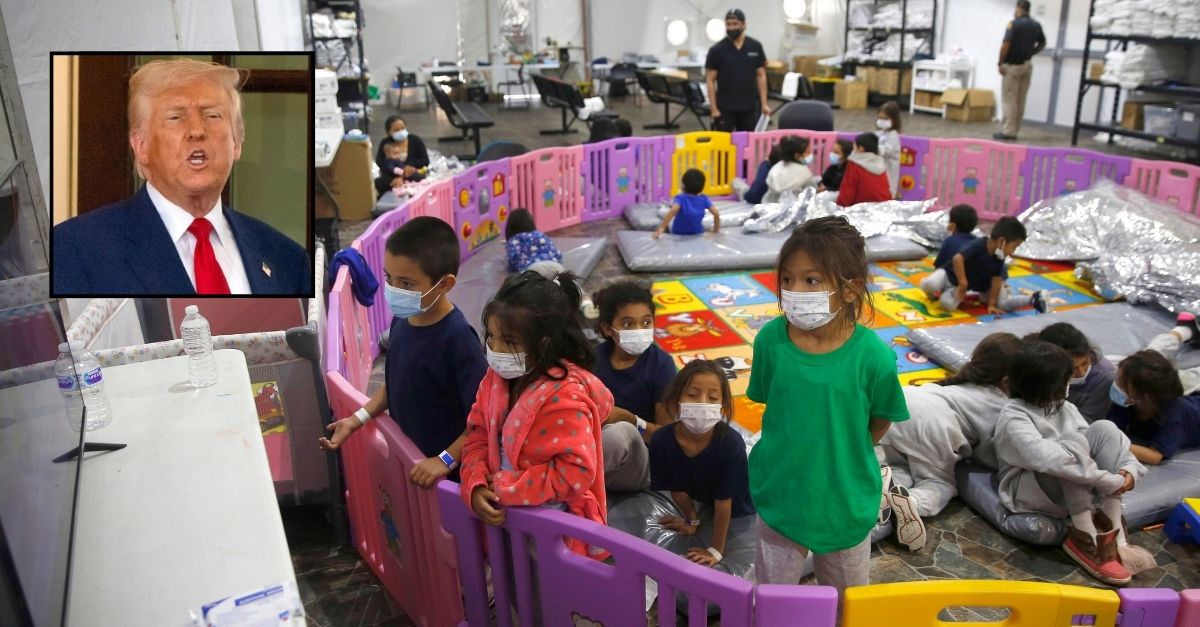
A panel of federal judges in California swiftly rejected the Trump administration’s attempt to overturn a block on cutting funding for legal representation for unaccompanied child migrants.
The Ninth Circuit Court of Appeals took less than a day to deny the Trump administration’s emergency request for the full court to review the case. The one-line ruling stated: “The petition for rehearing en banc is denied on behalf of the court,” with no dissents filed. The three-judge panel included Senior U.S. Circuit Judge A. Wallace Tashima (appointed by Bill Clinton), Judge John B. Owens (appointed by Barack Obama), and Judge Roopali H. Desai (appointed by Joe Biden).
The case stems from the Trump administration’s March 2025 decision to abruptly terminate funding for attorneys representing unaccompanied minors facing immigration proceedings. This move, announced without warning, affected nonprofit legal groups that had long provided crucial representation to vulnerable migrant children.
The lawsuit, Community Legal Service in East Palo Alto v. U.S. Department of Health and Human Services, argues that the funding cuts violate the 2008 Trafficking Victims Protection Reauthorization Act (TVPRA). The TVPRA mandates that the government “ensure, to the greatest extent practicable” that all unaccompanied minors receive legal counsel during immigration proceedings to protect them from exploitation and mistreatment.
Plaintiffs argued that for more than a decade — across Democratic and Republican administrations — the government honored this commitment. The funding ensured that children who couldn’t afford private attorneys still had legal representation, helping courts operate more fairly and efficiently.
After the sudden funding cut, nonprofit groups warned that hundreds of children would be left without lawyers, leading to mass staff layoffs, prolonged detentions, and wrongful deportations — even of children with valid claims to lawful immigration status.
On April 1, U.S. District Judge Araceli Martinez-Olguin granted a temporary restraining order (TRO) blocking the funding cuts. The judge ruled that the balance of harms tipped sharply in favor of protecting the children. The TRO was later extended amid allegations that the government was not complying with the court’s orders.
When the Trump administration appealed the TRO to the Ninth Circuit, the appellate judges quickly dismissed the case on procedural grounds. They ruled that temporary restraining orders, which typically expire after 14 days unless extended, are generally not appealable. The court emphasized that the short-term nature of a TRO makes it moot for appeals unless it evolves into a preliminary injunction.
The denial is another major legal setback for Trump-era immigration policies, following previous court rulings blocking efforts to cut sanctuary city funding and attempts to limit immigration protections.
Meanwhile, broader legal battles over migrant deportations, legal rights for minors, and humanitarian protections continue to work their way through the courts — with the rights of unaccompanied migrant children at the center of the storm.