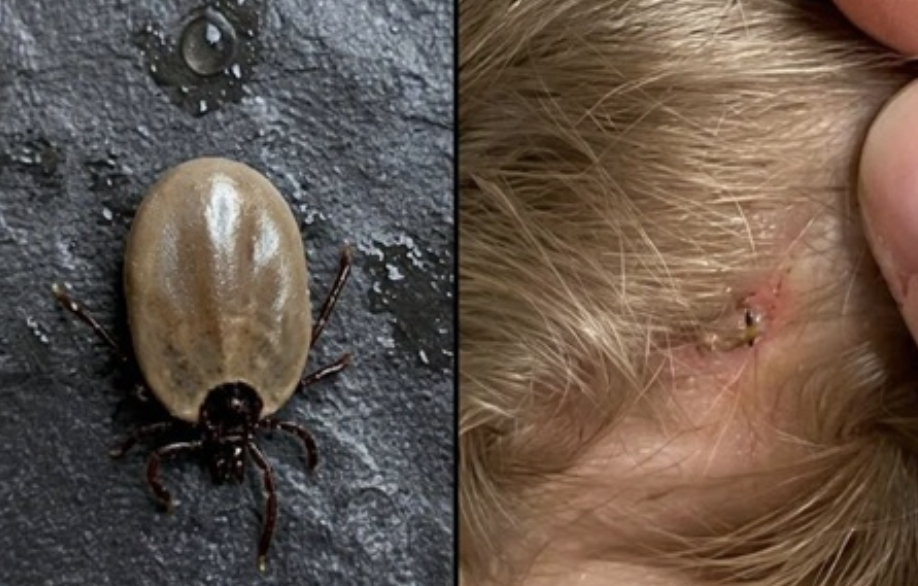
Nature has a way of hiding its greatest hazards in the smallest packages. Imagine walking through a sun-dappled forest, trekking along a favorite hiking trail, or simply tending to the overgrown corners of your backyard garden. It is easy to feel completely at ease. Yet, beneath the canopy and clinging to the tips of tall blades of grass, some of nature’s most patient predators are waiting.
Ticks are microscopic parasites that survive on a single, vital resource: blood. Because they are so small—often no larger than a poppy seed—they are masters of stealth. They don’t jump, fly, or drop from trees. Instead, they practice a sit-and-wait strategy known as “questing,” holding onto leaves and brush with their back legs while extending their front legs, ready to latch onto any passing human, mammal, bird, or reptile that brushes past. Once they hitch a ride, they seek out dark, hidden, and warm folds of the body, making them incredibly difficult to spot at first glance.
The Invisible Bite: Why You Won’t Feel a Thing
If a mosquito lands on your arm, you usually feel the sting or the itch almost immediately. Ticks play a much longer, quieter game. Their bites are entirely painless. When a tick finds a suitable spot on your skin, it injects a sophisticated cocktail of specialized saliva containing local anesthetics and anticoagulants. This numbs the area and keeps your blood flowing freely, allowing the parasite to anchor its barbed mouthparts firmly into your skin to feed slowly over several days.
Because of this natural numbing agent, you or your pets might host a tick for hours, or even days, without ever realizing it. If you happen to glimpse the bite site early on, it might look like nothing more than a minor skin irritation—a small red dot, a faint rash, or a bump that easily passes for a harmless bug bite. This complete lack of initial discomfort is precisely what makes them so successful, and so dangerous. The real issue is not the physical bite itself, but what the tick might leave behind.

The Clock is Ticking: The Microscopic Danger of Disease
The primary concern with these parasites is their role as vectors for disease. Ticks act as biological syringes, capable of transmitting a variety of infectious organisms—including bacteria, viruses, and cellular parasites—directly into the bloodstream while they feed.
The Golden Rule of Tick Safety: The risk of disease transmission increases the longer the tick remains attached to your skin.
In many cases, it takes several hours of feeding for pathogens to move from the tick’s gut into the host. This means that early detection and rapid, proper removal are your best defenses. If you find a tick and remove it quickly and correctly, you dramatically slash your chances of contracting a serious infection.
After you pull a tick away, it is completely normal for the skin to remain slightly red or irritated for a short period—this is simply your body reacting to the foreign saliva. However, the real work begins after the tick is gone. Monitoring the bite site and your overall health over the following days and weeks is essential.
Symptoms Beyond the Skin: Recognizing the Warning Signs
Tick-borne illnesses are notorious chameleons; they can manifest days or even weeks after the initial bite, often masquerading as other common ailments. You might experience a cluster of flu-like symptoms that feel entirely unrelated to a walk in the woods, which can easily mislead both patients and physicians.
Key symptoms to watch out for include:
-
Fever and chills
-
Unusual or overwhelming fatigue
-
Persistent headaches
-
Widespread muscle aches and joint pain
-
Swollen lymph nodes
The Bull’s-Eye and Lyme Disease
The most famous of these conditions is Lyme disease, a bacterial infection carried primarily by blacklegged ticks. In its early stages, Lyme disease mimics the flu, but it frequently presents a classic, undeniable warning sign: an expanding skin rash that radiates outward from the bite site, often taking on a distinct “bull’s-eye” pattern (known clinically as erythema migrans). If caught early, Lyme disease is highly treatable with antibiotics. However, if left untreated, the bacteria can migrate deeper into the body, causing chronic joint inflammation, severe nervous system complications, and in rare instances, debilitating heart problems.
Other Regional Threats
Lyme disease is far from the only threat lurking in the brush. Depending on your geographic location and the specific tick species native to the area, a bite can transmit a host of other serious illnesses:
-
Rocky Mountain Spotted Fever: A rapidly progressing bacterial disease that causes a characteristic spotted rash and can become life-threatening if not treated immediately.
-
Ehrlichiosis and Anaplasmosis: Bacterial infections that target white blood cells and cause severe systemic symptoms.
-
Babesiosis: A microscopic parasite that infects and destroys red blood cells, leading to hemolytic anemia.
-
Tick Paralysis: A rare condition caused by neurotoxins found in the saliva of certain ticks, which causes progressive weakness that resolves once the tick is removed.
While anyone can fall ill from a tick bite, certain groups face a much higher risk of severe complications, including young children, older adults, and individuals with compromised immune systems.
Knowing When to Seek Urgent Medical Care
It is critical to understand the dividing line between a minor local skin reaction and a medical emergency. You should consult a healthcare professional if you notice local signs of infection at the bite site, such as worsening redness, significant swelling, heat radiating from the skin, or the presence of pus. Similarly, systemic symptoms like a stubborn fever, severe headache, or joint stiffness warrant a trip to the doctor.
However, some situations require immediate, emergency medical intervention. If you or a loved one experience any of the following symptoms after a known or suspected tick exposure, do not wait:
-
Difficulty breathing or shortness of breath
-
Chest pain or irregular heart palpitations
-
Sudden muscle weakness or difficulty walking
-
Acute paralysis or numbness in the limbs
-
Confusion, dizziness, or other sudden neurological changes
These severe complications may be less common, but they serve as a stark reminder that a tick bite should never be dismissed as a minor annoyance.
The Field-Tested Method for Safe Removal
If you discover a tick buried in your skin, don’t panic—and step away from the matches, folklore remedies, and home remedies. Popular myths suggest smothering the tick with petroleum jelly, painting it with nail polish, or using a hot match to burn it off.
Medical experts explicitly warn against these methods. Irritating the tick with heat or chemicals can cause it to regurgitate its stomach contents back into your bloodstream, drastically increasing the risk of infection.
Instead, follow this precise, clinically approved removal method:
-
Use Fine-Tipped Tweezers: Avoid blunt household tweezers, which can crush the tick. Grab fine-tipped tweezers instead.
-
Get Close to the Skin: Grasp the tick’s body as close to your skin’s surface as physically possible, right at its mouthparts.
-
Pull Straight Up: Apply slow, steady, upward pressure. Do not twist, jerk, or wiggle the tick, as this can cause the body to break off, leaving the infectious mouthparts embedded in your skin.
-
Sanitize the Area: Once removed, thoroughly wash the bite site and your hands with soap and warm water, or apply an antiseptic like rubbing alcohol.
-
Save the Evidence: Consider placing the tick into a sealed plastic bag or a small container. If you develop symptoms later, a doctor or laboratory can identify the species to pinpoint exactly what pathogens you might have been exposed to.
Defense is the Best Offense: How to Stay Safe Outdoors
Preventing a tick bite is vastly easier and more effective than treating a tick-borne disease after the fact. Protecting yourself doesn’t mean you have to avoid the outdoors entirely; it simply means adopting a few smart habits before you head out.
Dress for Success
When entering wooded, brushy, or tall grassy areas, create a physical barrier. Wear long-sleeved shirts and long pants. A classic but highly effective insider trick is to tuck your pant legs into your socks and your shirt into your waistband. This forces ticks to crawl up the outside of your clothes rather than finding immediate access to your skin. Choosing light-colored clothing also makes it much easier to spot the dark specks of crawling ticks before they reach your skin.
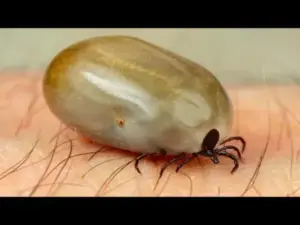
Repellents and Trail Tactics
Apply an EPA-approved insect repellent containing DEET, picaridin, or IR3535 to your skin and clothing, or treat your outdoor gear with permethrin. When hiking, stick to the center of well-cleared trails. Avoid cutting through dense brush or walking directly through deep piles of leaf litter, which are prime tick habitats.
The Post-Adventure Routine
The defense strategy continues once you step back inside your home. Make it a habit to perform a thorough, full-body tick check immediately after spending time outdoors. Strip down and inspect every nook and cranny. Pay special attention to their favorite hiding spots:
-
Deep in the scalp and behind the ears
-
Under the arms and around the chest
-
Around the waistline and belly button
-
Behind the knees and around the ankles
Stepping into a warm shower within two hours of coming indoors is another brilliant line of defense; the water pressure can wash away unattached ticks, and it provides the perfect opportunity to check your skin. Finally, don’t forget your pets. Dogs and cats are tick magnets and can easily carry these parasites into your living room, exposing your entire household to danger.
Respecting the Threat, Enjoying the Wild
Ultimately, ticks are an undeniable reality of the natural world, but they shouldn’t keep you locked indoors. Every tick does not carry a disease, and not every bite results in a chronic medical crisis. However, every single encounter demands respect, awareness, and immediate action.
By arming yourself with the knowledge of how these creatures operate, recognizing the symptoms of exposure, and mastering the simple mechanics of safe removal, you can drastically reduce your risks. Treat the wilderness with respect, stay vigilant after your adventures, and you can ensure that your time spent in nature remains exactly what it should be: safe, healthy, and restorative.