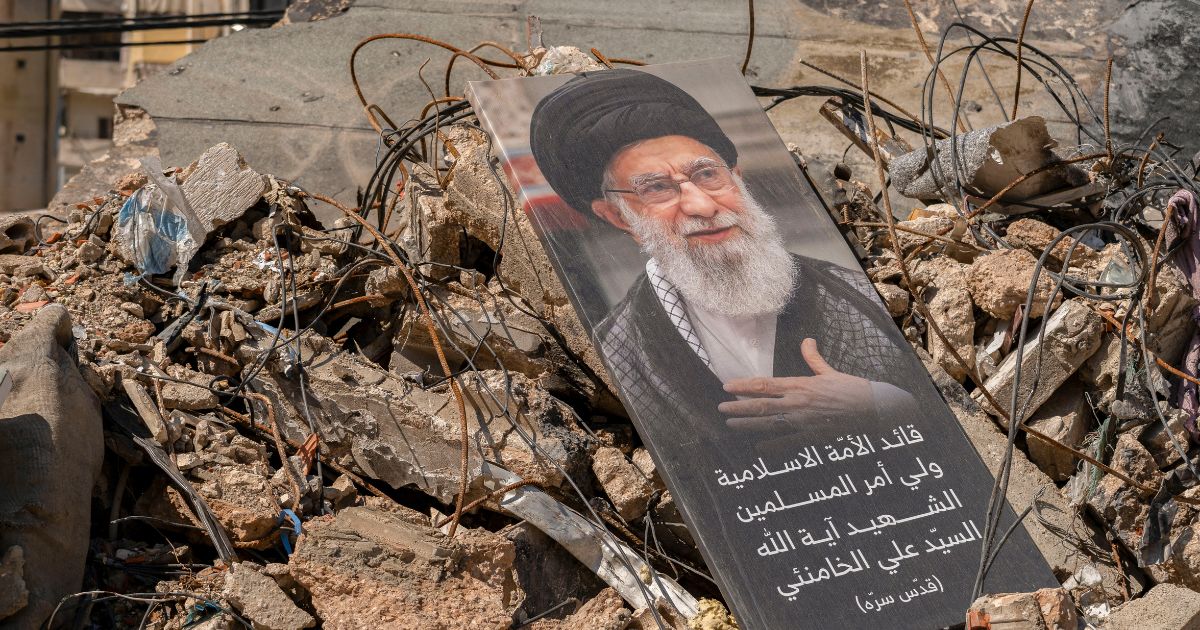
For months, the geopolitical friction defining the Middle East has focused on a high-stakes duel between Israel, the United States, and Iran. However, a new and volatile front has quietly opened. According to a bombshell report from The Wall Street Journal, the United Arab Emirates has stepped out from the diplomatic shadows to launch direct military strikes against Iranian soil, marking a massive escalation in the regional power struggle.
While the UAE has long been a strategic partner in Western-led coalitions, these latest revelations suggest the federation is no longer content with a secondary role. Citing sources familiar with the matter, the report details a clandestine campaign aimed at crippling Iranian infrastructure, most notably a precision strike early last month targeting a critical refinery on Lavan Island in the Persian Gulf.
Breaking: The U.A.E. has been secretly carrying out attacks on Iran https://t.co/f5xubUJXi5
— The Wall Street Journal (@WSJ) May 11, 2026
A Striking Duality: Ceasefires and Combat
The timing of the Lavan Island operation underscores a jarring disconnect between public diplomacy and military reality. The strike reportedly took place even as President Donald Trump was announcing a ceasefire, suggesting that while the West signaled a pause, regional actors were accelerating their own agendas.
The fallout was immediate and kinetic:
-
Iranian Retaliation: Tehran responded to the breach of its sovereignty by launching counter-strikes against both the UAE and Kuwait.
-
The Drone War: Data reveals a staggering lopsidedness in the conflict’s intensity. Iran has targeted the UAE with more than 2,800 missile and drone attacks, a volume that significantly outpaces strikes directed at Israel or any other regional adversary.
Washington’s Silent Approval
Despite the risk of a wider conflagration, the White House appears to be viewing the UAE’s assertiveness through a lens of strategic benefit. Sources told the Journal that the United States has “quietly welcomed” the initiative taken by the UAE and other Gulf states to directly challenge Iranian hegemony.
Official channels, however, remain characteristically tight-lipped. The Pentagon declined to comment on the specifics of the report. Similarly, the UAE’s Ministry of Foreign Affairs avoided a direct admission of the strikes, though it pointedly referenced prior statements affirming the nation’s “right to react militarily against hostile actions.”
The Sectarian and Strategic Divide
The shift from proxy skirmishes to direct state-on-state violence brings the long-simmering tension between the Sunni-led UAE and the Shia-led Iranian regime to a boiling point. This isn’t just about territory; it’s a collision of foundational ideologies and regional influence.
“It is significant to have a Gulf Arab country as a warring party that struck Iran directly,” noted Dina Esfandiary, a prominent Middle East analyst.
The implications for regional unity are dire. Esfandiary warns that this direct involvement provides Tehran with a strategic opening: “Tehran will now aim to further drive a wedge between the UAE and other Gulf Arabs who are trying to mediate an end to the war.”
As the “quiet” phase of this conflict evaporates, the Middle East finds itself in uncharted territory. With the UAE now an overt warring party, the thin veneer of regional mediation is under its greatest pressure in decades, transforming a localized conflict into a sprawling, multi-state war.