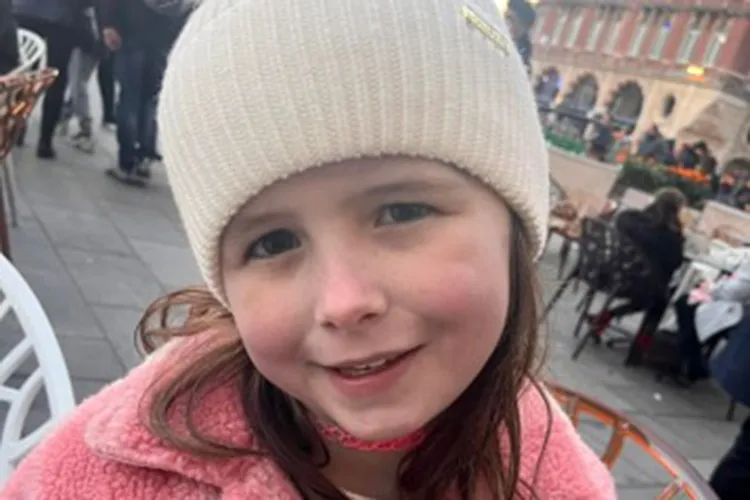
For Marie Fellows, a schoolteacher from the English heartlands, the summer of 2024 was supposed to be a cinematic celebration of two decades of marriage. Instead, it became the prologue to an unimaginable tragedy.
In a searingly honest account shared with the charity Leukaemia U.K., Marie has opened up about the sudden, devastating loss of her 10-year-old daughter, Larissa. What began as a dream family odyssey across the United States ended with a child’s death from a disease that gave her parents no warning and even less time to fight back.
The Dream That Dissolved
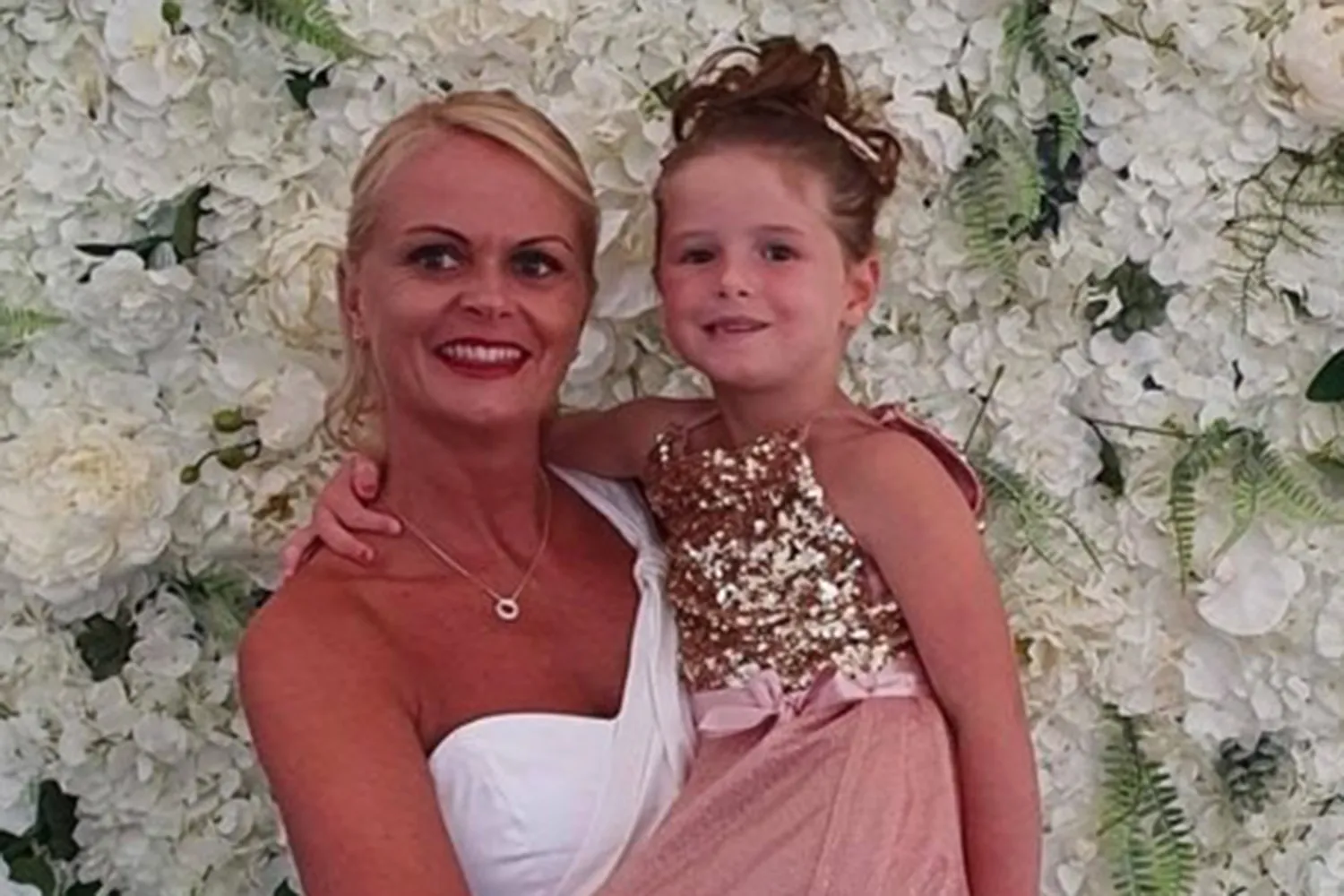
The itinerary was a parent’s gift to their children: a grand tour of California and New York, culminating in a Caribbean cruise. The centerpiece was to be a vow renewal in the emerald expanse of Central Park. For Larissa, a vibrant fifth-grader, the trip carried a personal mission—she had long “dreamed” of serving as a bridesmaid for her parents, Dave and Marie.
The Fellows family, including sons Zane and Jaxon, departed the U.K. on August 3. The first hint of trouble arrived just twenty-four hours later, following a visit to a theme park. Larissa felt unwell, but in the context of international travel and adrenaline-pumping rides, the symptoms were easily dismissed as routine motion sickness.
By August 13, the fatigue deepened. “The next sign came when Larissa developed a headache and was sleeping most of the time,” Marie recalled. A local physician attributed the lethargy to the grueling trifecta of travel: the sweltering heat, a shift in diet, and a disrupted routine. Her iron levels were normal; the headache eventually receded.
A Turn for the Worse at Sea
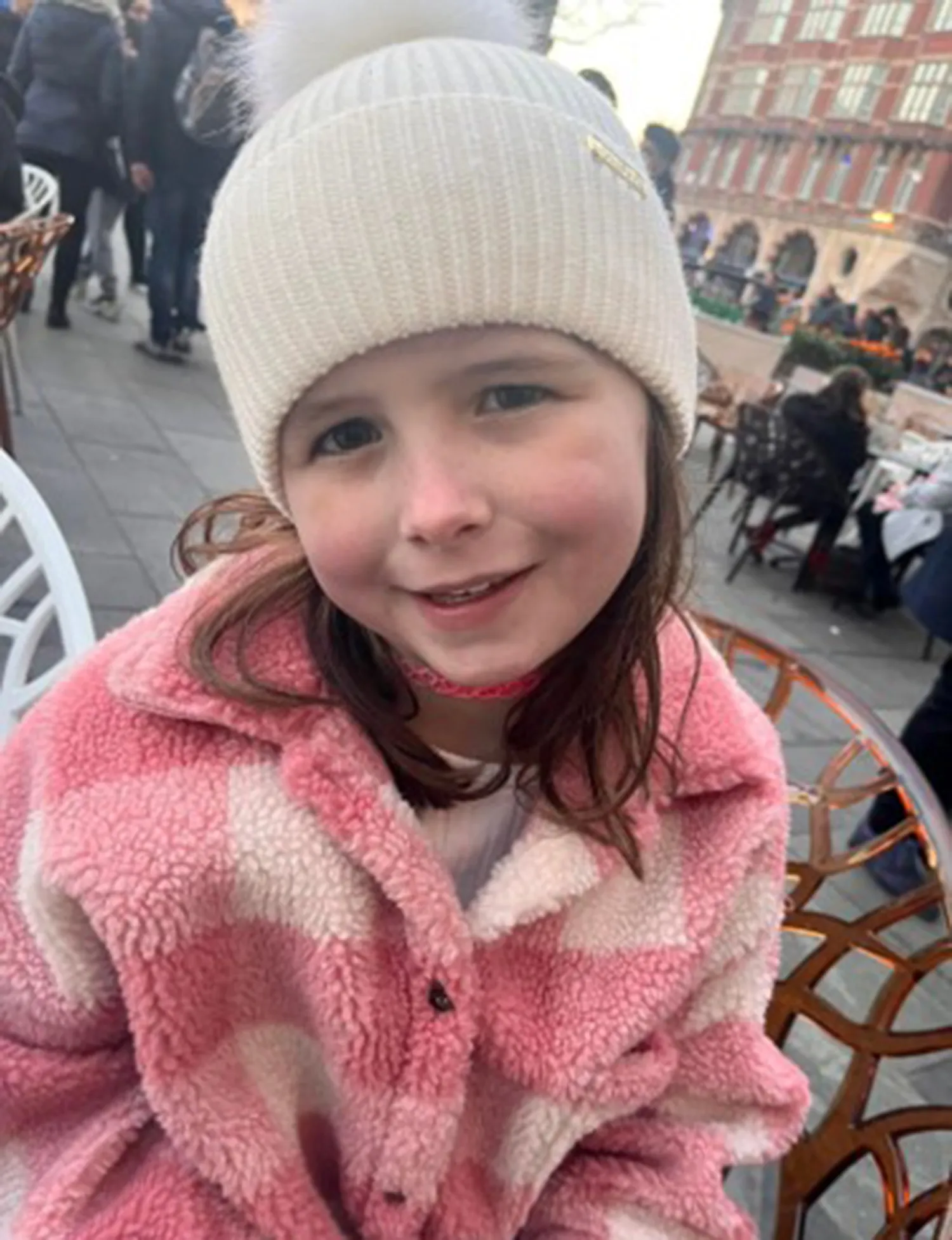
Believing the worst was behind them, the family and their close friends boarded their cruise ship in New York City. The vastness of the Atlantic, however, offered no sanctuary. When Larissa’s malaise returned, the ship’s doctor prescribed seasickness tablets.
The decline was subtle, then sudden. Following a beach club excursion, the 10-year-old complained of aching legs. “The last photo I have shows her lying on a sunbed in the pool, sipping a mocktail and smiling,” Marie told the charity. “On the walk back, her legs hurt.”
That evening, Larissa refused dinner, her condition visibly spiraling. When the family attempted to visit the ship’s medical center, they found it closed for the night. Desperate and sensing a mother’s intuition, Marie offered to call the emergency line, but Larissa, ever the stoic, begged her mother not to make a scene. Marie settled her into bed, noted a rising fever, and administered Calpol—a common U.K. pediatric analgesic—setting her own alarm for 2 a.m. to follow up with ibuprofen.
The dawn brought a nightmare.
“At 6 a.m., I was jolted awake by Larissa kicking me in the back,” Marie shared. “Looking back, I realize she was probably having a seizure.” The girl was disoriented, her speech slurred and nonsensical. She spoke as if intoxicated, claiming her father looked like a duck and requesting the Peppa Pig theme song—a childhood favorite she had long outgrown.
The situation turned critical when Larissa tried to stand. “She said she needed the toilet, but as soon as her foot touched the floor she screamed in agony and collapsed,” Marie said. The family rushed her to the ship’s medical bay.
The Diagnosis That Came Too Late
Initially, shipboard medics suspected a urinary tract infection or perhaps meningitis, administering fluids and conducting blood tests. When Larissa woke from a brief sleep, her behavior had regressed to a “childlike” state, as if she were moving backward through the developmental milestones of her life.
Concerned doctors shifted their suspicion to a brain tumor. As her condition became unstable, Larissa was placed into an induced coma and medically evacuated to Bellevue Hospital in New York City.
The end came with the piercing ring of hospital alarms. While undergoing a CT scan, Larissa’s heart stopped. Though she was resuscitated, the scan revealed the ultimate tragedy: there was no remaining brain activity. On August 28, 2024, surrounded by the family that had crossed an ocean to celebrate life, Larissa died.
“One word—heartbreaking,” Marie said, describing the final goodbye. “This word is used by so many, but no one actually feels the pain of their heart actually breaking into a million pieces until you lose a child.”
In a daze of grief, Marie and Dave left the hospital without a clear answer. They canceled their vow renewal, choosing instead to lay flowers in Central Park at the spot where Larissa was supposed to have stood as a bridesmaid. It wasn’t until October, nearly two months later, that the autopsy results delivered a “complete shock”: Larissa had succumbed to leukemia.

A Life Lived in Color
The medical reality of leukemia is often a slow burn of symptoms—bone pain, persistent fatigue, easy bruising, or recurrent infections. Yet, Marie insists that Larissa was the picture of health until sixteen days before her passing. Only days before leaving the U.K., the girl had won a National Wakeboarding competition in her age category.
Marie remembers her daughter as a “one-of-a-kind” force of nature. “Larissa was so much fun—she literally loved life and everything about it,” she said. Larissa was a child of the outdoors, a creative spirit who refused to throw anything away, convinced she could craft a masterpiece out of discarded items. As the youngest of three, she was known for bossing around her older brothers and punctuating family life with “silly jokes.”
The Legacy of “One Life, Live It”
In the wake of the tragedy, a dream provided Marie with a sense of purpose. She envisioned herself in a hospital, holding Larissa and screaming for help, only for her daughter to turn to her and say, “Oh no, Mom, it’s too late for me—but you need to do what you can to help other people.”
That ethereal mandate birthed the Larissa Foundation. Dedicated to raising both funds and awareness for leukemia, the organization has already generated over $90,000. It operates under Larissa’s personal mantra: “One Life, Live It.”
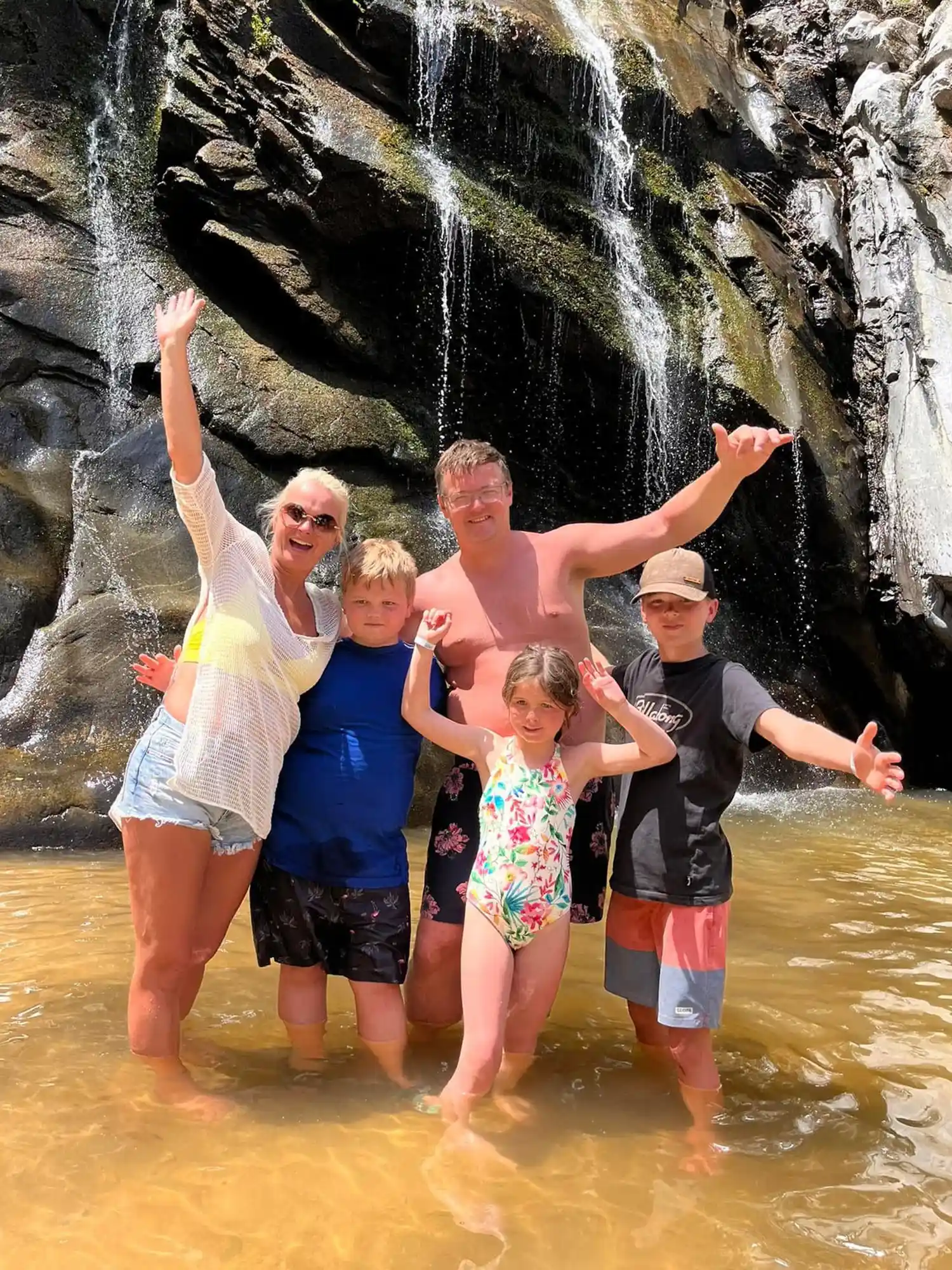
Today, nearly 20 months since that fateful summer, the Fellows family is navigating a new normal. “We carry a cloud every day, but there are more often glimpses of sunshine,” Marie says. Supported by a tight-knit circle of friends, the family is back at work and school, with the eldest son currently preparing for his GCSEs.
They speak of Larissa every day, ensuring that the girl who dreamed of being a bridesmaid remains an indelible, guiding part of the family she loved.
If you or a loved one are concerned about the symptoms of leukemia—such as persistent fatigue, unexplained bruising, or bone pain—consult a medical professional immediately. Early detection remains the most critical factor in treatment.