Former President Donald Trump’s sweeping pardon of most individuals involved in the January 6 Capitol riot has reignited fierce political and legal debates. The executive order, which grants clemency to roughly 1,600 people, has drawn sharp condemnation from Democratic leaders and legal experts, while earning strong praise from Trump’s base. The move thrusts one of the most polarizing events in recent American history back into the national spotlight.
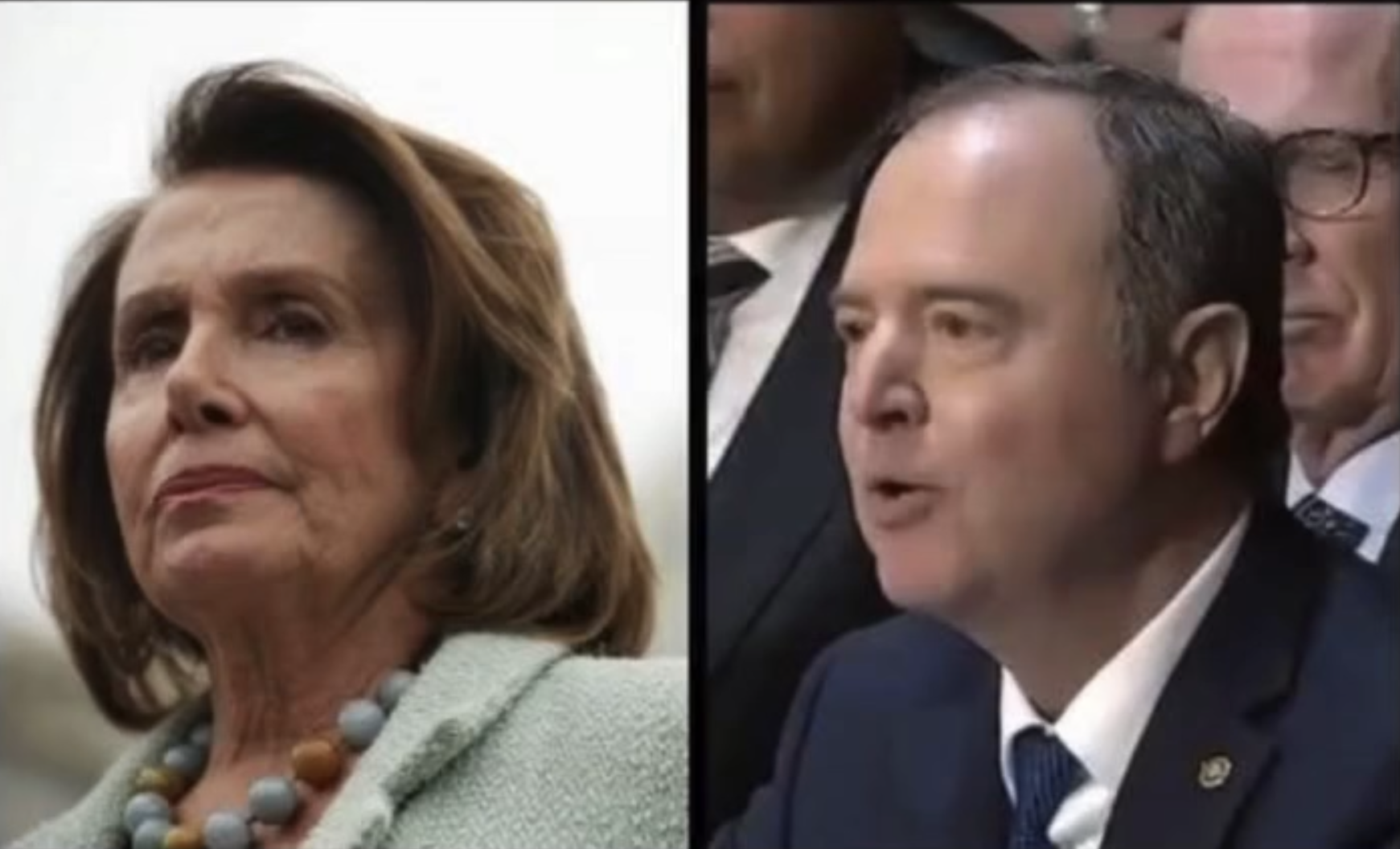
Democratic leaders swiftly denounced the decision, arguing it sets a dangerous precedent and undermines the rule of law. Senate Majority Leader Adam Schiff blasted the action as a “grotesque abuse of power,” warning it legitimizes political violence. He stressed that many of those pardoned had committed violent acts, including assaults on law enforcement officers defending the Capitol. Schiff’s remarks reflect the frustration of lawmakers who have worked to hold rioters accountable.
Former House Speaker Nancy Pelosi echoed those concerns, calling the mass pardon a betrayal of the law enforcement officers and public servants who risked their lives that day. “This decision sends a chilling message,” she said. “It tells future extremists they can violently attack our institutions and face no meaningful consequences.” Pelosi, a long-time critic of Trump, has consistently emphasized the severity of the January 6 assault, and her statement underscores growing fears about the normalization of anti-democratic behavior.
Other Democratic lawmakers also expressed alarm, warning the pardons could erode public trust in the justice system. Many see the order as yet another instance of Trump putting his personal and political interests above the nation’s core democratic principles. Legal analysts have also raised red flags, cautioning that this unprecedented action may shape how future administrations handle politically sensitive prosecutions.
Despite the backlash, Trump’s supporters have enthusiastically welcomed the mass pardon. To many on the right, it represents a long-overdue correction to what they view as a politically motivated crackdown. Conservative commentators argue that the justice system unfairly targeted individuals whose actions, in their view, amounted to protest rather than insurrection. They maintain that the prosecutions were less about justice and more about silencing dissent.