The rhythmic lap of the Pacific against Front Street’s sun-drenched shoreline is usually a soundtrack of serenity. However, a recent and deeply unsettling confrontation has shattered that peace, sparking a firestorm of controversy that has leaped from the sands of Maui to the global digital stage.
At the heart of the furor is an alleged act of aggression against one of Hawaii’s most vulnerable residents: an endangered Hawaiian monk seal affectionately known to locals as “Lani.”
The Incident: A Line Crossed
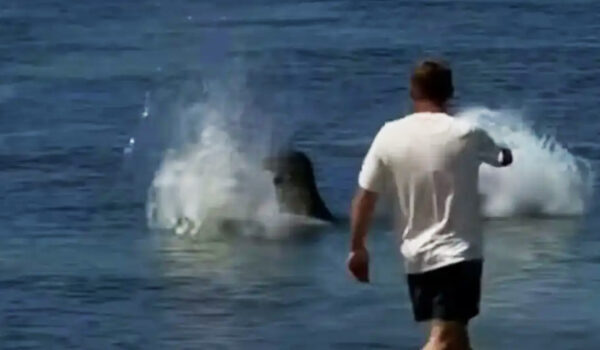
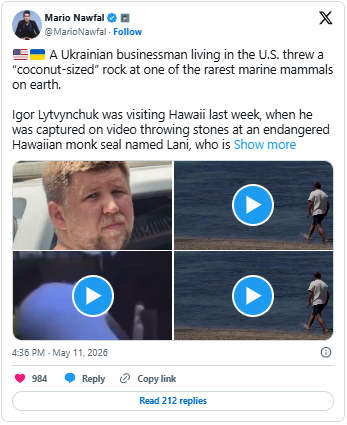
Eyewitness accounts and surfacing media reports paint a troubling picture of the afternoon. A visitor, identified as a tourist hailing from Seattle, reportedly bypassed the unspoken—and often spoken—boundaries of wildlife etiquette. Despite vocal warnings from protective bystanders, the man allegedly shadowed the resting seal, encroaching on her space before purportedly hurling a rock, described by one resident as “the size of a coconut,” toward the animal.
Lani, a staple of the Lahaina coastline, has long been a symbol of resilience for the community. Seeing her space violated sparked immediate, visceral reactions. Video footage captured the moment the atmosphere shifted from beachside leisure to collective disbelief, as onlookers began to challenge the man’s blatant disregard for the animal’s safety.
A Species on the Brink
To the uninitiated, Lani is a marvel of nature; to the law, she is a protected ward of the state. The Hawaiian monk seal is among the most endangered marine mammals on the planet. Their survival hangs by a thread, woven into the protections of:
-
The Endangered Species Act
-
The Marine Mammal Protection Act
Federal agencies like NOAA Fisheries have spent decades hammering home a singular message: Give them space. In a world where environmental threats are mounting, human interference can be the tipping point toward extinction. In Hawaii, “disturbing” a monk seal isn’t just a social faux pas—it’s a federal offense.
Escalation and the “Viral” Vigilante
As the gravity of the tourist’s alleged actions set in, the emotional temperature on the beach reached a boiling point. The tension ultimately fractured into a physical altercation between a local resident and the visitor.
Captured on smartphone cameras and disseminated across social media, the footage has become a Rorschach test for public opinion. The digital divide is stark:
-
The Conservationists: Outraged by the perceived assault on a defenseless, endangered animal, calling for the strictest possible legal retributions.
-
The Pacifists: While condemning the treatment of the seal, they argue that vigilante justice and physical violence are never the solution, regardless of the provocation.
The incident has since metamorphosed into a larger cultural debate regarding “tourist entitlement” and the weight of responsibility that comes with visiting a delicate ecosystem.
The Official Response: Law and Legacy
Maui officials and community leaders have stepped into the fray to remind the public that Hawaii’s natural beauty is not a playground without rules.
“Wildlife like our monk seals are deeply woven into the ecological and cultural fabric of these islands,” one community representative noted. “To respect the seal is to respect Hawaii itself.”
The Department of Land and Natural Resources (DLNR) confirmed that the individual from Seattle has been identified and questioned. While the case has been referred for federal review under marine protection statutes, authorities have clarified that no criminal charges have been filed as the investigation remains active.
More Than Just an Animal
For the people of Lahaina, Lani represents continuity. In the wake of recent environmental and natural upheavals in the region, her presence on the shore is a living symbol of recovery. She isn’t just “wildlife”; she is a neighbor.
As the legal gears turn, the conversation she inadvertently started continues to grow. Local leaders are using this flashpoint to advocate for a more “mindful” brand of tourism—one rooted in stewardship rather than just consumption.
The ripples of that thrown rock are still spreading, leaving a permanent mark on the community and serving as a stark reminder: in the fragile ecosystems of Hawaii, your actions carry the weight of an entire species’ survival.