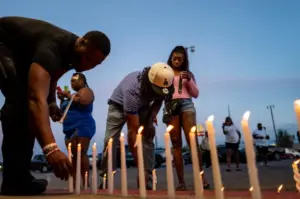
The humid Louisiana morning air carried a weight that had nothing to do with the weather. Outside the Summer Grove Baptist Church, a sight unfolded that no journalist ever wants to cover, and no community should ever have to endure: a silent, agonizing procession of eight hearses, arriving in a slow, devastating line.
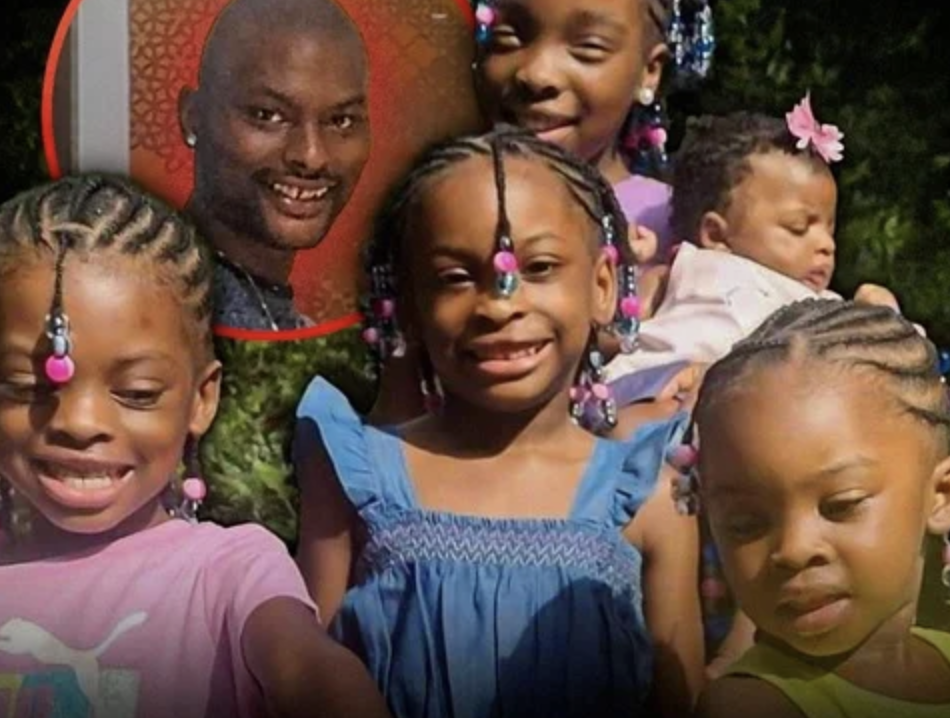
Inside those vehicles were the earthly remains of Jayla Elkins, Shayla Elkins, Kayla Pugh, Layla Pugh, Mar’Kaydon Pugh, Sariahh Snow, Khedarrion Snow, and Braylon Snow. Eight children. Eight bright, innocent lives extinguished in a rapid, violent chain of events that has left this city fractured by grief and a nation looking on in stunned disbelief.
Yet, as thousands of mourners filed into the sanctuary on May 9, 2026, the sea of people rejected the traditional, somber black of death. Instead, the pews blossomed into a vibrant canopy of pinks, purples, and blues. It was a deliberate, defiant choice by the families—a collective refusal to let the darkness that took their children define how they were remembered. This was not just a funeral; it was a fierce, loving celebration of childhood innocence.

A Sanctuary Filled with Crowns and Tears
Inside the church, the sheer scale of the loss became unbearably tangible. Eight pristine white caskets stood in a heartbreaking row, each adorned with floral arrangements and delicate, symbolic crowns. Surrounded by their favorite toys and glowing photographs, the frozen smiles of the children served as a painful contrast to the tear-stained faces of the community leaders, friends, and devastated family members who packed the sanctuary to its absolute capacity.
The atmosphere vibrated with a powerful mix of deep sorrow and defiant hope, anchored by the rich traditions of gospel music. Choir members and soloists poured their hearts into the room, their voices rising to the rafters. At various moments, the grief transformed into an electric energy as the congregation stood in unison, clapping through their tears—a communal uplift meant to carry the spirits of the little ones home.
Opening the service, Bishop Bernard Kimble did not shy away from the profound agony in the room. Addressing a congregation grappling with the unthinkable, he urged them to lean heavily on spiritual fortitude. In moments of deep pain and absolute confusion, Kimble reminded them, faith is not a luxury, but a lifeline.
Beyond the Tragedy: Remembering Who They Were
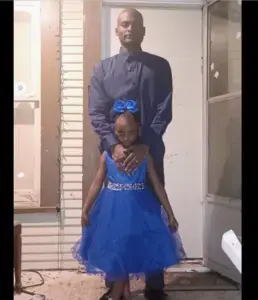
In a moving tribute to their individuality, the service systematically dismantled the anonymity that massive tragedies often inflict on victims. One by one, the children were honored not as a collective statistic, but as the distinct, vibrant individuals they were. Obituary programs were filled with affectionate nicknames and intimate details of their daily lives.
“We cannot let the way they died overshadow the beautiful way they lived,” echoed the sentiment from the pulpit.
The sanctuary learned of their boundless creativity, their infectious energy, and their vivid imaginations. Families shared stories of children who loved nothing more than dancing, recording videos, playing with their favorite toys, and the simple, chaotic joy of spending time with their siblings and cousins.
Local officials who took the podium spoke with trembling voices, acknowledging the inadequacy of words in the face of such a monumental catastrophe. They noted that while the families bear the heaviest cross, the entire city of Shreveport has been permanently altered by the loss. This grief, they said, belongs to everyone.
The ripples of the tragedy extended far beyond Caddo Parish. Across the state and the nation, flags were ordered to fly at half-staff—a rare, solemn tribute usually reserved for statesmen, now honoring eight children from northwest Louisiana.
This massive public funeral followed a more intimate, private viewing held the previous day. There, in the quiet company of those who knew them best, family members began the grueling process of saying goodbye, surrounded by tokens of the characters and hobbies that defined the children’s short lives.
Following the final benediction, a massive cortege made its way to the graveside. As the children were finally laid to rest, religious leaders offered closing prayers that focused entirely on the long, arduous road ahead: healing, strength, and an unbreakable community unity.
The Shadow of the Investigation
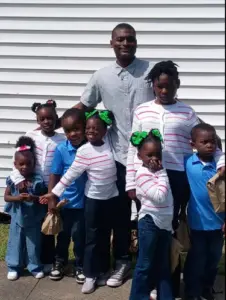
As Shreveport begins the slow process of mourning, the dark reality of what brought them to this point remains under a intense, microscopic lens. Authorities have described the underlying incident as a complex, deeply disturbing, and rapidly escalating multi-scene crime.
Law enforcement agencies are currently piecing together a meticulous timeline, analyzing the initial frantic emergency calls, the chaotic movements across various locations, and the final, violent confrontation that brought the nightmare to an end. Because the crime spanned multiple jurisdictions and scenes, the investigation has required an unprecedented level of inter-agency coordination.
Detectives are now looking backward, shifting their focus to the days and weeks leading up to the tragedy. They are combing through background files, past reports, and digital communications to identify any missed warning signs or prior red flags that might explain how such a devastating situation could escalate unnoticed.
A Call for Lasting Change
The public response to the revelation of these details has been an volatile mix of profound shock and mounting outrage. While the immediate focus remains on supporting the grieving families, the tragedy has ignited fierce, necessary conversations across Louisiana and the country.
Community advocates and citizens are leveraging their grief into a demand for systemic change. The tragedy has thrown a harsh spotlight on:
-
The critical need for robust mental health awareness and accessible resources.
-
More aggressive and proactive domestic conflict prevention strategies.
-
The implementation of stronger, early-intervention support systems for families experiencing severe crises.
Shreveport is a city profoundly changed, walking a tightrope between unimaginable trauma and an inspiring display of communal resilience. The investigations will eventually conclude, and the headlines will inevitably fade, but the names of these eight children are now permanently etched into the soul of this city. For the people of Shreveport, the path forward is clear, though incredibly difficult: a commitment to healing, an refusal to forget, and an unwavering circle of support around the families left behind in the wake of the storm.