While investigators have yet to officially identify the precise cause of the deadly midair collision, early indications from multiple sources point toward a potential breakdown in communication between air traffic control and the helicopter’s pilot in the critical moments before impact. Aviation safety experts caution that such preliminary assessments are not conclusive, but they underscore the possibility that misheard instructions, delayed transmissions, or unclear handoffs between control sectors could have contributed to the chain of events.
Teams from the National Transportation Safety Board (NTSB) and the Federal Aviation Administration (FAA) are now working in tandem, meticulously reviewing every available piece of evidence. That includes hours of air traffic control audio recordings, detailed radar tracking data, and the helicopter’s and fixed-wing aircraft’s flight data and cockpit voice recorders—commonly known as “black boxes.” These devices, hardened to withstand catastrophic impacts, will allow investigators to reconstruct not just the mechanical performance of each aircraft, but also the precise sequence of words, tone, and urgency in the exchanges between pilots and controllers.
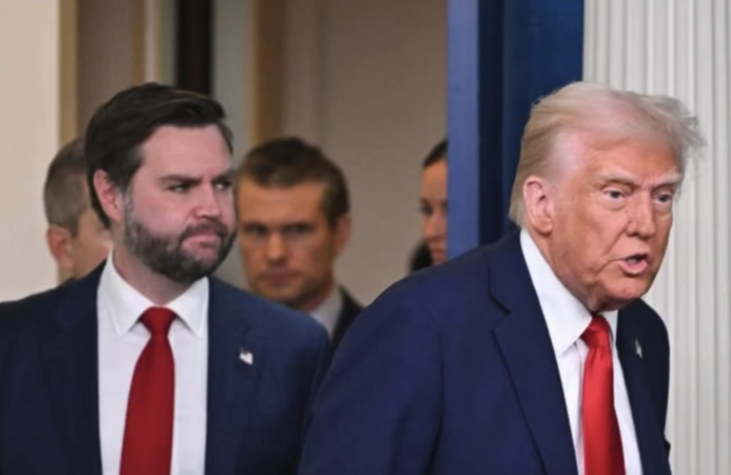
In a statement delivered from the White House briefing room, President Donald Trump devoted a portion of his remarks to the victims themselves. His tone shifted from the procedural to the personal as he described the human toll behind the headlines: mothers and fathers, colleagues traveling for work, and, poignantly, a young athlete who had recently reached a pivotal milestone in her sporting career. “Their dreams, their futures were cut short,” Trump said, pausing briefly as if to let the weight of the loss settle over the room. “We cannot measure what was lost yesterday, but we can honor it.”
The president’s address concluded with a call for unity in a moment of shared grief, urging Americans to put aside divisions and come together in support of the families left behind. “We mourn together, we grieve together, and we will remember together,” he said, his voice carrying a rare note of solemnity. He appealed for acts of kindness, large and small, and for communities to find ways to memorialize those who perished.
Across the United States, flags have been lowered to half-staff in tribute—a quiet but powerful symbol of collective mourning. In towns large and small, from bustling cities to rural airfields, moments of silence are being observed. Friends, relatives, and strangers alike are gathering in candlelight vigils, their faces lit by flickering flames as they share stories, prayers, and songs in honor of those lost.
For now, the nation waits—some with patience, others with restless anxiety—as investigators work through a painstaking process to determine exactly what went wrong in the skies above Washington, D.C. Each recovered data point, each reconstructed second of the flight, brings them closer to answering the questions that haunt the families and captivate the country: How could such a collision happen? And what must be done to ensure it never happens again?