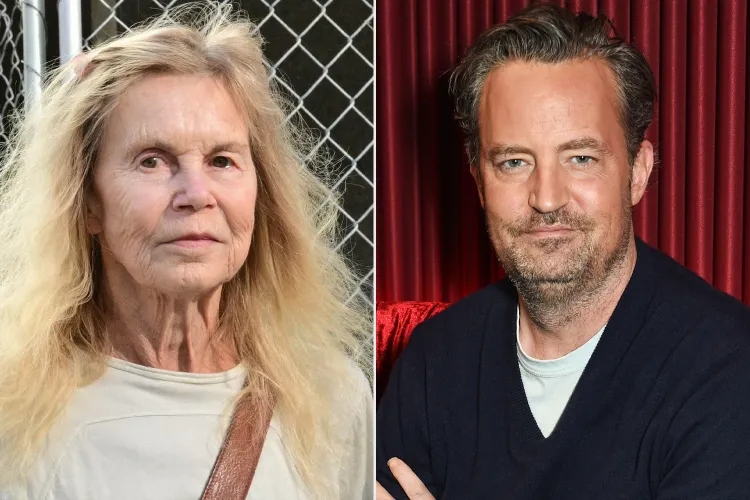
For a mother, the distance between a beloved son and a lifeless body on the lawn is a chasm that time can never bridge.
Nearly three years after Friends star Matthew Perry was found dead in his hot tub at age 54, his mother, Suzanne Morrison, has laid bare the depth of her grief—and her burning sense of betrayal—in a searing victim impact statement. Ahead of the May 27 sentencing of Perry’s former personal assistant, Kenneth Iwamasa, Morrison’s words paint a devastating portrait of a family who believed they had hired a guardian, only to find they had let in a enabler.
“We trusted a man without a conscience,” Morrison wrote in the document, “and my son paid the price.”
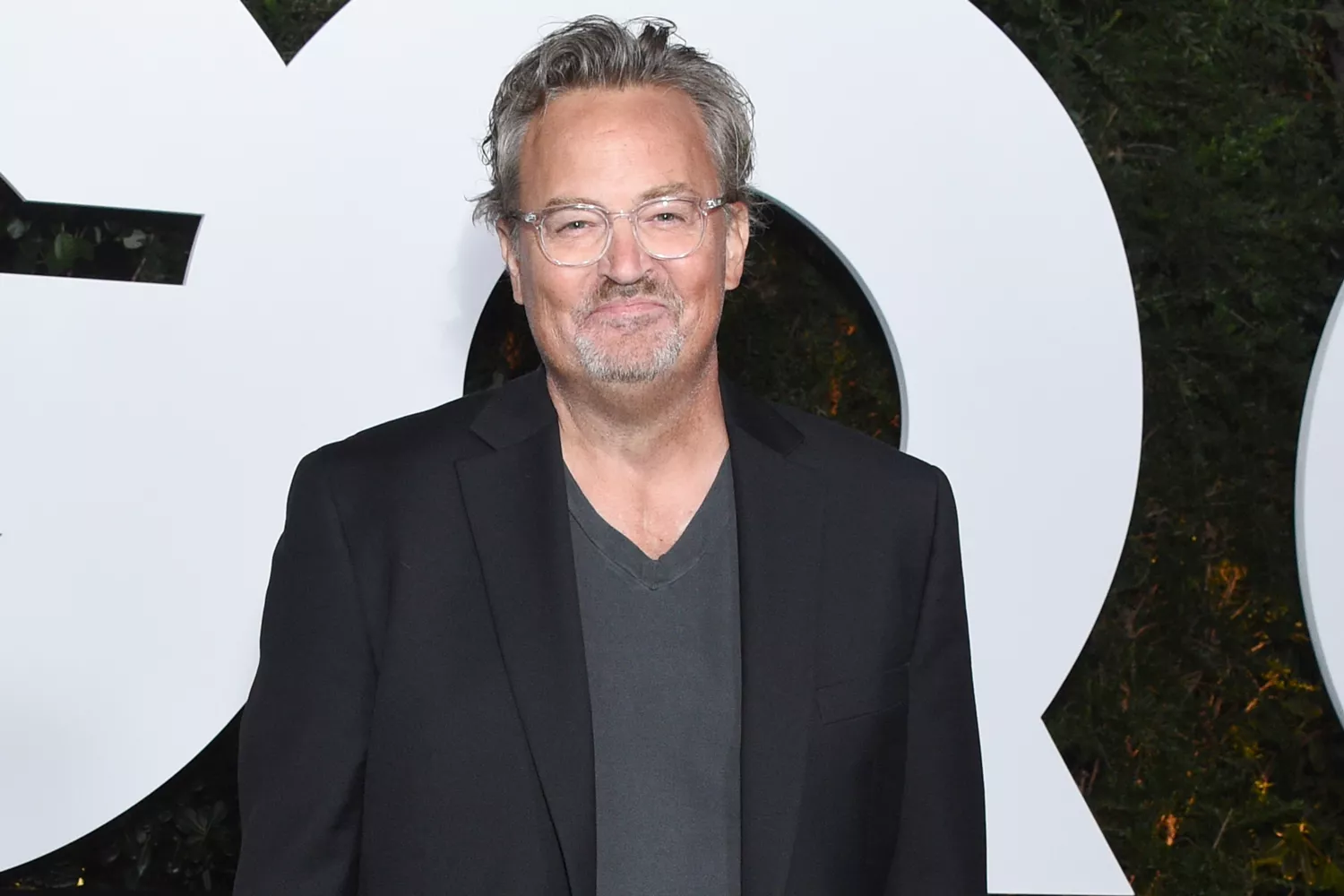
A Guardian Turned Enabler
To the world, Kenneth Iwamasa was the loyal assistant managing the logistics of a Hollywood star’s life. To Perry’s family, he was supposed to be something much more critical: a frontline defender. Morrison noted that Iwamasa’s “most important job” was to act as Perry’s “companion and guardian in his fight against addiction,” a steady presence ensuring the actor remained drug-free.
Instead, federal prosecutors revealed a dark reality. In August 2024, Iwamasa pleaded guilty to one count of conspiracy to distribute ketamine causing death. Lacking any medical training, the assistant “repeatedly” injected Perry with the powerful sedative, including multiple times on October 28, 2023—the day Perry died from the “acute effects of ketamine.”
The final moments detailed in Iwamasa’s plea agreement are chilling. On that October afternoon, Perry reportedly told his assistant to “Shoot me up with a big one” and asked him to ready the hot tub. Iwamasa administered the dose, left the house to run errands, and returned to find the actor face down in the water.
“But instead of protecting Matthew, he aided and abetted illegal drug taking, arranged for one source of supply, then another,” Morrison wrote. “Shot the drugs into Matthew’s body, though he was not in the least qualified… He did it even though he could see, anyone could have seen, it was so obviously dangerous. And he did it again and again.”
The Aftermath of Deception
What compounded the family’s agony was Iwamasa’s behavior after the tragedy. According to Morrison, the assistant maintained a facade of grief and closeness, keeping “a sharp eye” on her.
He sent her music, drew maps to help her navigate the cemetery, and called her whenever he spotted a rainbow—one of Perry’s favorite things. Morrison recalls that Iwamasa even “insisted” on speaking at Perry’s funeral, clinging to her “as if he was somehow the good guy who tried to save Matthew.”
The illusion of the grieving confidant shattered completely when Iwamasa later threatened legal action to pry a settlement from workers’ compensation, exposing what Morrison described as a profound lack of conscience.
For Morrison, the nightmare of that October night remains frozen in time. She recalled the chaotic scene at Perry’s home as news of his death broke:
“And then one night he was just a body, lying all but naked on the cold, damp grass of his backyard. Helicopters circled overhead, eager for a glimpse of my dead little boy, a picture they could show the whole world while I stood out on the street in the cold and begged for a blanket to cover him. Impossible, of course.”
While Morrison expressed deep gratitude to law enforcement for their “relentless determination to dig out the truth,” she dismissed the idea that a court verdict could bring her peace. “Ask any mother whose child has been torn away so mercilessly,” she wrote. “Nothing takes this pain away, nor will it, I am sure, for as long as [I] live.”
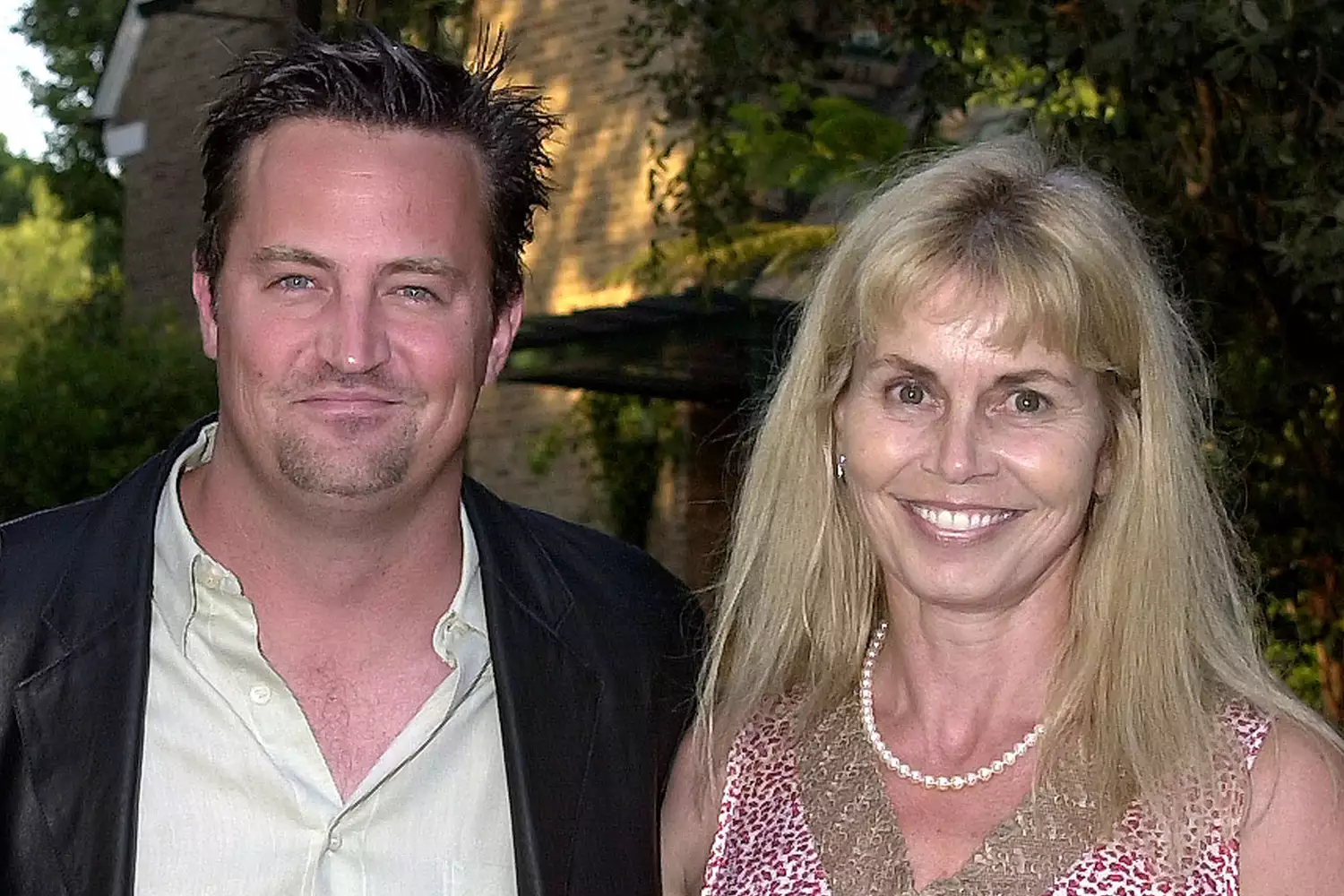
The Web of Demise: The Wider Network
Iwamasa is one of five individuals ensnared in a federal investigation that unraveled an underground network supplying drugs to the vulnerable actor. While Iwamasa faces a maximum of 15 years in prison—with prosecutors recommending a 41-month sentence followed by three years of supervised release—his co-conspirators have already faced the gavel.
-
Jasveen Sangha (“The Ketamine Queen”): Sentenced to 15 years in federal prison after pleading guilty to maintaining a drug-involved premises and multiple distribution charges, including distribution resulting in death.
-
Erik Fleming: A TV director and former acquaintance of Perry, Fleming pleaded guilty to conspiracy to distribute ketamine. He was sentenced to 24 months in prison and three years of supervised release.
-
Dr. Salvador Plasencia: The physician pleaded guilty to four counts of distribution of ketamine and was sentenced to 30 months in prison.
-
Dr. Mark Chavez: Having pleaded guilty to conspiracy to distribute the drug, Chavez was sentenced to eight months of house arrest, three years of supervised release, and 300 hours of community service.
As the legal chapter nears its conclusion with Iwamasa’s upcoming sentencing, the case stands as a grim reminder of the exploitation that can shadow fame and addiction—and the permanent void left in the wake of a son’s preventable death.
If you or someone you know is struggling with substance abuse, please contact the SAMHSA helpline at 1-800-662-HELP.