When I was part of the White House press corps, one thing became painfully clear: many reporters felt it was inappropriate to recite the Pledge of Allegiance alongside fellow Americans on White House grounds. Why? They feared it might compromise their “neutrality.” But that posture wasn’t neutrality—it was a refusal to express even basic gratitude for a country that protects their freedom to report, criticize, and publish without fear. That isn’t just a lack of patriotism; it’s a lack of appreciation.
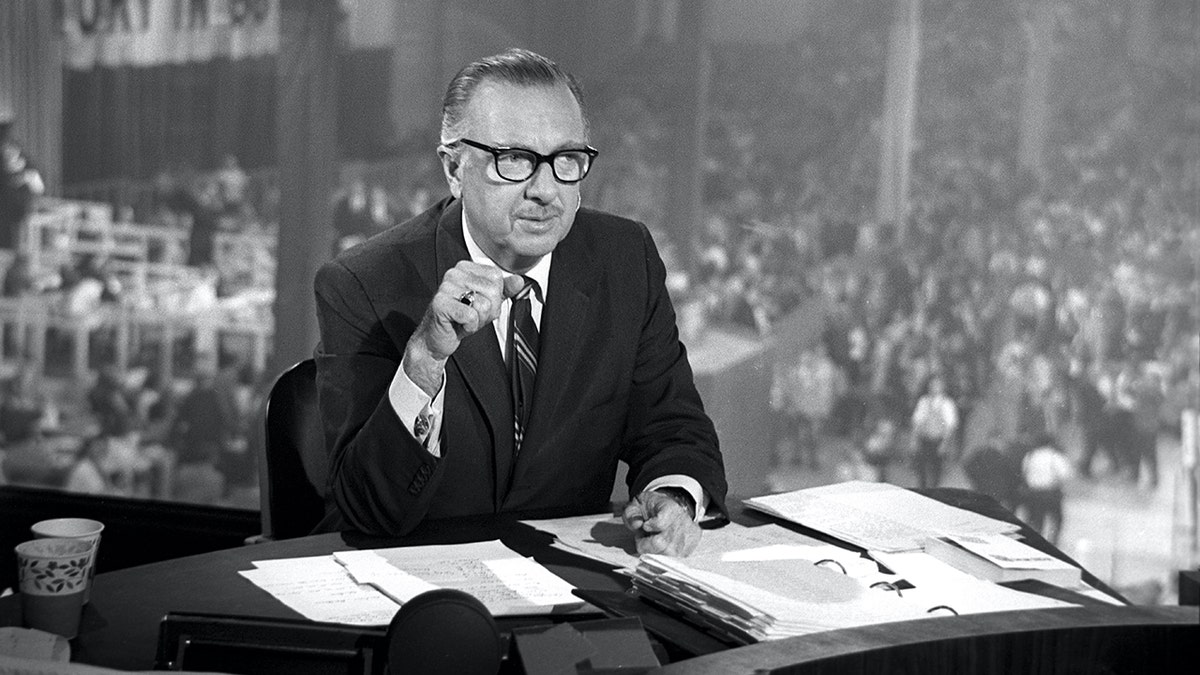
This discomfort with national pride among mainstream media didn’t start yesterday. It came into sharp relief during the Vietnam War, when many journalists pivoted from reporting facts to shaping opinion. The most iconic example? CBS anchor Walter Cronkite telling the nation in 1968 that the U.S. had effectively lost the war and should negotiate its way out. Cronkite was long praised for objectivity, but his words carried political weight, and politicians knew it. Influence over the public became more important than loyalty to the nation.
Today, journalism often positions itself as above patriotism. Many journalists scoff at patriotism as “my country, right or wrong,” and prefer to see themselves as morally superior—always in the right, always detached. They associate displays of national pride with blind allegiance or militarism, rather than a shared respect for American ideals.
This deep-seated skepticism was on full display during a 1989 PBS ethics panel hosted by Charles Ogletree. In a hypothetical scenario, American troops were about to be ambushed by an enemy force. CBS’s Mike Wallace was asked whether a journalist has a duty to warn U.S. soldiers. He responded without hesitation: “No. You’re a reporter.” ABC’s Peter Jennings, at first conflicted, eventually agreed. Patriotism, it seemed, had no place in their journalistic code.
In 1990, Jennings again raised eyebrows, describing U.S. involvement in Cambodia by saying, “Cambodia is on the edge of hell again”—with America at the center of the criticism.
Even the horror of 9/11 couldn’t fully unite the media. Less than a week after the attack, ABC’s Politically Incorrect host Bill Maher compared the terrorists to American pilots, calling the suicide attackers “not cowardly” while labeling U.S. missile strikes as cowardly. The message? America deserved scrutiny more than support.
That same month, CBS producer Dick Meyer confessed discomfort with flying the American flag. His wife, he said, viewed the flag as “aggressive,” tainted by memories of anti-war backlash. Apparently, to them, waving the flag was more offensive than burning it.
PBS host Bill Moyers shared this sentiment. He once ranted that the flag had become a “trademark of a monopoly on patriotism” and compared lapel flag pins to Mao’s Little Red Book. Years later, Moyers doubled down, calling the Pledge of Allegiance “a whopper of a lie,” claiming it served only to sugarcoat hypocrisy.
This mindset extended beyond elite media circles. On The View in 2007, Rosie O’Donnell famously said, “Who are the terrorists?” while citing the deaths of Iraqi civilians. By her logic, the U.S.—not al-Qaeda—was the real villain.
In 2021, the show defended Olympian Gwen Berry when she turned her back during the national anthem. Whoopi Goldberg excused the gesture by pointing to the anthem’s “tough” lyrics—implying the song itself was inherently offensive.
Of course, in America, journalists are free to criticize their country. But they can’t expect Americans to blindly trust institutions that seem openly resentful of national pride, unity, and the very freedoms they benefit from.
There’s nothing wrong with asking hard questions or holding power accountable. That’s journalism. But sneering at patriotism—treating the flag, the anthem, or the Pledge as embarrassments—only deepens the growing divide between the press and the public.
Americans don’t demand blind loyalty. But they expect, at the very least, respect.
— Tim Graham is Executive Editor of NewsBusters.org and co-author with Brent Bozell of “Unmasked: Big Media’s War Against Trump.”