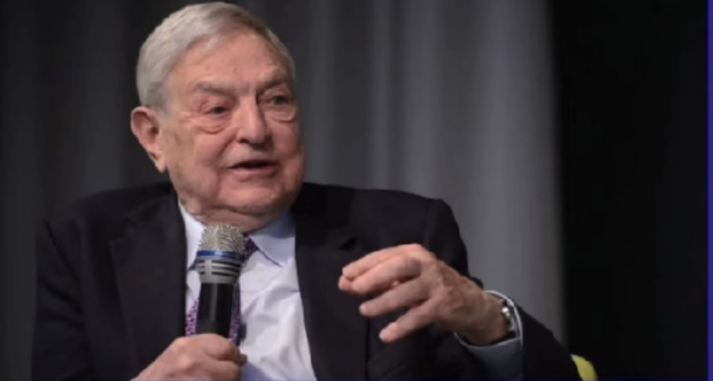
New Claims Surface Linking George Soros to Trump–Russia Probe via Discovered FBI Documents
Allegations have emerged this week suggesting a connection between billionaire philanthropist George Soros and the early stages of the Trump–Russia investigation, following the reported discovery of sensitive materials marked for destruction inside a secure FBI facility.
The claims center around so-called “burn bags” found in a sensitive compartmented information facility (SCIF) deep within FBI headquarters. According to sources close to the investigation, the bags contained classified documents, including a previously undisclosed appendix from Special Counsel John Durham’s report on the origins of the Trump–Russia probe.
CIA Director John Ratcliffe and FBI Director Kash Patel reportedly confirmed the discovery, noting that the materials had been stored in an off-limits room meant only for high-level intelligence briefings.
Durham Appendix Allegedly Links Soros-Backed Foundation to Russiagate Narrative
One of the documents in question is said to be a classified annex to Durham’s report, which U.S. Senate Judiciary Chair Chuck Grassley (R-IA) has described as evidence of “one of the biggest political scandals and cover-ups in American history.”
According to sources cited by Fox News, the appendix does not offer a definitive breakdown of intelligence-gathering techniques used against the Trump campaign. However, it allegedly details early efforts by Obama-era intelligence officials to build and disseminate a narrative linking Donald Trump to Russian election interference—before the FBI formally opened its “Crossfire Hurricane” investigation in July 2016.
Particularly explosive are claims that Soros’s Open Society Foundations (OSF) may have been linked to foreign sources involved in shaping elements of the Trump–Russia narrative. The documents allegedly describe how Russian hackers breached the email servers of OSF in 2016, exposing internal communications that played a role in the broader narrative surrounding Russian involvement in the U.S. election.
Leaked Emails Allegedly From OSF Point to Strategic Media Coordination
Among the materials reportedly recovered are internal OSF emails authored by Leonard Bernardo, then regional director for Eurasia. The emails—whose authenticity remains unconfirmed—are said to reveal discussions about coordinating information dissemination via FBI-affiliated cybersecurity firms like CrowdStrike and ThreatConnect, with the intent of influencing U.S. media coverage.
“During the first stage of the campaign, due to lack of direct evidence, it was decided to disseminate the necessary information through the FBI-affiliated…technical structures… in particular, the CrowdStrike and ThreatConnect companies,” Bernardo allegedly wrote.
In another message, Bernardo reportedly wrote:
“Julie [a Clinton campaign advisor] says it will be a long-term affair to demonize Putin and Trump. Now it is good for a post-convention bounce. Later the FBI will put more oil into the fire.”
Another excerpt attributed to Bernardo mentions:
“HRC approved Julie’s idea about Trump and Russian hackers hampering U.S. elections. This should distract people from her own missing email, especially if the affair goes to the Olympic level.”
According to the appendix, the strategy aimed to frame Russian interference not only as a foreign threat, but as a domestic issue with implications for election security—a move reportedly intended to pressure the U.S. intelligence community into escalating its investigation.
Crossfire Hurricane and the Timing of Alleged Coordination
Just days after the events described in the leaked communications, the FBI officially launched its Trump–Russia investigation—Crossfire Hurricane—on July 31, 2016.
If confirmed, the implications of these findings could be far-reaching, fueling ongoing claims that elements within the intelligence and political establishment sought to undermine the Trump campaign using unverified or politically motivated intelligence.
While the documents have not yet been independently verified, and the Soros organization has not responded to the new allegations, the story has already reignited controversy around the origins of the Russiagate saga—and the actors involved in shaping its narrative.
Caution and Context
It is important to note that George Soros and the Open Society Foundations have long been targets of partisan criticism and conspiracy theories. These latest claims, while sensational, remain unverified by independent outlets and have not been publicly addressed by Soros or the FBI.
As with all allegations involving classified materials, further investigation and official confirmation would be required before drawing definitive conclusions.