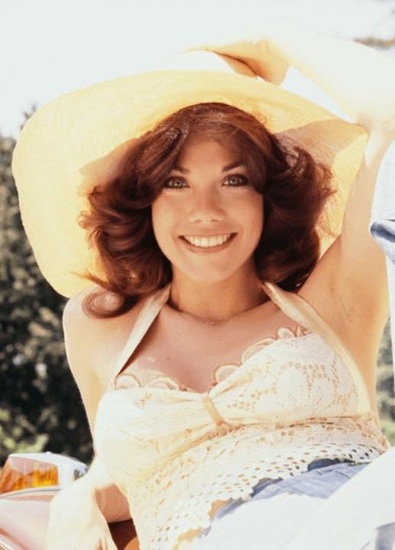
To understand the cultural tapestry of the 1970s is to inevitably encounter the luminous presence of Barbi Benton. Born Barbara Lynn Klein in the concrete heart of 1990s New York City and polished under the golden sun of California, Benton emerged as a definitive architect of her own celebrity. Long before the era of digital branding and social media influencers, she was masterfully navigating a career that blurred the lines between modeling, acting, and music, proving herself to be one of the most versatile—and underestimated—figures of her generation.
Benton’s ascent began with the sharp, confident gaze of a model who understood the power of the lens. This early exposure to the high-stakes world of fashion and promotion didn’t just make her a face; it gave her a voice. By the time she transitioned into the living rooms of America, she possessed a screen presence that felt both intimate and aspirational, a duality that would define the glamour and burgeoning independence of women in the “Me Decade.”
The Variety Queen and the Country Crossover
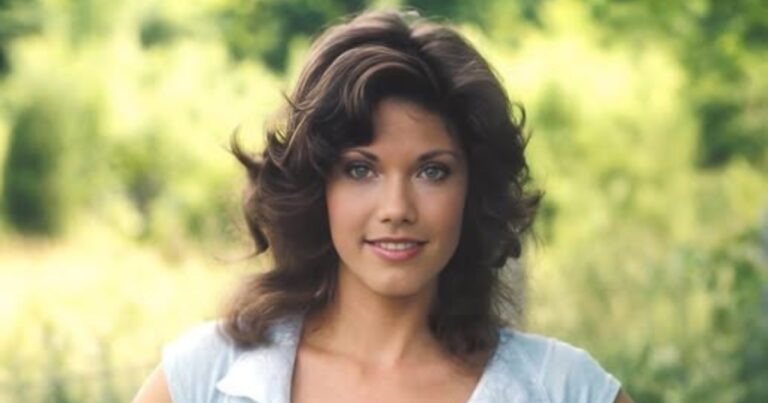
While her early orbit around the Playboy empire provided a launchpad of significant public attention, Benton was far from a static figurehead. She traded the glossy pages for the dusty, comedic charm of Hee Haw, a long-running staple of American television. On the country-themed variety show, Benton wasn’t just a guest; she was a revelation. Her sharp comedic timing and infectious charm allowed her to thrive in a format that demanded both beauty and a self-deprecating wit. In an era where starlets were frequently boxed into narrow archetypes, Benton maintained a fluid professional identity, pivoting from the runway to the sitcom stage with deceptive ease.
But the small screen couldn’t contain her creative restless. In the mid-70s, Benton stepped into the recording booth, carving out a niche in the country-pop crossover space. While some viewed television stars’ musical ventures with skepticism, Benton earned her keep on the charts. Her single “Brass Buckles” didn’t just land on the U.S. country charts; it became a bona fide hit, establishing her as a legitimate recording artist with a penchant for the era’s “outlaw-lite” sensibilities. It was a period of high-velocity experimentation, reflecting a wider trend of multifaceted entertainers who refused to stay in their lanes.
Navigating Fame on Her Own Terms
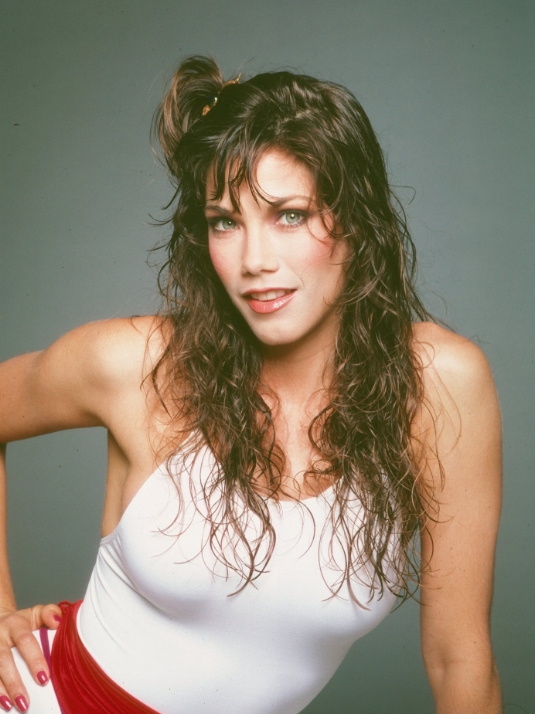
For years, the headlines were dominated by her high-profile relationship with Hugh Hefner, a partnership that arguably placed her at the epicenter of the 1970s social zeitgeist. Yet, Benton’s true success lay in her ability to outgrow that narrative. She wasn’t content to be a footnote in another man’s biography. As the 80s dawned, she began a deliberate shift toward a more private, business-oriented existence, prioritizing creative development and family life over the relentless churn of the paparazzi.
This transition from pop-culture icon to private entrepreneur was not a retreat, but a strategic rebrand. Alongside her husband, real estate developer George Gradow, Benton pivoted toward the world of high-concept architecture and lifestyle design.

The Copper Palace: A New Creative Horizon
The most striking evidence of Benton’s second act can be found in the rugged beauty of Aspen, Colorado. There, she helped envision and execute the construction of the “Copper Palace,” a residence that defies conventional architectural logic. With its distinctive curves, artistic detailing, and personalized structural elements, the home serves as a physical manifestation of Benton’s aesthetic intellect. This phase of her life proved that her creativity wasn’t limited to what she could do in front of a microphone or a camera; it was something she could build from the ground up. The property remains a symbol of her post-entertainment success—a monument to long-term creative investment.

A Legacy of Adaptability
Benton’s journey serves as a fascinating case study in the evolution of American celebrity. She navigated the transition from the 70s to the 80s not by clinging to the past, but by embracing the complexities of reinvention. Unlike many of her contemporaries who were sidelined by the shifting tides of the industry, she chose to step back on her own terms, maintaining public fascination through her lifestyle and business acumen rather than a desperate search for the spotlight.
Today, while she may be less active in the mainstream media circuit, Barbi Benton remains a cornerstone of 1970s pop-culture history. She represents a generation of performers who had to balance multiple creative fields without the safety net of modern digital infrastructure. Her legacy is one of autonomy—a reminder that fame is a tool to be used, not a cage to be trapped in. Whether through a chart-topping country hit, a comedic sketch, or a daring architectural feat, Barbi Benton has spent five decades proving that she was always the one holding the blueprints to her own life.