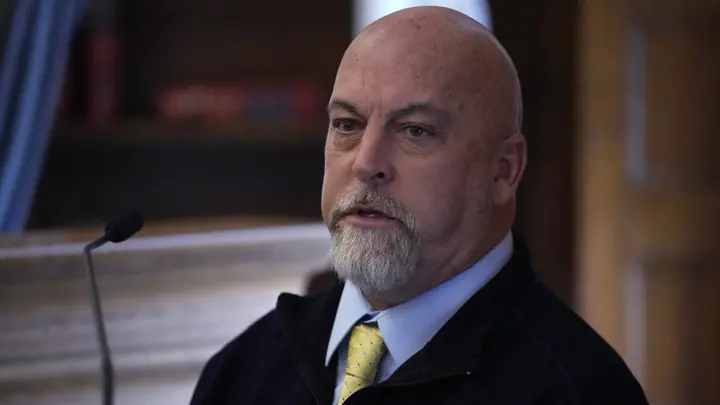
Albert’s sister-in-law, Jennifer McCabe, had reportedly been the one to wake him up after she, Karen Read, and another woman found O’Keefe unresponsive in the yard around 6 a.m. His body was covered in snow, and it was too late to resuscitate him.
Read, who was accused of striking O’Keefe with her Lexus SUV and leaving him to die in the storm, walked free on Wednesday after a Norfolk County jury cleared her of all charges related to murder, manslaughter, and leaving the scene. She was convicted only of a misdemeanor — operating under the influence — and sentenced to one year of probation.
Following her acquittal, Read made an emotional statement outside a post-trial dinner, saying, “I fought for John O’Keefe harder than anyone. Harder than anyone.”
Her defense team had argued throughout the trial that Read was a scapegoat in a flawed investigation. Though prosecutors pointed the finger squarely at her, the defense raised questions about alternative theories — including whether O’Keefe may have sustained his fatal injuries at Albert’s house, possibly involving his dog or others present at a late-night party.
Although Albert was not called to testify in Read’s second trial — unlike in the first, which ended in a hung jury — his home remained central to the defense’s alternate narrative. Read’s supporters have portrayed Albert and members of his family as central figures in what they believe was a cover-up, despite none of them being formally charged or identified as suspects by police.
A photo presented in court showed Read and O’Keefe together, underscoring their romantic relationship before the tragedy. Prosecutors contended that Read, angry after a dispute, struck O’Keefe with her car. But jurors weren’t convinced by the state’s theory or evidence, especially after revelations of investigative missteps.
Karen Read’s attorneys, including David Yannetti, harshly criticized law enforcement after the verdict. “Somebody is still out there,” Yannetti said Thursday. “And it’s a shame that this investigation was not done in the proper way so that they could have gotten to the truth.”
The trial, which lasted over a month with four full days of deliberation, ended in a resounding legal victory for Read and a damning spotlight on investigators. A forthcoming legal counteroffensive from Read’s team targeting law enforcement and the prosecution appears increasingly likely, as they hint at civil action and demand accountability for what they argue was a mishandled case from the start.
As the dust settles, one fact remains: John O’Keefe is gone, and despite a not guilty verdict, the question of how — and why — remains unanswered for many.