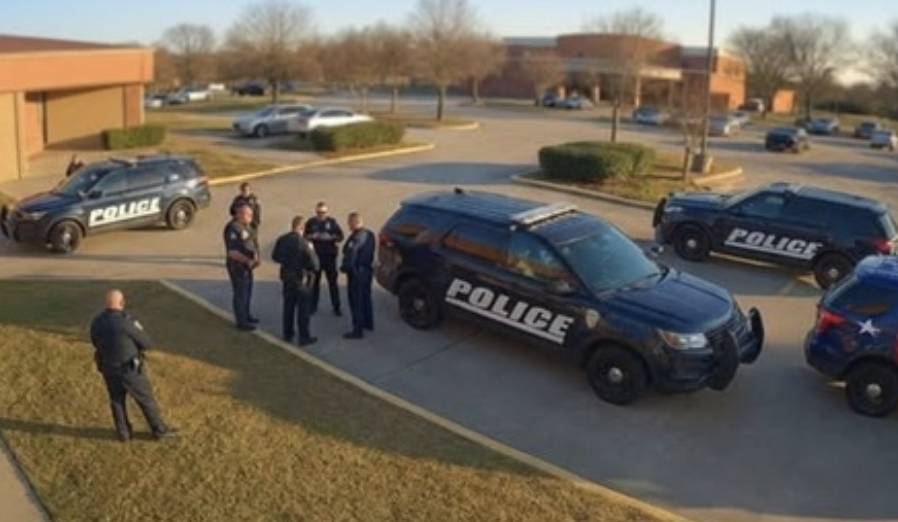
In the quiet stretches of rural Kansas, elections typically follow a predictable, rhythmic script: familiar names on a ballot, neighborly nods at the polling station, and a swift return to the status quo once the final tally is inked. But in Coldwater, that script has been tossed aside. What should have been a routine reaffirmation of local leadership has instead fractured into a complex legal drama, drawing the piercing gaze of the Kansas Attorney General’s Office.
At the heart of the storm is the most recent mayoral race involving Mayor Jose Ceballos. While the dust was expected to settle weeks ago, the intervention of state-level investigators has transformed this local civic milestone into a high-stakes examination of electoral integrity.
A Town in Limbo
For the residents of Coldwater, the transition from election day to everyday life was initially seamless. Campaign signs vanished from manicured lawns, and the low hum of political debate faded into the background of daily chores. Yet, that peace was short-lived. The emergence of questions surrounding the electoral process has punctured the town’s sense of normalcy, replacing routine with a heavy air of uncertainty.
In tight-knit communities, governance isn’t just about policy; it’s built on the bedrock of personal trust and long-standing relationships. When the state’s top law enforcement agency begins peeling back the layers of a local vote, that bedrock begins to shift.
The State Steps In: A Matter of Compliance
Public reports confirm that the Attorney General’s Office is currently scrutinizing specific facets of the Coldwater election. While “investigation” is a heavy word, such reviews often focus on the granular mechanics of democracy:
-
Eligibility procedures for candidates and voters.
-
Administrative compliance with state statutes.
-
Adherence to Kansas election law during the counting and certification phases.
It is a slow, methodical process. In the world of administrative law, clarity rarely arrives with the speed of a news cycle. Officials are currently submerged in documentation, and as of now, no final conclusions have been reached. The town is effectively waiting for the state to finish its homework.
The Pulse of the Community
Walk into any local business or gathering spot in Coldwater today, and you’ll find the conversation has shifted. The community is largely divided into two camps:
-
The Advocates for Accountability: Those who view the state’s intervention as a vital “stress test” to ensure the gears of local government are turning fairly.
-
The Skeptics of Disruption: Those who see the review as an unnecessary cloud over a system they once viewed as stable and transparent.
In the absence of a final report, speculation has become the local currency. Rumors often travel faster than facts in small-town networks, making the wait for official word feel all the more taxing.
Governance Under the Microscope
Despite the legal cloud, the wheels of the Coldwater municipal machine continue to turn. Trash is collected, water flows, and City Council meetings proceed. This is the inherent strength of local government—it is designed to outlast any single political dispute.
However, there is no denying the atmospheric shift inside City Hall. Officials now operate under a heightened level of public scrutiny. Every routine decision and administrative act is now viewed through the lens of the ongoing review, creating a “cautious” environment where every move feels magnified.
The Fragility of Trust
The Coldwater situation serves as a poignant case study on the importance of institutional trust. In a small town, the “institution” is often a neighbor or a friend. When the electoral process is questioned, it’s not just a system being challenged—it’s a social contract.
Transparency is the only available antidote. Regardless of whether the Attorney General finds procedural errors or issues a clean bill of health, the town’s path forward depends on how clearly those findings are communicated. For Coldwater, the challenge is maintaining public reassurance while the slow wheels of justice turn.
A Note on Due Process: It is a fundamental pillar of the American system that all parties—including Mayor Ceballos and election officials—are presumed to have acted within the law. An investigation is a search for facts, not a declaration of fault.
The Broader Democracy
While the eyes of Kansas are on Coldwater, the themes playing out here resonate far beyond the city limits. This isn’t just about one mayor or one town; it’s about the integrity of the ballot box. Local democracy relies on the quiet assurance that every vote is handled with precision and every rule is followed to the letter.
As the state continues its review, Coldwater remains in a state of suspended animation. The eventual resolution will do more than just settle a legal question; it will define how this community views its leaders and its laws for years to come. For now, the town exists in the space between the ballot and the verdict, waiting for the clarity that only time and the law can provide.