Our skin is a dynamic, living canvas that continuously communicates the internal and external states of our health. It reacts to everything from environmental humidity to complex internal immune responses. Among the most common ways the skin signals a change is through the sudden or gradual appearance of red dots.
Because these markings can stem from a wide array of causes, understanding what they mean requires looking closely at their size, texture, behavior, and location. While many red spots are entirely benign and resolve on their own, others serve as important warning signs that a professional medical evaluation is necessary.
Vascular Anomalies: Spots Tied to the Blood Vessels
Several types of red dots are directly linked to changes in the blood vessels just beneath the surface of the skin. These can range from minor structural shifts to structural leaks.
Petechiae and Purpura
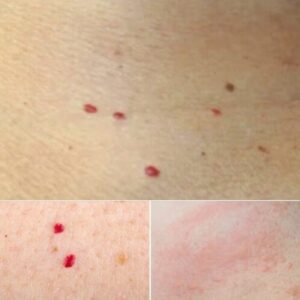
Petechiae present as tiny, pinpoint-sized red, purple, or brown spots that remain flat against the skin. They occur when the smallest blood vessels in the body, known as capillaries, rupture and leak minor amounts of blood into the surrounding tissue. This bleeding can be triggered by simple physical strain, such as intense coughing, vomiting, heavy lifting, or childbirth. However, petechiae can also indicate underlying issues like a viral infection, reactions to specific medications, or an abnormally low platelet count.
When these leaked blood pools are larger, they are classified as purpura. Purpura shows up as broader red or purple patches and can develop following physical trauma, systemic infections, or blood-clotting disorders. While mild, trauma-induced purpura may fade naturally, any unexplained or rapidly spreading purpura requires prompt medical attention to rule out serious vascular or immune conditions.
Cherry Angiomas
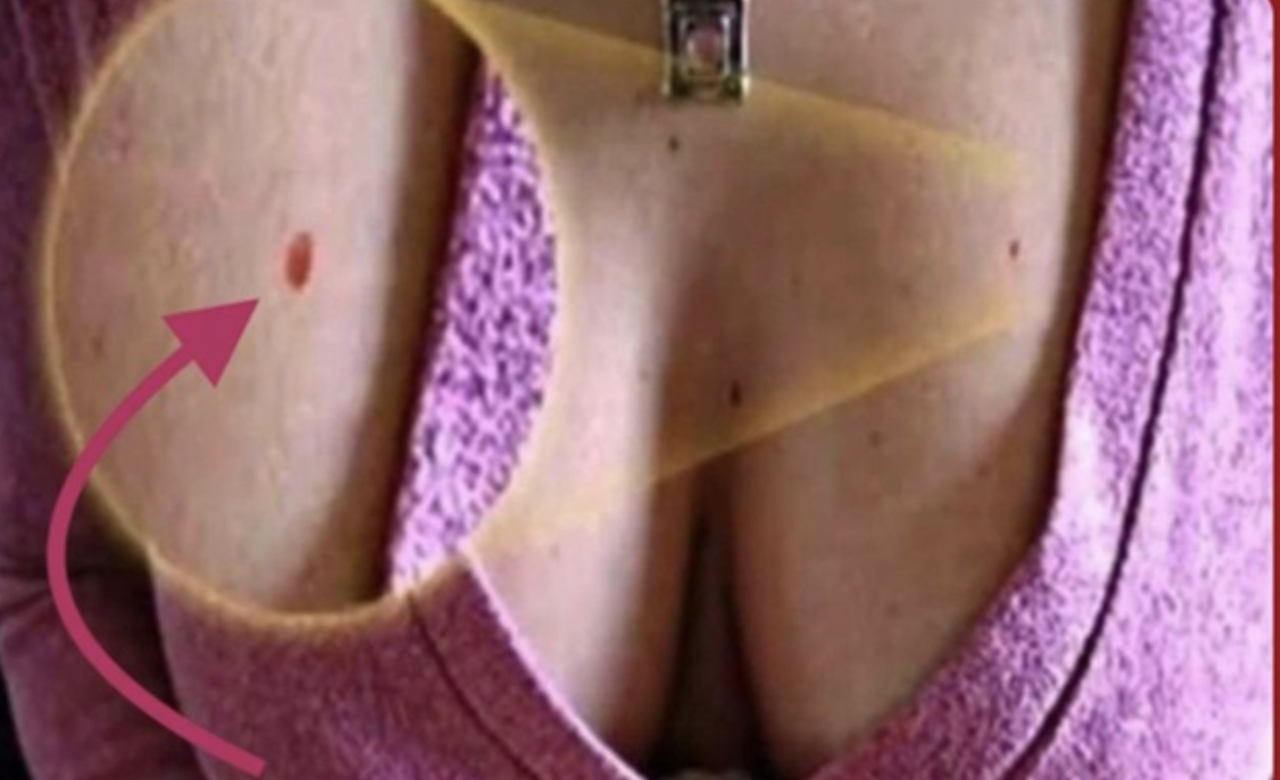
Among the most frequent skin findings in adults are cherry angiomas. These are small, bright red, smooth bumps formed by dense clusters of capillaries near the skin’s surface. They most commonly emerge on the torso, arms, shoulders, and back.
[ Capillary Cluster ] ──> Creates smooth, bright red surface bump ──> Cherry Angioma
Cherry Angiomas are completely noncancerous and generally painless and itch-free. While their exact origin remains unknown, genetics and the natural aging process play a major role, and they tend to increase in number as adults grow older. They require no medical intervention unless they are frequently irritated, bleed, or cause cosmetic concern, in which case a dermatologist can safely remove them.
Hemangiomas
Unlike angiomas that develop later in life, hemangiomas are noncancerous growths of extra blood vessels that typically appear during infancy. Often referred to as “strawberry birthmarks,” these bright red nodules tend to grow rapidly during a child’s first few months before entering a slow involution phase, where they naturally shrink and fade over several years.
Most hemangiomas are harmless and disappear without treatment. However, if a hemangioma develops near critical areas like the eyes, nose, or mouth, it can interfere with vital functions like vision or breathing, requiring careful monitoring, medication, or laser therapy by a specialist.
Environmental and Inflammatory Triggers
The environment around us and the everyday habits we maintain can easily irritate the skin barrier, leading to localized inflammation and redness.
Heat Rash (Prickly Heat)
When sweat ducts become obstructed during hot, humid weather or during intense physical exertion, sweat gets trapped beneath the skin layers. This causes heat rash, which appears as clusters of tiny, intensely itchy red bumps that produce a distinct prickling sensation.
Heat rash frequently occurs in areas where clothing causes friction or within natural skin folds. Infants and young children are particularly susceptible because their sweat glands are still developing. The standard remedy involves cooling, ventilating, and drying the affected skin, which typically resolves the rash within a few days.
Folliculitis
Folliculitis is an inflammatory condition localized within the hair follicles, usually caused by a mild bacterial or fungal infection. It presents as small red bumps, occasionally topped with a whitehead of pus, centered around individual hairs.
Common culprits include friction from tight clothing, heavy sweating, or shaving with dull or unhygienic razors. While mild cases clear up independently through basic hygiene and warm compresses, persistent or widespread folliculitis may require targeted topical or oral antimicrobial treatments.
Insect Bites
Bites from mosquitoes, fleas, bedbugs, mites, or spiders routinely trigger sudden red bumps. These spots are the result of localized immune reactions to the insect’s saliva, leading to swelling, redness, and itching.
Applying cold compresses, hydrocortisone creams, or taking over-the-counter antihistamines can control the discomfort. It is crucial to avoid scratching these areas, as breaking the skin barrier introduces external bacteria and elevates the risk of a secondary infection.
Bacterial Infections Requiring Medical Care
When the red spots are caused by live bacteria invading the skin layers, the condition transitions from a minor irritation to an active infection that demands professional intervention.
Impetigo
Impetigo is a highly contagious bacterial skin infection that predominantly affects infants and young children, though adults can catch it as well. It usually begins as red sores or small blisters, often concentrated around the mouth and nose.
These sores quickly rupture, ooze fluid, and develop a signature honey-colored, yellowish crust. Because the bacteria spread easily via direct contact or shared items like towels and toys, strict hygiene practices—such as frequent handwashing and keeping the sores covered—are vital. Treatment typically involves prescription topical or oral antibiotics to eliminate the infection and stop its spread.
Cellulitis
Cellulitis is a deep, potentially severe bacterial infection of the dermis and subcutaneous tissues. It occurs when bacteria enter through a break in the skin, such as a cut, scratch, surgical wound, or insect bite. The infected area turns noticeably red, swollen, hot to the touch, and increasingly painful.
Unlike superficial rashes, cellulitis can expand rapidly and possesses the dangerous capacity to spread into the bloodstream or lymph nodes if left untreated. Warning signs such as a rapidly widening border of redness, fever, chills, and fatigue mean that immediate medical treatment with systemic antibiotics is required.
Chronic and Systemic Conditions
In many instances, red dots or patches are outward expressions of long-term internal processes, auto-immune activity, or structural hypersensitivities.
Allergic Reactions and Hives
When the immune system encounters an allergen—whether from a food, a new medication, a cosmetic ingredient, a plant, or an insect sting—it may release histamine into the bloodstream. This frequently results in contact dermatitis or hives (urticaria), which manifest as raised, intensely itchy red welts or bumps that can appear anywhere on the body.
While mild allergic rashes dissipate once the offending trigger is removed, severe systemic allergic reactions (anaphylaxis) are life-threatening. If skin redness is accompanied by difficulty breathing, swelling of the face, lips, or throat, or profound dizziness, emergency medical services must be contacted immediately.
Eczema (Atopic Dermatitis)
Eczema is a chronic inflammatory skin condition characterized by dry, red, and profoundly itchy patches of skin. It stems from a combination of genetic factors, immune system dysregulation, and a compromised skin barrier that struggles to retain moisture.
Flare-ups can be triggered by dry weather, emotional stress, harsh soaps, or specific fabrics. Managing eczema revolves around restoring the skin barrier by applying thick, fragrance-free emollients immediately after bathing, avoiding known irritants, and utilizing prescription anti-inflammatory creams during active flare-ups.
Psoriasis
Psoriasis is a chronic, immune-mediated condition that accelerates the lifecycle of skin cells. This rapid turnover causes cells to pile up quickly on the surface of the skin, forming thick, red patches covered with silvery scales. These plaques can be itchy, tender, and prone to cracking or bleeding.
Psoriasis commonly targets the elbows, knees, scalp, and lower back. Because it is a systemic condition, management often requires a combination of topical prescription treatments, phototherapy (light therapy), and systemic or biologic medications that regulate the underlying immune response.
Vasculitis
Vasculitis involves the active inflammation of the blood vessels themselves, which can occur due to an autoimmune disease, an infection, or an adverse drug reaction. This inflammation narrows or scars the blood vessels, reducing blood flow to surrounding tissues. On the skin, this often showcases as palpable purpura—raised, reddish-purple spots that do not fade when pressed—alongside open sores or painful nodules.
Because vasculitis can simultaneously affect internal organs, any persistent, unexplained purple or red spots that appear alongside systemic symptoms like joint pain, numbness, or chronic fatigue require a comprehensive medical workup.
The Influence of Stress and Wellness
The connection between the brain and the skin is profound. Emotional stress, chronic anxiety, and poor sleep can trigger or aggravate various skin issues. High stress levels prompt the body to release hormones like cortisol, which can increase systemic inflammation and impair the immune system’s capacity to regulate itself.
Consequently, stress can act as a direct catalyst for hives, trigger severe flare-ups of eczema and psoriasis, or cause temporary, blotchy skin flushing. Incorporating stress-management practices—such as mindfulness, consistent sleep schedules, and regular physical activity—is a valuable component of maintaining skin health.
Home Care, Remedial Limits, and Prevention
For very mild, non-infectious skin irritations caused by dry weather or simple friction, certain natural ingredients can offer localized relief, though they should be used mindfully.
-
Aloe Vera: Pure aloe vera gel contains natural cooling and anti-inflammatory properties that can soothe mild sunburns, heat rash, or superficial dryness.
-
Coconut Oil: Rich in fatty acids, coconut oil acts as an effective emollient to hydrate dry skin and support the skin barrier. However, it is highly comedogenic, meaning it easily clogs pores, and should be avoided on acne-prone areas like the face, chest, and back.
-
Dandelion Root: While occasionally referenced in traditional herbal practices, there is minimal scientific evidence establishing dandelion root as an effective treatment for red skin spots. Herbal supplements carry risks of side effects or medication interactions and should be discussed with a doctor.
Preventive Strategies
Adopting proactive skin care habits can dramatically reduce the occurrence of many preventable red spots:
-
Wash the skin gently using lukewarm water and mild, fragrance-free cleansers to avoid stripping natural lipids.
-
Wear loose, breathable fabrics like cotton or moisture-wicking materials to prevent friction and heat rash.
-
Apply a broad-spectrum sunscreen daily to protect delicate dermal blood vessels from UV degradation.
-
Maintain a balanced diet rich in essential vitamins, such as Vitamin C and Vitamin E, which provide antioxidants that assist in tissue repair and support immune defenses.
Knowing When to Seek Immediate Medical Attention
Because entirely different skin conditions can look remarkably identical to the untrained eye, it is critical to avoid self-diagnosing using internet images or social media platforms. Misinterpreting a serious infection for a simple rash can delay vital treatment.
Consult a healthcare professional or a board-certified dermatologist if you notice any of the following warning signs:
                  ┌──────────────────────────────┐
                  │   RED SPOTS ON THE SKIN      │
                  └──────────────┬───────────────┘
                                 │
         Does the rash exhibit any of these warning signs?
                                 │
                ┌────────────────┴────────────────┐
                ▼                                 ▼
              [ YES ]                           [ NO ]
                │                                 │
    • Spreads rapidly across the body    • Small, isolated spots
    • Accompanied by fever or chills     • No pain or itching
    • Becomes painful, swollen, or hot   • Fades within a few days
    • Oozes fluid or forms yellow crusts          │
                │                                 │
                ▼                                 ▼
    Seek Prompt Medical Evaluation         Monitor Close & Continue
    (Dermatologist / Urgent Care)            Gentle Skin Care
Modern dermatology offers highly effective, evidence-based therapies tailored to the specific root cause of your skin changes. Paying close attention to how these spots develop, noting any accompanying physical symptoms, and relying on qualified professional care ensures that your skin remains healthy, protected, and properly cared for.