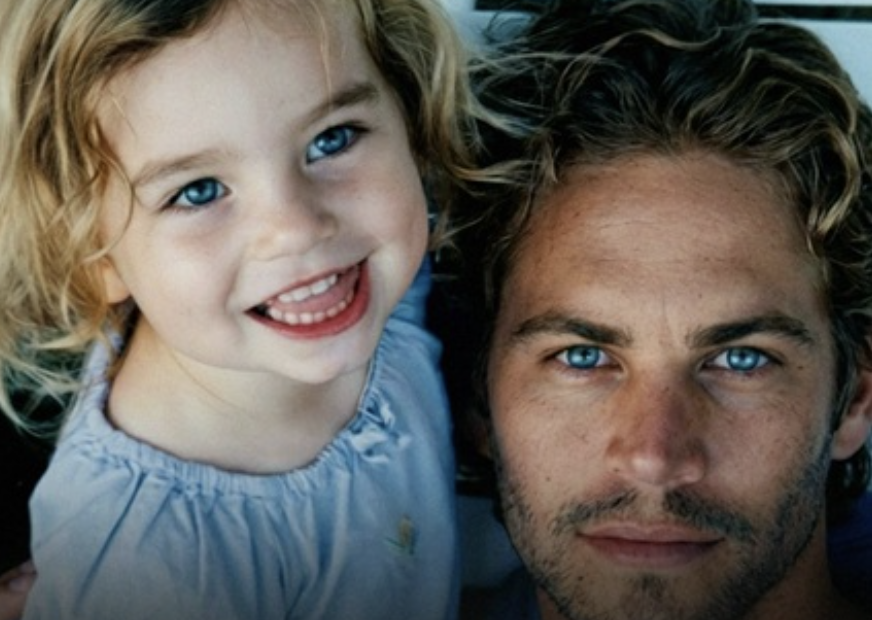
There is a distinct, transactional rhythm to the Cannes Film Festival. It is a place of choreographed glamour, where flashbulbs pop in synchronized rhythm and affection is often just another commodity traded on the red carpet. But on May 13, 2026, the noise outside the Palais des Festivals seemed to soften, replaced by a profound, collective stillness.
A quarter of a century after a gritty, mid-budget street racing movie unexpectedly rewrote the blueprint of global pop culture, a moment unfolded that carried far more emotional gravity than any standard Hollywood victory lap.
Against the azure backdrop of the French Riviera, Vin Diesel and Meadow Walker locked eyes and embraced. It was a quiet, powerful reunion that instantly captured the attention of onlookers—not merely because of the milestone it marked, but because of the vast, bittersweet history carried in that single hug.
The occasion was the 25th anniversary of The Fast and the Furious. Over two and a half decades, the franchise has morphed from a simple story about underground drag racing in Los Angeles into a multi-billion-dollar cinematic empire. Yet, beneath the gravity-defying stunts, the pulverized supercars, and the astronomical box office receipts, the series has survived on a currency far more potent: an unyielding, almost mythological ethos of family. It is a concept birthed on-screen that, through tragedy and time, bleeding into the real world.
At the center of this enduring legacy is Diesel. Now 58, the actor has spent decades fiercely guarding the tight-knit circle of his castmates. That protective, patriarchal sentiment was palpable during the afternoon photo call. Clad in a relaxed, all-black ensemble, Diesel cut a grounded, almost contemplative figure despite the swirling media frenzy.
Beside him stood Meadow Walker. At 27, she possesses a modern, understated elegance, arriving in a tailored black blazer, crisp blue jeans, and white heels. To the millions of fans watching online, her presence was both beautiful and heartbreaking. She is the daughter of the late Paul Walker, the franchise’s co-architect and Diesel’s cinematic brother, whose tragic death in a 2013 car crash shattered the series and permanently altered its DNA. Since her father’s passing, Meadow has not run from the shadow of his legacy; instead, she has walked directly into it, remaining tightly bound to the people and projects that defined his life.
When Diesel and Meadow posed together, the atmosphere on the red carpet shifted. The air grew thick with memory. The warm embrace captured by the international press corps was entirely devoid of the usual Hollywood artificiality. It was a physical manifestation of a 13-year journey of shared grief, resilience, and survival.
The sense of a genuine living history was further amplified by the presence of franchise anchors Michelle Rodriguez and Jordana Brewster. This was no stiff promotional obligation; it was a deeply personal reunion of people who have grown up, aged, and weathered immense loss together in the public eye. Brewster later encapsulated the sentiment on social media, sharing candid snapshots under the simple, poignant caption: “family portraits.” The phrase spread like wildfire across fan communities, met with an outpouring of warmth from Meadow herself.
As night fell over Cannes, the emotional register shifted from nostalgia to reverence. The festival hosted a rare midnight screening of the original 2001 film that started it all. For the evening gala, Meadow made a rare, breathtaking appearance in an olive green gown, its sophisticated, minimalist silhouette drawing hushed praise from the fashion press. Yet, her sartorial choice was secondary to the symbolic weight she brought into the theater.
Before the projector threw the first frames of the 25-year-old celluloid onto the screen, Diesel took the stage to address the audience. His voice, a familiar gravelly baritone, trembled slightly. He expressed profound gratitude to the global fandom, but his remarks quickly pivoted to the emotional bedrock of the franchise. Looking directly at Meadow, he spoke of her enduring connection to the spirit of the series. It was a raw, vulnerable display from an action star, signaling to everyone in the room that the ghosts of the past are very much alive, and deeply loved.
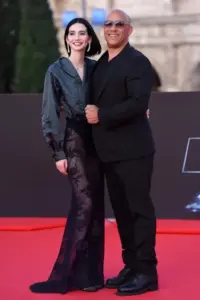
When the lights dimmed and the movie played, the theater became a time capsule. But it was what happened when the credits rolled that truly exposed the raw nerves of the evening. As the audience erupted into applause, Diesel remained anchored to his seat, staring at the screen in absolute silence as the names of old friends scrolled by. It was a heavy, reflective silence that spoke more eloquently than any press release ever could.
When he finally returned to the microphone, Diesel spoke directly of Paul Walker. He bypassed the usual anecdotes about filmmaking, choosing instead to share intimate memories of their brotherhood, their private conversations, and a bond that existed entirely away from the glare of studio lights. When Meadow joined him on stage, the symbolic passing of the torch was complete. It was a stark reminder of how families, forged in the crucible of shared experience and sudden loss, can endure.
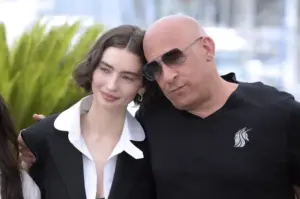
To those who have followed the franchise closely, this deep bond is no surprise. Diesel has long treated Meadow as his own flesh and blood, a commitment that culminated in 2021 when he walked her down the aisle at her wedding—a moment that deeply moved fans worldwide. Their relationship is a rare anomaly in a town notorious for transient alliances; it is built on mutual respect and a quiet vow to never let Paul’s memory fade.
For her part, Meadow has channeled her grief into purpose. As the head of the Paul Walker Foundation, she champions ocean conservation, environmental protection, and humanitarian aid—causes that mirrored her father’s private passions. And while she made a brief, emotional cameo in a recent Fast film, it was never treated as a bid for stardom, but rather a quiet, cinematic love letter to her father’s memory.
The road is now winding down for the mega-franchise. The final chapter of the main storyline is currently slated for release in 2028. While plot details are locked away in studio vaults, the emotional framework solidified in Cannes ensures that the finale will be judged not by its explosions or its box office receipts, but by how it honors its history.
Ultimately, the Cannes reunion was far more than a marketing exercise for a Hollywood juggernaut. It was an unfiltered meditation on time, memory, and the relationships that survive the wreckage of real life. It proved that sometimes, the stories we tell on screen can break through the celluloid, becoming woven into the very fabric of human lives.
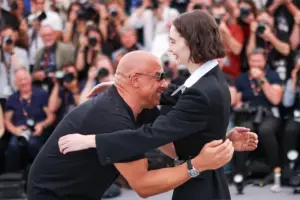
When the cameras were put away and the crowds dispersed, the defining image of the night was not the glamour of Cannes or the weight of a billion-dollar brand. It was simply a man and a young woman, holding onto each other, keeping a promise made a long time ago.
In that quiet space, Paul Walker was not remembered for his absence. Through his daughter, and the family he left behind, his presence was undeniable.