In a move reminiscent of a bygone era of American physical education, President Donald Trump transformed the White House into a makeshift training ground this past Wednesday, May 5. The occasion marked the formal revival of the Presidential Physical Fitness program, an initiative aimed squarely at the sedentary habits of the modern digital age by reinvigorating sports participation among the nation’s youth.
The White House grounds and the Oval Office itself were filled with an unusual energy as a cohort of young athletes, students, and officials gathered for the launch. The administration’s goal was clear: leverage the prestige of the presidency to put physical education back on the map.
Amidst the official proceedings, the spotlight shifted to the participants themselves. Several children were invited to the podium to share their athletic aspirations, creating an atmosphere that organizers intended to be purely motivational—a celebration of health, grit, and the competitive spirit.
A Casual Exchange Under the Microscope
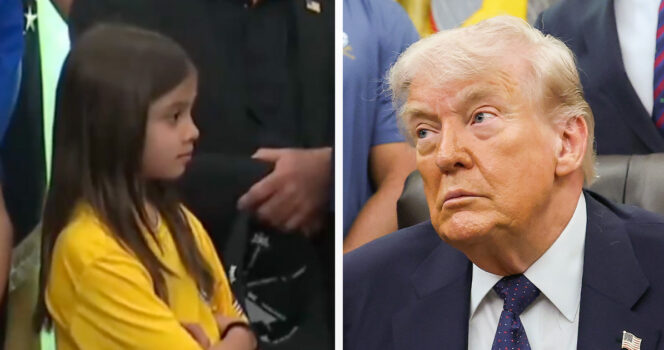
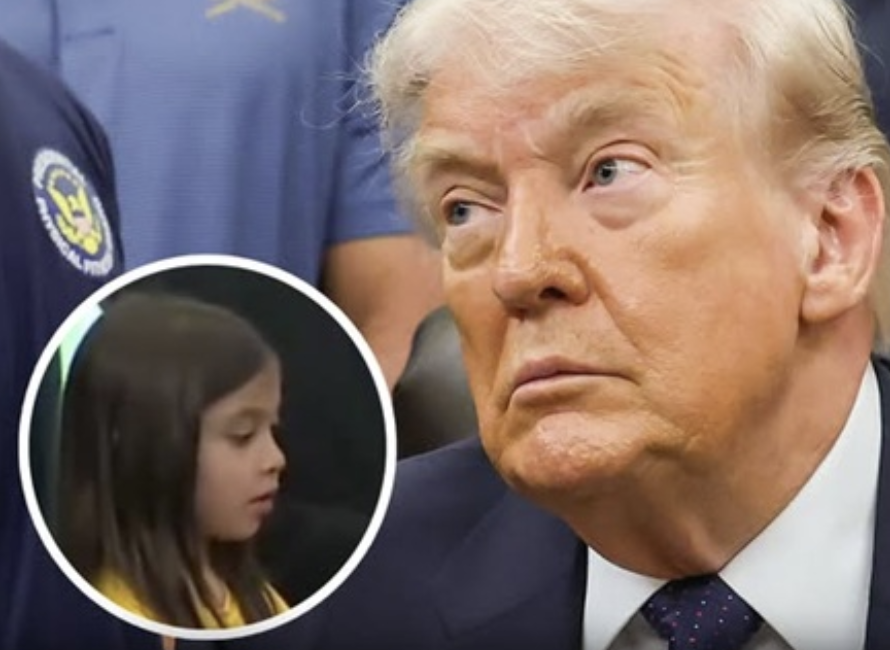
However, the event’s mission of promotion was quickly shadowed by a specific interaction that has since dominated the digital news cycle. During the gathering, President Trump engaged in a brief, informal colloquy with a young female athlete.
The student shared her passion for volleyball and expressed a budding interest in transitioning to the soccer pitch. The conversation, initially centered on her multi-sport ambitions, pivoted toward the physical mechanics of the game. At one point, the President inquired about her height and her ability to execute fundamental volleyball maneuvers, specifically her capacity for jumping and “hitting” the ball. While the exchange was brief and maintained the casual cadence typical of a youth-focused public event, its legacy was destined for more than just the official transcript.
The Anatomy of a Viral Moment
Within hours of the event’s conclusion, a snippet of the conversation began its inevitable trek across social media platforms. In the hyper-accelerated environment of online political discourse, the clip became a Rorschach test for the American public.
As is standard in the current media climate, the interpretation of the footage was split along deeply entrenched lines. Where some viewers saw a focused discussion on the physical requirements of competitive sports, others saw a breach of decorum, sparking a wildfire of debate regarding the tone and intent of the interaction.
A Nation Divided by Perception
The digital fallout revealed a stark contrast in public sentiment:
-
The Critics: Many social media users and communication experts raised eyebrows, characterizing the President’s line of questioning as inappropriate or overly blunt for a formal interaction with a minor. This camp argued that figures in high authority should prioritize a tone of general encouragement over specific inquiries into a child’s physical attributes.
-
The Supporters: Conversely, defenders of the President maintained that the remarks were being unfairly decontextualized. They argued the questions were practical, sports-centric observations relevant to anyone who understands the physical demands of high-level volleyball and soccer.
From the supporters’ vantage point, discussing height and “vertical” is par for the course in any locker room or coaching clinic. They viewed the interaction as an instance of a public figure engaging in the “shop talk” of athletics rather than a critique of the child herself.
The “Clip Culture” Phenomenon
This incident serves as a textbook case of how modern political communication is filtered through the lens of social media. We live in an era where a thirty-minute event is often reduced to a thirty-second “highlight,” stripped of its surrounding atmosphere and intent.
This phenomenon—where brief, spontaneous remarks are amplified and analyzed by millions—is not an isolated occurrence. High-profile figures now operate under a permanent microscope, where the nuances of phrasing are frequently lost in the rush for viral engagement. The speed at which these narratives form often outpaces the public’s desire for full context.
Context vs. Content
The controversy underscores a persistent challenge in the digital age: the tension between a moment’s “content” and its “context.” The Presidential Fitness initiative is, by definition, a program focused on physical development and athletic potential. Within that framework, discussions regarding physical attributes are frequent and foundational.
However, when those same discussions are exported to the general public via a short video clip, they are often judged by the standards of social etiquette rather than the standards of athletic coaching.
Ultimately, the debate over Wednesday’s event is less about the revival of a fitness program and more about the mechanics of modern perception. It highlights a media environment where the meaning of a message is often determined not by the speaker’s intent, but by the viewer’s screen. As the White House looks to move forward with its health agenda, this viral episode remains a potent reminder of how quickly a supportive gesture can transform into a national conversation.