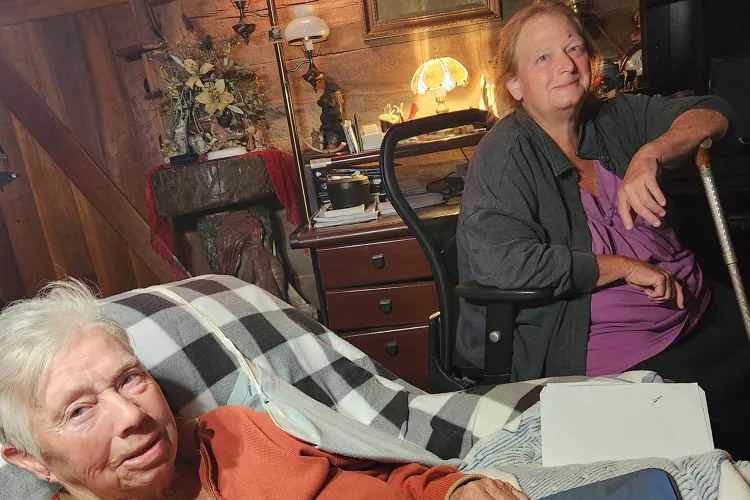
Delsia Bare doesn’t view a $26 million bank balance as a golden ticket or a foundation for a life well-lived. In fact, at 54, she views that kind of wealth with the skepticism of a woman who knows exactly what it costs to keep your soul intact.
“The more money you have, the more problems you have,” Bare says, her voice steady and devoid of regret. “It never went through my mind that this was some kind of Cinderella story. I never wanted to leave my land.”
Bare and her mother, 82-year-old Ida Huddleston, have become the unlikely faces of a national David-vs-Goliath struggle. They recently catapulted into the spotlight after rejecting a staggering $26 million offer to liquidate their family farm in Maysville. The buyer? A shadowy entity seeking to pave over their heritage to make way for a sprawling, 2,000-acre data center complex.
It is a tale of two eras clashing in the Kentucky dirt: the high-speed, invisible demands of the digital age versus a family legacy that predates the Civil War.
Roots Deeper Than Topsoil
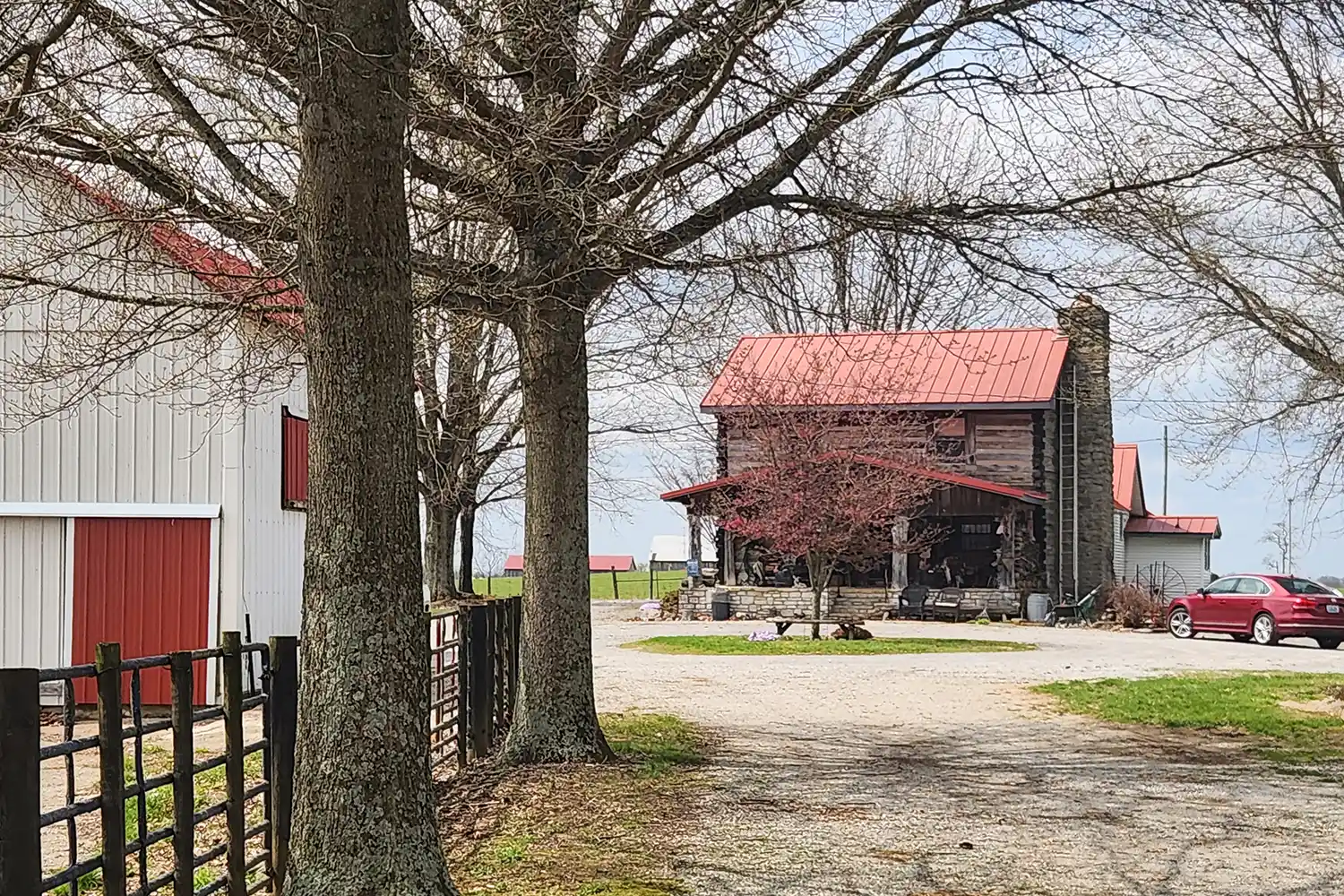
“Money couldn’t move what all I’ve got put in place here,” says Huddleston, a feisty matriarch and grandmother of three. She speaks from the living room of the log home she and her late husband, William Robert “Bill” Huddleston, hewed from the earth more than 60 years ago. “So I just might as well stay and fight it out right where I’m at.”
Huddleston’s connection to this dirt began in the late 1950s. She was seventeen, a teenage bride embarking on a life of grueling labor alongside her 18-year-old husband. Over the decades, the couple expanded their holdings acre by hard-earned acre, refusing to sell a single clod of earth. For their daughter, Delsia, the farm was a childhood sanctuary of horseback rides and pastoral labor. The ties here are not merely emotional; they are spiritual and physical. Bare’s late husband is interred in a family cemetery on the property that dates back to 1638.
Before Bill Huddleston passed away in 2013, Ida made a solemn vow to protect their tradition of staying put. She ensured the property was legally divided between herself, Delsia, and her 64-year-old son, William Robert “Bob” Huddleston. Bob, who carries his father’s name and has passed it to his own son, remains an anchor on the property. While he hasn’t sought the cameras, his opposition to the industrialization of his backyard is just as fierce.
“You can’t get food out of a data center,” Ida says, her logic as sharp as a scythe. “Everything coming out of the data center is going to be poison and destructive.”
The Digital Gold Rush
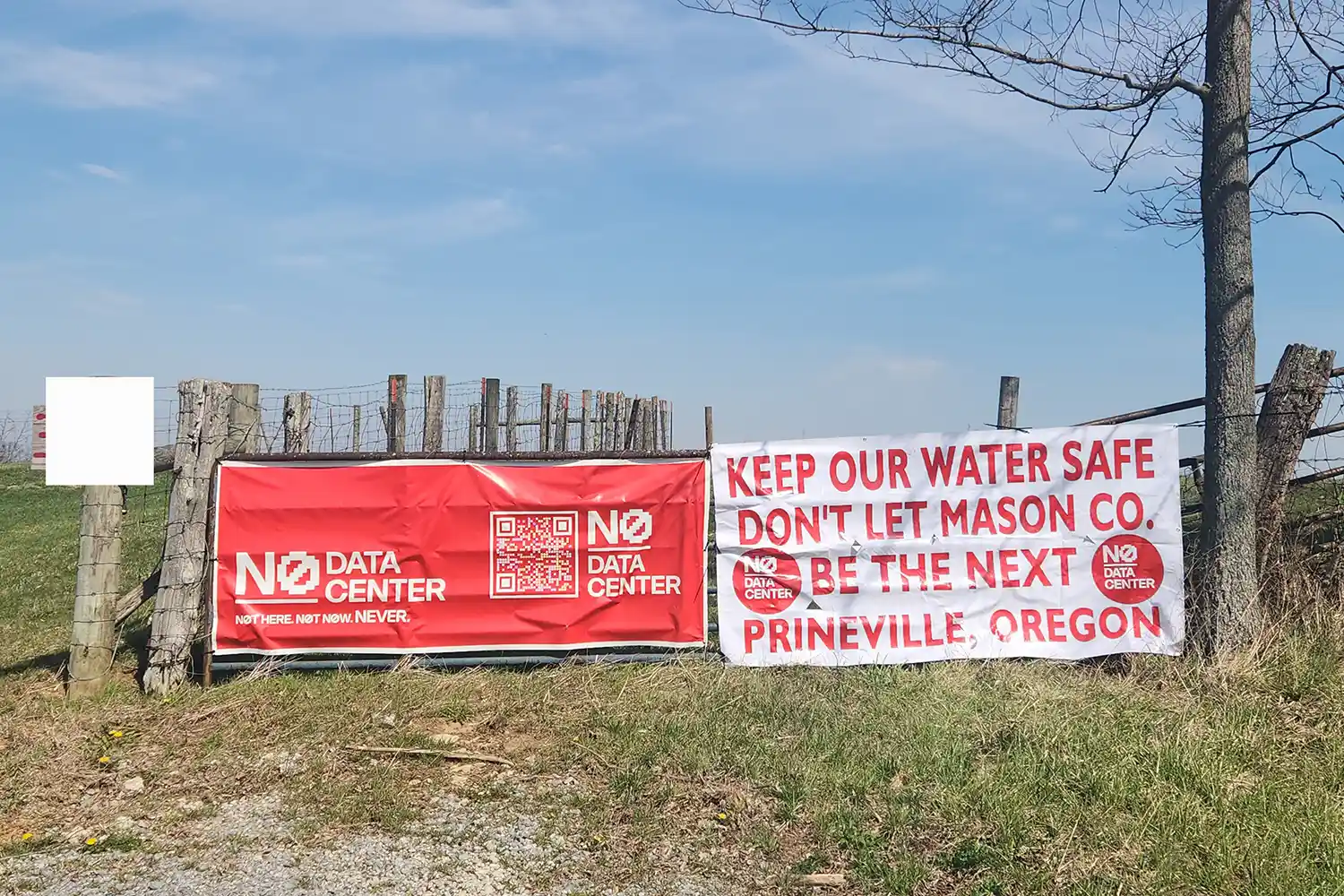
The Huddlestons are standing in the path of a global phenomenon. As the world’s appetite for processing power explodes, tech giants are earmarking trillions for infrastructure, often targeting quiet agricultural corridors like Mason County.
Critics of this “Data Gold Rush” argue the trade-off is lopsided. While the centers bring massive construction budgets, they often leave behind a footprint of environmental degradation, astronomical energy consumption, and a dearth of long-term jobs for the locals they displace.
In Maysville, the mystery is compounded by a lack of transparency. Residents are still in the dark regarding which tech titan is pulling the strings, though the momentum behind the project seems unstoppable. George Larger, the Planning and Zoning Administrator, confirms the project has cleared the primary hurdles.
“The planning commission approved the rezonings,” Larger explains. “Then, on the 22nd, they held a special meeting to approve the development plan with specific conditions. It now heads to the Mason County Fiscal Court for final approval.”
According to the Maysville Mason County Industrial Development Authority, the buyer will only unmask itself once the final signatures are inked and the deal is a fait accompli.
Tactics of Pressure
The saga began last year when “Big Data” arrived not with a bang, but with a whisper among neighbors.
“We were sitting here minding our own business when a neighbor came in carrying on about over-the-top bids,” Bare recalls. In an area where land typically trades for $4,600 an acre, the skyrocketing offers felt suspicious. “It sounded like a scam.”
But the suspicion soon turned to fear. The family had already been scarred by the government’s power of eminent domain. They had previously lost portions of their heritage to a public highway and two separate landfill expansions—seizures they were powerless to stop. When a realtor representing the undisclosed buyer began presenting escalating offers, it felt less like a windfall and more like a threat.
Janet Garrison, a local activist fighting the development, alleges that high-pressure tactics were used to “corral” the local farmers.
“They told them, ‘You’re right in the middle of the project, and if you don’t commit to sell, we’ll probably have to use eminent domain and put a 30-acre substation right in your front yard,’” Garrison claims.
Terrified of losing everything for pennies on the dollar, Bare admits they buckled. “We got scared and signed their blasted contract,” she says. At the time, Bare was battling significant health crises, including detached retinas that impaired her vision and a severe fall linked to heart medication.
The Morning After
The clarity came the following morning. Ida looked at her daughter and realized that no amount of money could replace her home or the flower beds she had tended for a lifetime.
“That’s easy enough,” Bare told her mother. “I’ll just call the realtor and tell him I’m not selling.”
The decision may not stop the data center from rising on the horizon, but it has restored the family’s sense of agency. They view themselves not as owners, but as stewards of a divine creation. They have vowed to stay until they are carried off “feet first.”
“We thought we had it all laid out just right until Big Data Center come in and irritated the life out of us,” Ida reflects. “We don’t know which way to go, but we’re still trying to hang on to the land because everything comes from the land. Once you tear it up, you can never replace it again.”