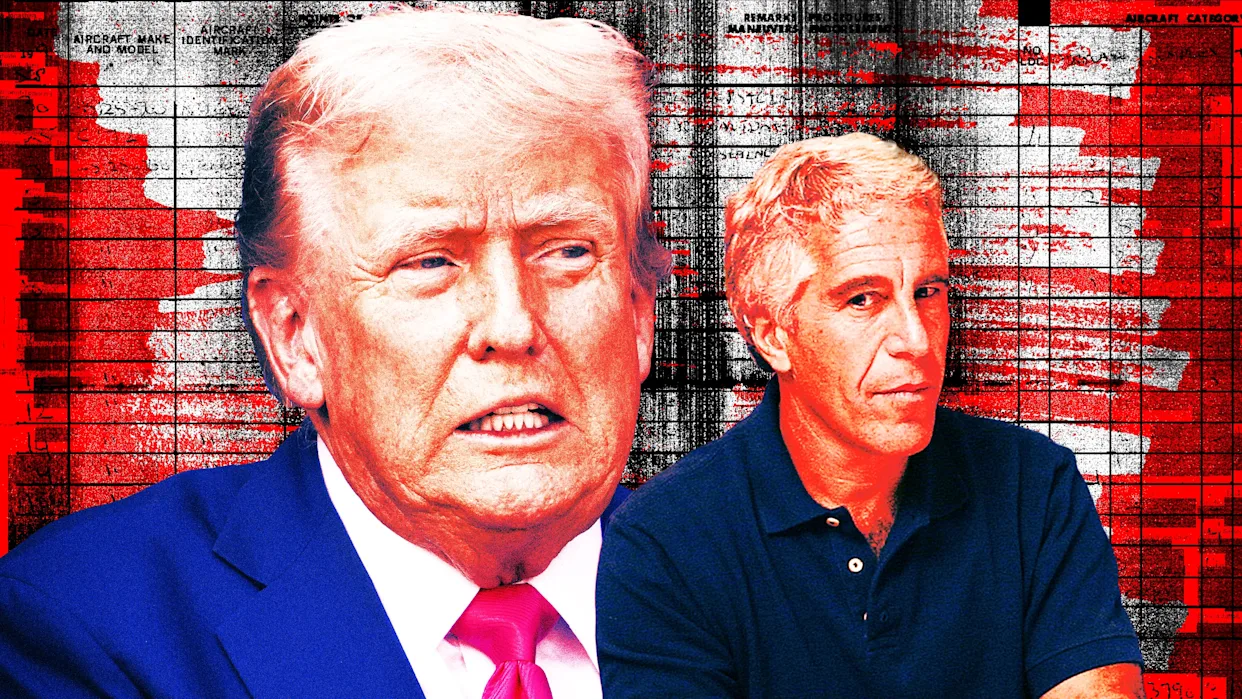
When Attorney General Pam Bondi announced on July 10 that “no further disclosure would be appropriate or warranted” regarding the trove of files tied to Jeffrey Epstein, she likely thought she was closing a chapter. Instead, she lit a match.
For years, Trump-aligned conservatives fueled online movements with promises that justice would be served and elite pedophile rings exposed. Now, those same supporters are crying betrayal. Rather than releasing Epstein’s client list or secret files—long portrayed as proof of a depraved global elite—Bondi shut the door. And President Donald Trump backed her.
The backlash was immediate. Conservative influencers who once praised Trump began blasting him. The administration scrambled. Trump, rather than walking back the decision, doubled down—dismissing Epstein coverage as a “Democrat hoax” and calling his own supporters “stupid” for caring.
What happened to the man QAnon believers saw as their avenging angel?
A Conspiracy Devours Its Creator
Trump’s political rise was built on weaponizing distrust. His brand of populism didn’t promise healthcare or better wages—it promised vengeance. He channeled outrage toward immigrants, liberals, and “the elites.” Epstein’s story fit the mold perfectly: a wealthy predator, protected by the powerful, finally exposed.
QAnon fed off this narrative. It envisioned Trump as a divine figure who would bring down a global Satanic child trafficking ring. The so-called “Storm” would be the reckoning. Epstein was their proof.
So when Trump slammed the brakes on releasing the full Epstein files—and fired Maurene Comey, the career prosecutor leading the case—supporters felt betrayed. Then came the bombshell: a 2003 birthday letter from Trump to Epstein, allegedly featuring a nude sketch with Trump’s signature over the pubic region and cryptic lines like “We have certain things in common, Jeffrey.” Trump denied it, called Rupert Murdoch to try to kill the story, and threatened lawsuits. But the damage was done.
Continue reading