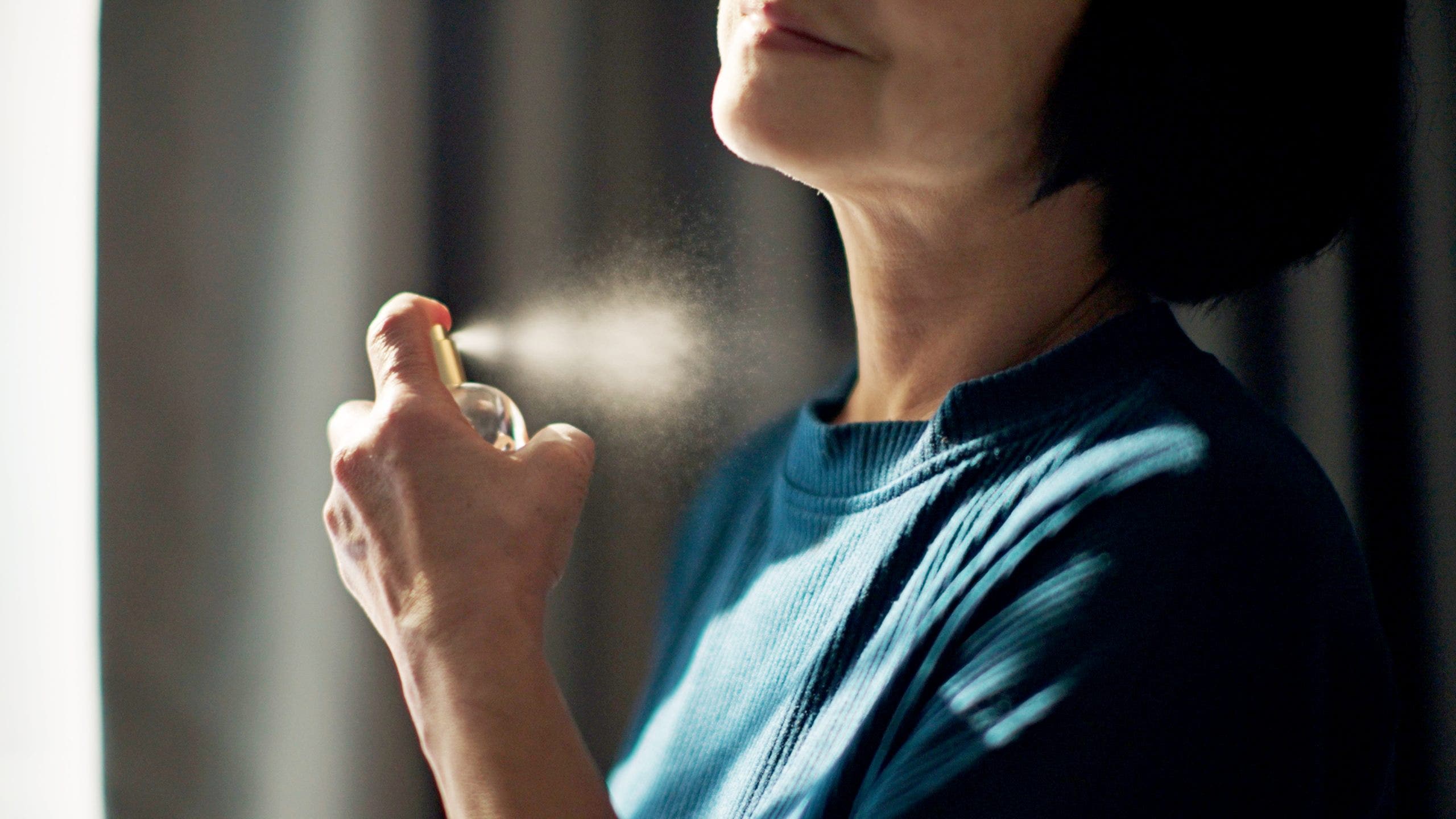
A common topic on social media, often referred to as “old people smell,” describes a faintly musty, oily, or greasy scent that some associate with aging. While this term can sound offensive or dismissive, scientists say the phenomenon has biological roots, not just social stigma.
“I think we all recognize this scent, though we may describe it differently,” said Dr. Dan Wesson, a professor at the University of Florida College of Medicine, in an interview with Fox News Digital. “Some call it musty, like old paper, others say oily or greasy — but none of these are particularly flattering. It’s not the kind of label you want to place on someone, even if it’s real.”

Our skin, the body’s largest organ, changes significantly as we age. For most of our lives, body odor comes from a mix of sweat, bacteria, and dead skin cells — all of which can be managed with routine hygiene. But with aging, deeper biological changes affect how we smell.
“Over time, skin cells accumulate damage, and these cells can begin to release new compounds that affect body odor,” Wesson explained.
One compound that stands out is 2-nonenal, which is produced when fatty acids in the skin oxidize — a process known as lipid oxidation. This compound is largely absent in younger people but is prevalent in older adults. It has a unique scent often compared to greasy cardboard and is not easily removed with soap and water.
“This is because 2-nonenal is fat-soluble — it clings to the skin more stubbornly than water-based substances,” Wesson said.
So, what can be done about it? According to Dr. Wesson, it’s not just about stronger soap.
“Instead of just scrubbing harder, people should take a more holistic approach,” he advised. This includes:
Eating antioxidant-rich foods like fruits and vegetables
Staying well-hydrated
Using skincare products with antioxidants to support healthier skin

Beyond natural aging, other elements can influence body odor:
Medications, such as those for high cholesterol, ADHD, or depression, can change how the body processes chemicals and regulate sweat production.
Hormonal changes, particularly in postmenopausal women, can also shift the skin’s chemistry and natural scent.
“Hormone replacement therapy (HRT) might help counteract some of these changes,” Wesson noted, “but it’s not a one-size-fits-all solution and should be considered carefully with a physician.”

Not all changes in body scent are harmless. A sudden or drastic shift could signal something more serious.
“Body odor can serve as a red flag,” Wesson warned. “If someone notices a dramatic change — especially loved ones — it could indicate a medical issue such as cancer, liver disease, or dementia. In that case, it’s important to talk to a doctor.”
Additionally, some individuals may worry about their smell even when there’s no noticeable scent. This could be due to:
Parosmia, a condition where the sense of smell becomes distorted
Olfactory hallucinations, in which someone smells odors that aren’t there
“People sometimes perceive smells that don’t exist, or they interpret neutral smells as offensive,” Wesson said. “This can be just as distressing and may also need medical evaluation.”

While “old people smell” may be an unkind phrase, the reality behind it is grounded in science — not shame. Understanding the biological changes that come with aging, and taking simple proactive steps in diet, hydration, and skincare, can help manage body odor in a respectful, health-focused way.
As Dr. Wesson puts it, “Age-related odor isn’t a personal failing — it’s a natural process that, like many aspects of aging, can be approached with knowledge and care.”