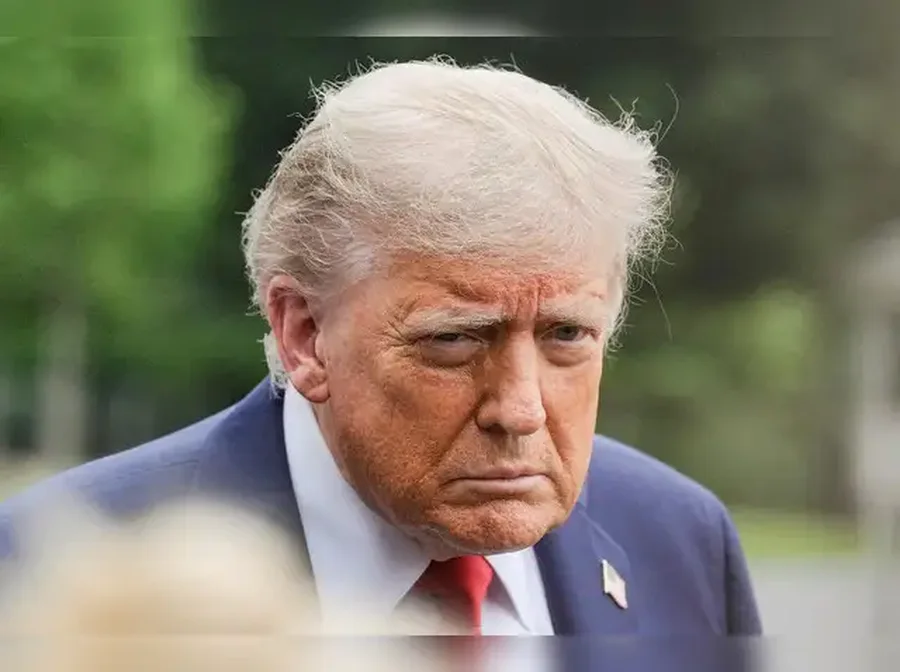
In a sweeping move aimed at clamping down on campus protests perceived as anti-Israel, President Donald Trump has signed a controversial executive order authorizing the deportation of foreign students who participate in pro-Palestinian demonstrations.
The order, signed in late January 2025, marks a significant escalation in the administration’s response to rising tensions on American college campuses over the Israel-Palestine conflict.
The directive instructs federal agencies to identify international students whose actions may be interpreted as support for Hamas—a group the U.S. has officially designated as a terrorist organization since 1997.
Under existing immigration law, non-citizens can be deported for endorsing or promoting such groups, a provision the Trump administration is now using as the legal basis for this crackdown.
Civil liberties advocates have sounded the alarm, warning that the policy dangerously conflates political activism with terrorism. Critics argue it threatens free speech protections and could pave the way for sweeping abuses under the guise of national security. Legal experts also question the constitutionality of using immigration enforcement as a tool to silence dissent.
At the same time, alumni groups from elite institutions—including Columbia University—have reportedly mobilized to track students involved in pro-Palestinian rallies, potentially collaborating with federal authorities to expedite visa revocations and deportations.
The executive order has reignited fierce debate over where the line should be drawn between combating anti-Semitism and preserving free expression.
With the Justice Department now tasked with enforcing the directive, universities across the country are bracing for what could be a chilling effect on student activism—particularly among international students already navigating a precarious political and legal landscape.
As this policy unfolds, it promises to reshape the intersection of immigration, protest rights, and campus politics in ways that could reverberate far beyond the current moment.