It has been a quarter-century since Chandra Levy vanished into the heavy humid air of a Washington spring, leaving behind a half-packed apartment and a mystery that would eventually topple a political career and expose the fragile mechanics of the American justice system.
This week marks the 25th anniversary of the disappearance of the 24-year-old intern—a somber milestone for a case that remains one of the most high-profile enigmas of the early 2000s. For her parents, Susan and Robert Levy, it is a date that underscores a devastating reality: after twenty-five years, an arrest, a conviction, and a sudden reversal, the central question of who killed their daughter remains unanswered.
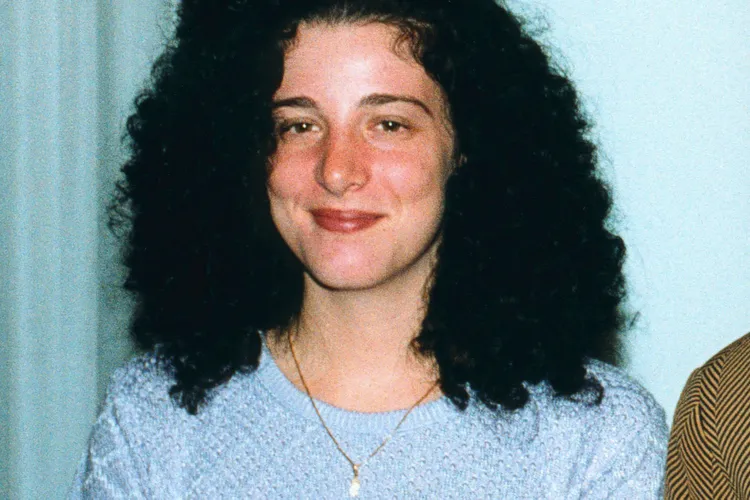
The Intern and the Congressman
Chandra Levy was a vibrant University of Southern California graduate finishing an internship with the Federal Bureau of Prisons. On May 1, 2001, just as she was preparing to return to her native California, she disappeared without a trace. What followed was a media firestorm that fixated on her private life—specifically her relationship with then-Congressman Gary Condit.
The married representative initially denied an affair, but the narrative shifted when DNA evidence found on undergarments in Levy’s apartment linked him to the young intern. While the scandal effectively ended Condit’s political life, he was never charged in connection with her disappearance. His legal team has maintained for decades that he was “long ago completely exonerated by authorities in connection with the death of Chandra Levy.”
A Discovery in the Woods
The search for Chandra ended in May 2002, more than a year after she vanished, when her remains were discovered in the thick brush of Rock Creek Park. While authorities ruled the death a homicide, the passage of time and the elements had obscured the precise circumstances of her final moments.
The trail went cold until investigators set their sights on Ingmar Guandique, an undocumented immigrant who had previously been linked to attacks on two other women in that same park. In 2010, it appeared the Levy family had finally found their version of justice; Guandique was convicted of her murder and sentenced to 60 years behind bars.
The Collapse of a Conviction
However, the closure the Levys so desperately sought proved to be an illusion. In 2016, the case took a staggering turn when prosecutors moved to drop all charges against Guandique. The move followed “unforeseen developments” regarding a jailhouse informant whose testimony had been a cornerstone of the original trial. Faced with the possibility that the witness had provided false testimony, the government admitted they could no longer prove Guandique’s guilt beyond a reasonable doubt.
“I feel shattered,” Susan Levy told PEOPLE as the conviction crumbled. “It’s hard to accept that my daughter’s death is a cold case again.”
Without a retrial, the case officially reverted to unsolved status. Guandique was subsequently deported to his native El Salvador in 2017, leaving the investigation in a state of permanent limbo.
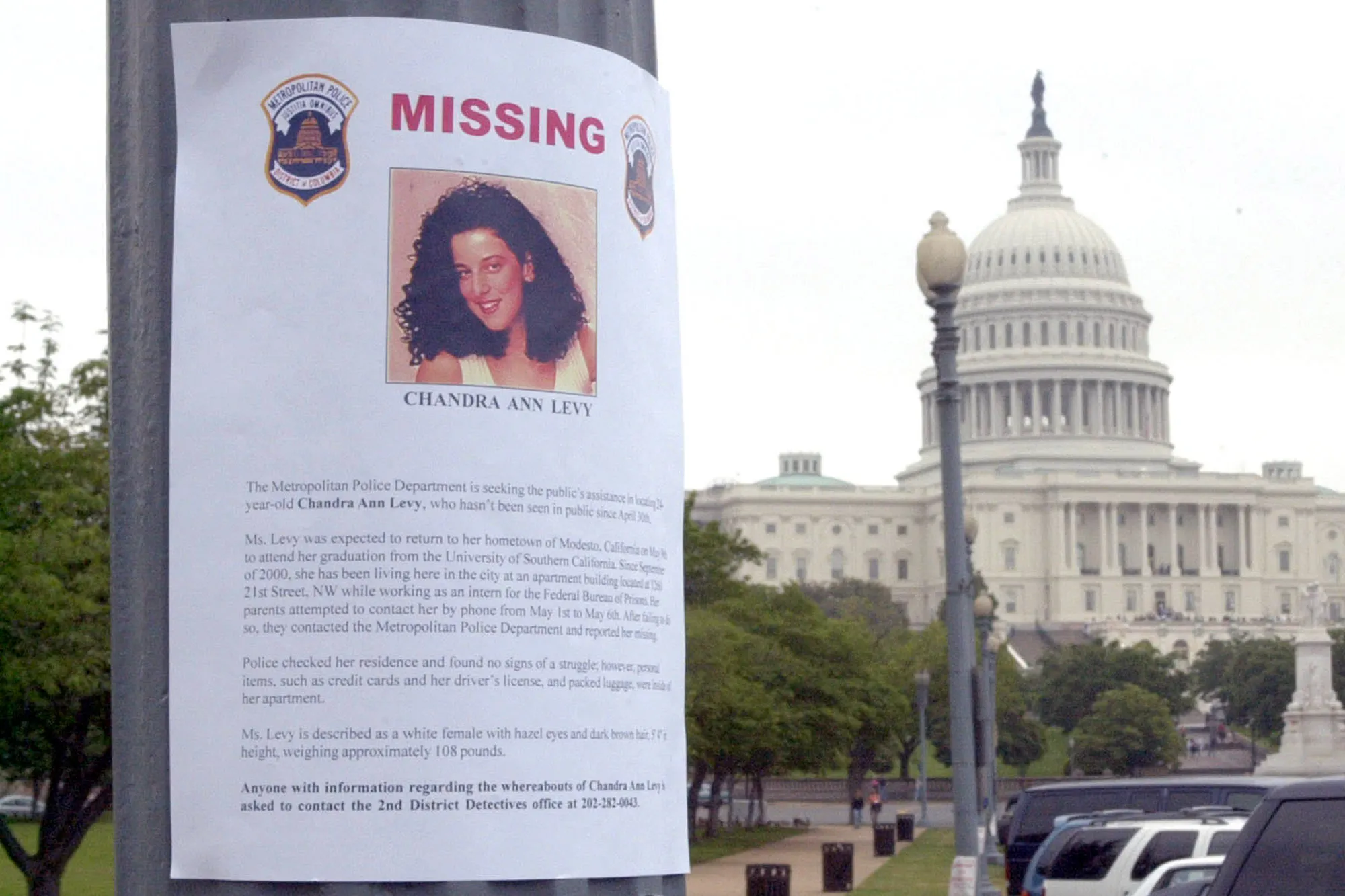
A Search for Accountability
For Robert Levy, the frustration extended toward the legal process itself. “They are investigating the witness and the person who compromised the integrity of the witness,” he told PEOPLE in 2016, hoping for a broader accountability for the failure of the prosecution.
Today, 25 years after Chandra first went missing, her mother continues to act as the keeper of her memory, refusing to let the case fade into the archives of Washington history.
“These wounds don’t heal,” Susan Levy said. “I only wish we could get the person who killed her. Someone knows something, and they need to come forward.”
As the anniversary passes, the file on Chandra Levy remains open—a haunting reminder that in the search for truth, sometimes time is the only thing that moves forward.