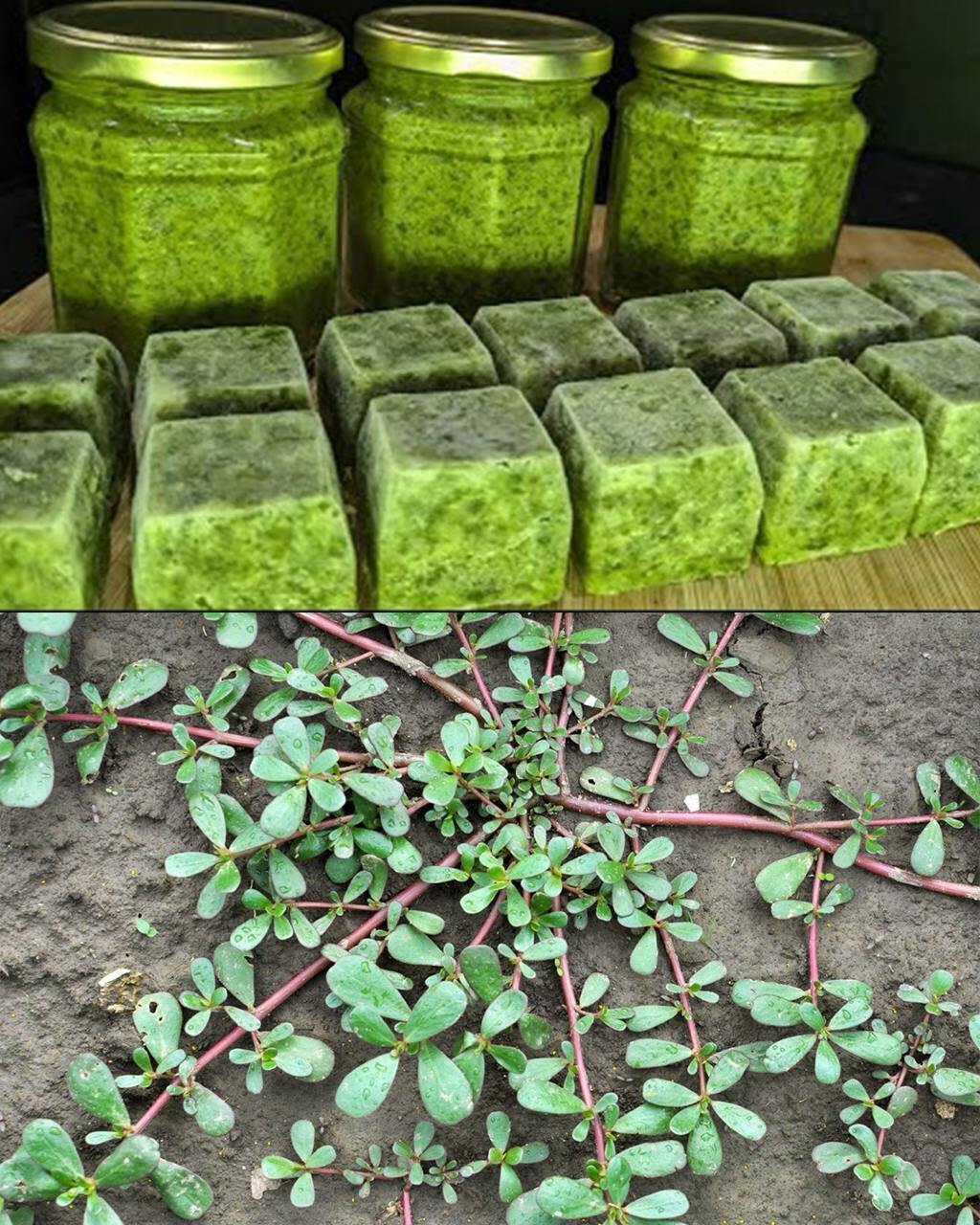
It might look like just another weed forcing its way through sidewalk cracks or lurking at the edges of a garden bed, but purslane is anything but ordinary. Frequently dismissed as a nuisance and pulled up without a second thought, this modest plant is actually one of nature’s most overlooked nutritional treasures. With a history that spans millennia, purslane has been prized in kitchens and apothecaries from the Mediterranean to the Middle East, valued both for its bright, refreshing taste and its health-boosting properties.
Scientifically known as Portulaca oleracea, purslane is a low-growing succulent with smooth, reddish stems and plump, green leaves. Its appearance may be unassuming, but its nutritional credentials are remarkable. Rich in omega-3 fatty acids, antioxidants, and a spectrum of essential vitamins and minerals, it delivers these benefits in a naturally low-calorie, high-flavor package. For anyone—especially those over 60—seeking to protect heart health, sharpen mental focus, and sustain vitality, purslane deserves far more than a passing glance.
One of purslane’s standout features is its exceptionally high level of alpha-linolenic acid (ALA), a plant-based omega-3 fatty acid. In fact, it is among the richest vegetable sources of ALA on the planet. These healthy fats help calm inflammation, improve circulation, and support both cardiovascular health and brain function. Scientific research has linked ALA to reduced risks of heart disease, improved mood stability, and better memory retention—benefits that can be especially meaningful as the years advance.
Purslane’s value doesn’t stop there. It’s loaded with vitamins A, C, and E—three powerhouse antioxidants that work together to strengthen immune defenses, protect cells from oxidative damage, and support healthy vision and skin. Its mineral profile is equally impressive: magnesium for bone strength and nerve health, potassium for blood pressure regulation, and iron for robust oxygen transport throughout the body. Combined, these nutrients form a potent shield against many of the health challenges that tend to increase with age.
For those over 60, incorporating purslane into a daily routine can be particularly impactful. Aging bodies often face increased inflammation, reduced nutrient absorption, and gradual declines in energy. Foods like purslane—dense in bioavailable nutrients yet gentle on digestion—offer a natural way to counter these changes, helping maintain joint comfort, support heart rhythm, and preserve mental clarity.
Fortunately, purslane’s benefits aren’t limited to nutrition—it’s also a joy to eat. Its flavor is fresh and slightly lemony, with a tender bite that can brighten salads, soups, and sautés. In Mediterranean, Middle Eastern, and Latin American cuisines, purslane is far from a weed—it’s a staple ingredient. It’s tossed raw into summer salads, blended with yogurt for tangy dips, cooked with tomatoes and onions, or folded into omelets for an herby twist. Its adaptability makes it easy to weave into any diet.
Perhaps the most striking thing about purslane is how often it’s overlooked. Growing freely in gardens, fields, and even urban spaces, it’s accessible, affordable, and—if you know its value—practically a gift from the ground. The next time you notice its tiny golden flowers or see its fleshy leaves sprouting from a sidewalk crack, think twice before pulling it out.
This humble plant carries within it a legacy of nourishment and healing, bridging traditional wisdom with modern nutrition science. For anyone seeking an easy, flavorful way to boost daily health—especially in the later decades of life—purslane might just be one of nature’s simplest, most generous remedies.