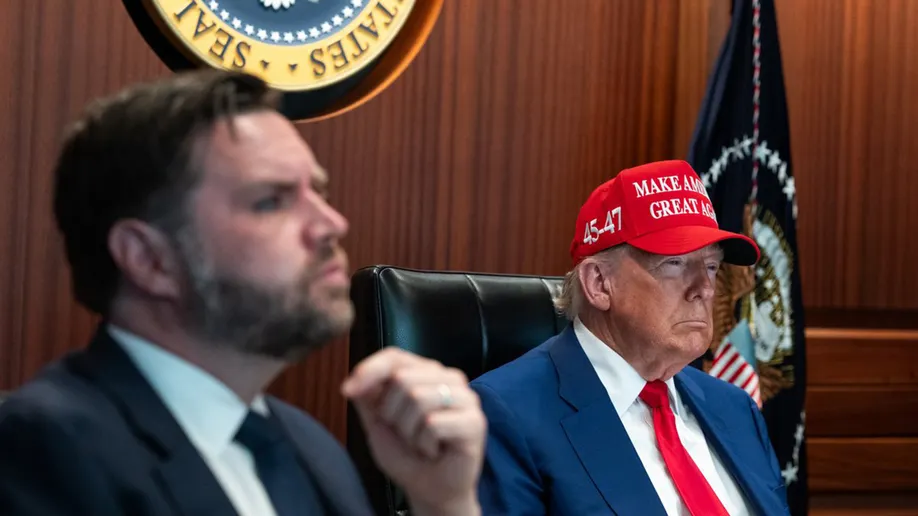
In the aftermath of the U.S. airstrikes that targeted three major nuclear sites in Iran, a senior official from the Department of Justice (DOJ) has come forward to clarify the legal foundation behind President Donald Trump’s unilateral decision. According to the official, the strikes were carried out under the president’s Article II authority as defined by the U.S. Constitution — a move made in close consultation with the White House Counsel’s Office and top legal minds within the Justice Department.
“Under Article II, the president holds broad constitutional powers to defend national interests and to respond to imminent threats,” the DOJ official explained. “This includes the use of military force, particularly in situations where a direct threat is posed to U.S. assets or allies, or where swift action is deemed essential.”
While Article II outlines the executive’s powers, Article I of the Constitution reserves for Congress the authority to declare war — a distinction that has often raised questions during past military engagements.
However, DOJ maintains that Trump’s recent actions — specifically, a targeted bombing campaign against Iran’s nuclear infrastructure — do not constitute a declaration of war in the constitutional sense.
Continue reading