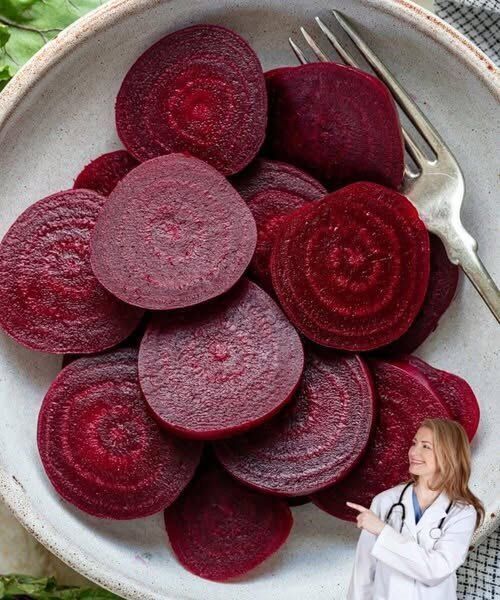
For years, the humble beet has carried the “superfood” mantle, yet its staying power isn’t the result of a passing fad or a clever marketing blitz. Instead, seasoned nutritionists point to a sophisticated internal chemistry—a suite of natural compounds that offer a steady, gentle scaffold for long-term wellness, particularly as we navigate our later chapters.
When beets become a staple of your pantry rather than a guest appearance, your body begins to bank a complex blend of plant compounds, minerals, and fiber. These elements don’t work in isolation; they function as a collective to provide meaningful, cumulative benefits.
The Vascular Secret: How Beets Fuel Your Flow
At the heart of the beet’s profile are naturally occurring nitrates. Once consumed, the body converts these into nitric oxide, a molecule that medical professionals describe as a master regulator for the vascular system. Nitric oxide assists in relaxing blood vessel walls, which facilitates smoother circulation and ensures oxygen is delivered more efficiently to every corner of the body.
For the average person, this physiological shift manifests in the rhythms of daily life as:
-
Renewed ease in navigating routine daily tasks.
-
A noticable lift in overall energy levels.
-
Enhanced stamina for morning walks or gym sessions.
-
Sharper cognitive clarity during the workday.
These aren’t the jarring, “lightning bolt” changes promised by supplements; rather, they are the subtle, incremental gains that define true health.
A Foundation for Digestion and Metabolic Rhythm
Beyond circulation, the beet serves as a cornerstone for digestive health, largely due to its high fiber content. This isn’t just about “roughage”—fiber is a multi-tasker that stabilizes the body’s metabolic equilibrium.
Dietary experts emphasize that this fiber serves several critical functions:
-
Regulates the digestive tract, ensuring consistency and comfort.
-
Feeds the microbiome, providing essential nourishment for the beneficial bacteria in your gut.
-
Metabolizes energy slowly, preventing the erratic “spikes and crashes” in blood sugar often seen after meals.
Because beets marry a natural, earthy sweetness with this structural fiber, they provide a balanced energy source that supports both your palate and your glucose levels.
The Betalain Factor: Nature’s Protective Pigment
The striking, deep-violet hue of a beet isn’t just for show. That color is produced by betalains, a unique class of pigments that researchers have identified as potent antioxidants. These compounds act as a “soothing” force, aiding the body’s internal maintenance.
Betalains are scientifically recognized for their ability to:
-
Moderate normal inflammation, helping the body stay in balance.
-
Bolster liver health, assisting the organ in its daily functions.
-
Refine detoxification, supporting the body’s natural pathways for clearing waste.
Frequent beet eaters often report a sense of being “lighter” or “clearer.” This isn’t the result of a trendy, aggressive “detox” juice cleanse, but the byproduct of consistent, nutrient-dense support.
A Daily Treasury of Essential Nutrients
While the pigments and fiber often steal the spotlight, the beet is also a dense warehouse for the vitamins and minerals that keep the human engine running. This root vegetable provides a reliable, everyday source of: