In the architect’s original blueprint, social media was the ultimate bridge—a digital agora designed to collapse distances, democratize ideas, and weave global communities together. But as these platforms have scaled to encompass billions, that bridge has developed a dark underbelly. Today, the digital age has birthed a troubling paradox: the same tools that grant us instant access to a global audience have also weaponized anonymity, creating a breeding ground for a viral strain of cruelty that thrives in the shadows of a comment section.
The mechanics of modern harassment are deceptively simple. Behind a glowing screen, the “other” is dehumanized; the weight of words is forgotten. This environment has fueled a surge in online abuse that spares no one, leaving psychological scars that are often as enduring as they are invisible. For those who exist outside the narrow margins of conventional beauty or “normality,” the internet can transition from a professional tool to a digital gauntlet in the blink of a notification.
The Catalyst of Cruelty
Melissa Blake, a seasoned writer and disability advocate whose bylines have graced institutions like CNN, understands this transition with painful clarity. Blake lives with Freeman-Sheldon syndrome, a rare genetic bone and muscular condition that shapes her facial structure, hands, and feet. Throughout a career built on wit and intellect, she has navigated the world with a resilience that her latest chapter would put to the ultimate test.
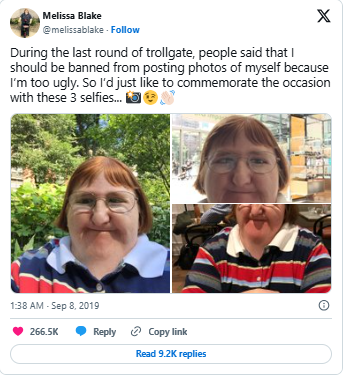
The trajectory of her online life shifted violently in 2019. Following the publication of an op-ed, a YouTuber shared her image, effectively signaling the start of an open season for trolls. What followed was not a critique of her prose or a debate on her ideas, but a visceral, collective assault on her physical appearance. The digital mob descended, armed with derogatory comparisons to animals and vitriolic demands that she hide her face from the public eye. They didn’t want to argue with her; they wanted to erase her.
For Blake, the attacks were more than just insults—they were a direct strike at a physical identity she has navigated since birth. It was a stark manifestation of “disability as a target,” where the detached nature of the web emboldens strangers to say things they would never dare utter in the physical world.
Resilience in Pixels
Confronted with an onslaught of hate that would drive many into a digital retreat, Blake chose a radical alternative: defiant visibility.
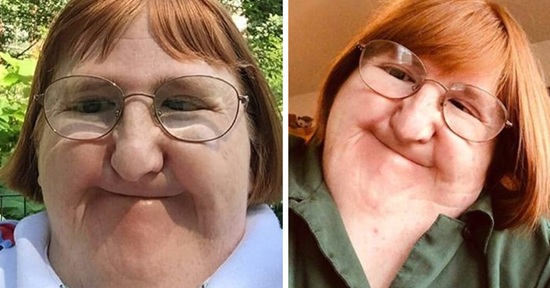
Refusing to comply with the trolls’ demands for her disappearance, she responded by posting a series of selfies. It was a quiet, dignified “no” to the culture of shame. She made it clear that her presence was not up for negotiation and that no amount of digital vitriol would force her into the shadows. This wasn’t just a rebuttal; it was a reclamation of her own image.
What began as a single act of defiance evolved into a year-long campaign of empowerment. Blake committed to a daily practice of sharing a selfie—each image a snapshot of her daily life, her moods, and her unapologetic humanity. These weren’t just photos; they were “small acts of resistance” against a society that often views disability through the binary of pity or limitation.
Shifting the Narrative
The impact of Blake’s consistency was profound. As her daily dispatches continued, the momentum shifted. The insults were drowned out by a tidal wave of global support. Her Instagram following ballooned, not because of a viral gimmick, but because her journey struck a chord with anyone who had ever felt “othered.”
By remaining visible, Blake forced a broader conversation on:
-
Media Representation: Challenging the outdated and stereotypical ways disabled bodies are portrayed in popular culture.
-
Digital Accountability: Highlighting the urgent need for platforms to address the human cost of anonymous harassment.
-
The Power of Narrative: Demonstrating that while we cannot control the words of others, we maintain absolute sovereignty over our own story.
“I wanted to show that disabled individuals live full, meaningful lives,” Blake has reflected. “We have personalities, achievements, and interests that have nothing to do with the narrow standards of beauty the world tries to impose.”
A Legacy of Visibility
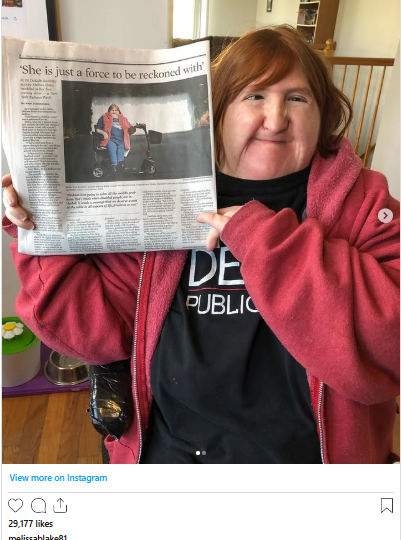
Today, Melissa Blake is no longer just a writer; she is a symbol of digital resilience. Her story has become a cornerstone in the discourse surrounding online behavior and disability rights. She has proven that the selfie—often dismissed as an act of vanity—can, in the right hands, become a tool for social justice and a mirror reflecting the inherent dignity of the individual.
Her journey serves as a poignant reminder that behind every avatar is a pulse, a history, and a person deserving of respect. While the digital age continues to grapple with its darker impulses, Blake’s daily presence offers a roadmap for the future: one where we respond to hate not with silence, but with the courage to be seen.
Do you think social media platforms are doing enough to protect creators from this type of coordinated harassment, or is the burden of resilience still falling too heavily on the individual?