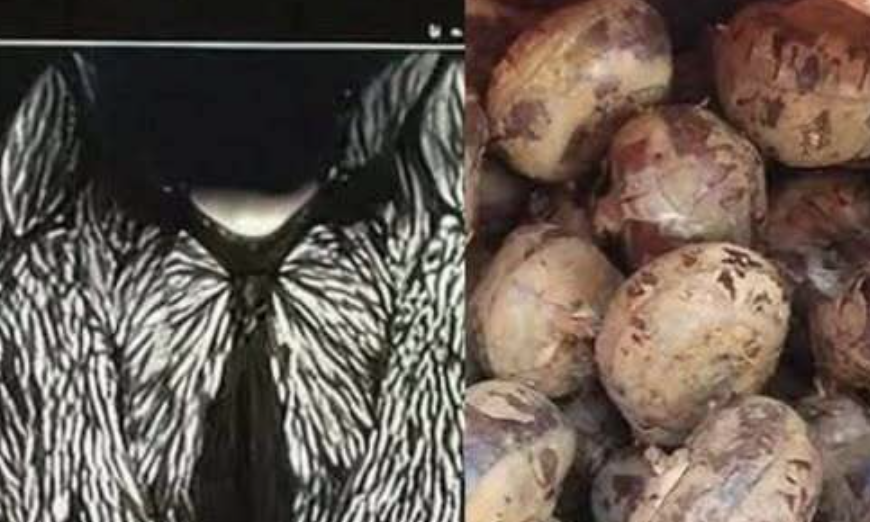
The modern dining table is a minefield of microscopic hitchhikers, though few of us ever care to look closely enough to notice. We pour our morning coffee, slice into a rare steak, or toss a fresh salad under the comforting illusion that our food supply is entirely sterile. Yet beneath the pristine veneer of contemporary gastronomy lies a stark, unsettling reality: many of our everyday staples harbor hidden parasitic threats.
While the average consumer rarely spares a thought for what might be lurking on their fork, the biological world is indifferent to our bliss. Microscopic protozoa, resilient roundworms, and opportunistic tapeworms are quietly waiting for a lapse in vigilance. They enter the human ecosystem through the most mundane of vehicles—an undercooked cut of meat, a slice of raw sashimi, a handful of unwashed garden greens, or a glass of seemingly clear water. Once they breach the defenses of the human mouth, these organisms don’t just pass through. They set up camp in the digestive tract, or worse, migrate into muscles and vital organs. Some trigger immediate, debilitating illness; others play the long game, living undetected for years like biological sleeper cells.
The margins of safety are razor-thin. In the world of foodborne pathogens, a single bite is all it takes to introduce a colony of thousands of microscopic invaders into your body. This is particularly true when dealing with high-risk culinary choices like pork, wild game, or raw fish. The most frustrating element for both health officials and consumers is that these threats are entirely invisible. Food contaminated with Trichinella, tapeworms, Toxoplasma, or Anisakis worms doesn’t smell spoiled or look rotten. A piece of fish or a cut of meat can look perfectly premium on a plate while teeming with life.
It is true that modern agricultural standards, stringent supply chain regulations, and industrial processing have drastically lowered the stakes in developed nations. We no longer live in the dark ages of food hygiene. But lowered risk is not zero risk. Globalized food supply chains and specific culinary habits keep the door unlocked. Indulging in raw or undercooked meats, skipping the thorough wash on fresh vegetables, or rolling the dice on unregulated street food all elevate the statistical likelihood of an encounter. In this arena, the ultimate line of defense isn’t a government inspector—it’s the consumer’s commitment to proper cooking temperatures, rigorous hygiene, and safe food handling.
The clinical consequences of a breach are wildly unpredictable. Depending on the specific organism involved, a parasitic infection might manifest as nothing more than a mild, passing bout of stomach discomfort. In more severe, worst-case scenarios, it can escalate into devastating neurological damage or profound organ complications. Because these silent invaders can colonize the human body for months or even years before ever triggering a symptom, waiting for a sign of illness is a losing strategy. Prevention is the only real leverage we have.
Ultimately, this is a narrative about the invisible vulnerabilities of our food supply chain. It isn’t meant to spark panic, but rather to dismantle complacency. Foodborne parasites may be statistically rare in the grand scheme of modern dining, but they remain an undeniable reality. The core takeaway is a sobering exercise in cause and effect: a single careless bite—while statistically unlikely to harm you—carries disproportionately heavy consequences if you choose to ignore the basic rules of the kitchen.