Trump Administration to Scrap Musk’s “Five Things” Program Amid Fallout
WASHINGTON, Aug 5 (Reuters) – The Trump administration is expected to formally eliminate a federal employee reporting initiative introduced by former adviser Elon Musk as early as Tuesday, according to two sources familiar with the matter.
The Office of Personnel Management (OPM), which implemented Musk’s push to reduce the size of the federal workforce, is set to notify HR officials across government that the so-called “five things” email—requiring employees to list five accomplishments from the previous week—will be discontinued, the sources said. They requested anonymity as the plan has not yet been made public.
Though many agencies had already quietly phased out the controversial practice, the move represents a clear break from one of Musk’s most unpopular reforms. The decision comes in the wake of a high-profile clash between Musk and President Donald Trump earlier this summer.
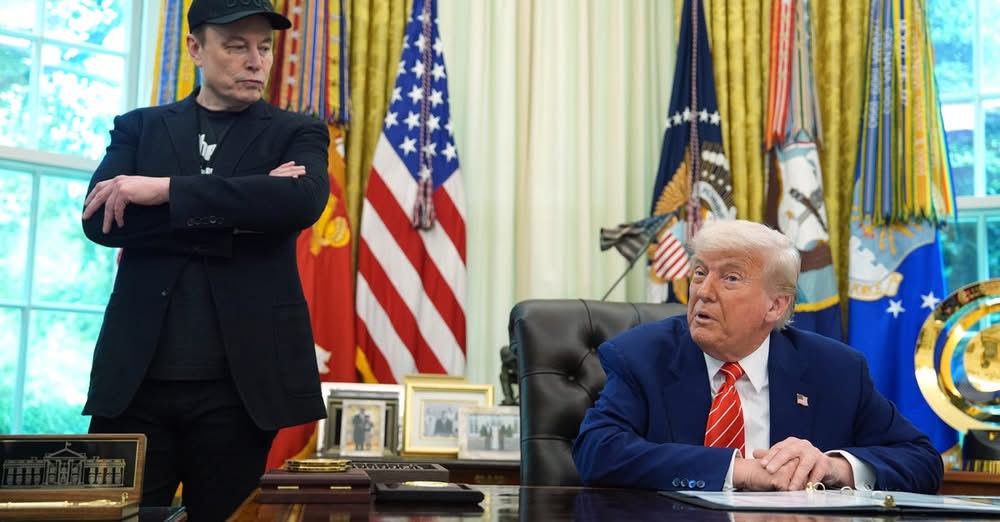
Musk, who donated more than $250 million to support Trump’s re-election, served as head of the Department of Government Efficiency (DOGE) until May, when he stepped down to return to his private ventures. While he initially received a warm farewell from the White House, relations quickly soured after Musk publicly condemned Trump’s signature tax and spending package, calling it “an abomination.”
In the fallout, Trump withdrew the nomination of Musk ally and tech entrepreneur Jared Isaacman to lead NASA and later threatened to terminate billions in federal contracts with Musk-owned companies.
Launched in February, the “five things” directive was meant to enhance accountability within the federal bureaucracy. However, it caused confusion and resentment among agency leaders and staff, many of whom were blindsided by the abrupt rollout and unclear compliance expectations. In March, Reuters reported that the White House had placed two loyalists at OPM to strengthen coordination on Musk’s efficiency efforts.
Scott Kupor, a venture capitalist who took over as OPM director in July, signaled last month that the program’s end was near. He criticized the weekly process as “very manual” and questioned its overall value.
“It’s something we need to evaluate and ask whether we’re actually getting the benefits originally promised,” Kupor said.
The White House and OPM declined to comment on the matter.
(Reporting by Alexandra Alper; Editing by Sally Buzbee and Rod Nickel)