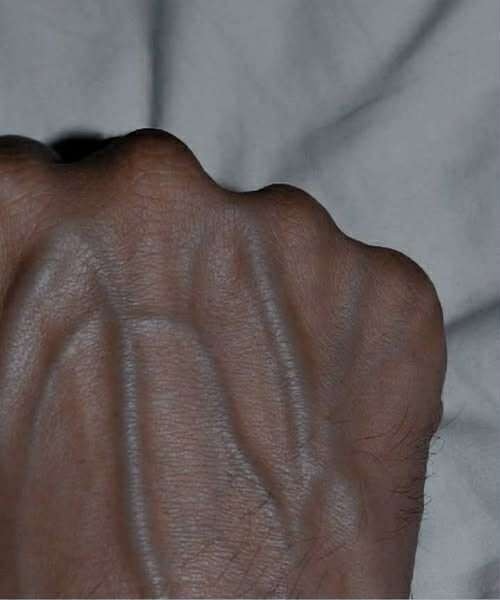
The Truth Beneath the Skin: What Those Visible Blue Veins Are Actually Trying to Tell You
It usually happens under a sudden, sharp glare of bathroom lighting or during a casual glance down at your arms: a sudden network of vivid blue and purple lines tracing paths beneath your skin. For many, that first moment of discovery brings a quick spike of anxiety. It’s easy for the mind to race, transforming a normal anatomical feature into an overnight warning sign. Is it a cardiovascular red flag, or just the way you’re built?
If you have suddenly noticed your veins looking more pronounced, the short answer is reassuring: in the vast majority of cases, it simply means your body is doing exactly what it is designed to do.
To understand why these vessels suddenly take center stage, we have to look at the fluid nature of our anatomy. The human body is constantly adjusting to its environment, lifestyle, and time. For instance, if you have low body fat or engage in regular exercise, your muscles swell and push these veins closer to the surface. It’s why athletes often look like a road map of circulation.
Similarly, the natural aging process plays a major role. As the years pass, our skin gradually loses collagen and thins out, essentially lifting the curtain on the vascular network underneath. Even a hot summer day or a warm bath can cause your veins to dilate and expand, making them appear dramatically darker and more prominent than usual. These shifts reflect ordinary, healthy changes in circulation and skin thickness—not a systemic failure.
Yet, as a journalist who has covered health and human behavior for a decade, I know that telling someone “not to worry” rarely works when a change feels sudden or unfamiliar. Our bodies are our most personal territory, and vigilance is a natural survival instinct.
While prominent veins are usually just a cosmetic quirk of biology, your body does have a vocabulary for when things are truly going awry. The key is knowing how to differentiate between a harmless visual shift and a genuine medical red flag.
You should transition from curiosity to action if those visible veins are accompanied by physical discomfort. True warning signs include persistent pain, localized swelling, or noticeable changes in the color and texture of the surrounding skin. Furthermore, if you begin experiencing chronically cold fingers or toes, notice wounds on your legs that are frustratingly slow to heal, or feel a heavy, throbbing discomfort that won’t go away, your circulatory system is asking for professional attention.
In the absence of those red flags, those blue lines are simply the quiet, working machinery of your body keeping you moving. But if the anxiety persists, there is never any shame in scheduling a quick check-up—if only to trade your worry for peace of mind.