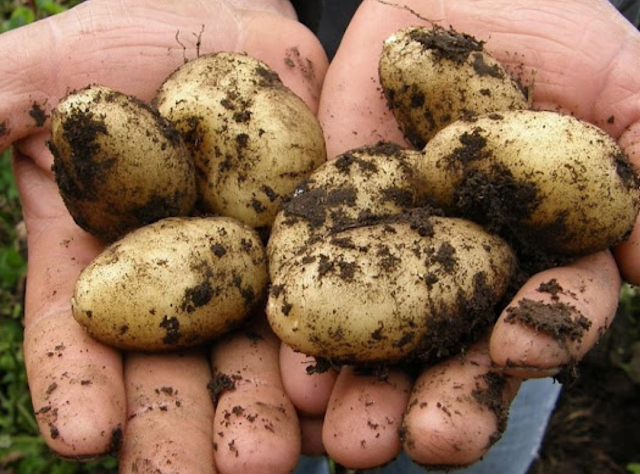
In the modern theater of dietary trends, the potato has been cast as the ultimate villain. For the better part of two decades, low-carb crusaders and keto enthusiasts have relegated this starchy staple to the “do-not-eat” list, lumping it in with refined sugars and processed flours. But according to a growing chorus of veteran dietitians and medical experts, the potato has been the victim of a massive case of nutritional identity theft.
The truth is far more nuanced: the potato is a nutrient-dense whole food that has sustained civilizations for millennia. The issue isn’t the tuber itself, but the company it keeps—specifically the deep fryer and the heavy cream. As we peel back the layers of misinformation, a picture emerges of a vegetable that, when handled with a bit of culinary intelligence, offers a powerhouse of health benefits.
The Nutrition Brief: At a Glance
-
The Heavy Hitters: Rich in potassium, fiber, vitamin C, and complex carbohydrates.
-
Potassium Punch: A single medium baked potato (with skin) delivers ~900 mg—outperforming the legendary banana.
-
The Fiber Factor: 4 grams of digestive-friendly fiber per serving.
-
The Secret Weapon: Contains resistant starch (a prebiotic) and anthocyanins (in colorful varieties).
-
Gold Standard Prep: Baked, boiled, or roasted; skin-on is non-negotiable for maximum value.
-
Medical Caveat: Those with Type 2 diabetes or advanced kidney disease should consult their specialists for portion tailoring.
Casualty of the Carb War: Separating Fact from Fear
Potatoes have become collateral damage in our cultural obsession with “net carbs.” While cutting back on ultra-processed “white” foods like doughnuts and bleached bread is a metabolic win, categorizing a field-grown potato as a “processed snack” is a scientific error.
The distinction matters. A whole potato is a complex organism; a potato product is a commodity. By understanding how preparation methods fundamentally alter the glycemic response and nutrient density, we move away from fear-based eating and toward informed, sustainable nutrition.
The Scientific Defense: Five Pillars of Potato Health
1. A Cardiovascular Ally
Public health messaging often focuses on reducing sodium, but increasing potassium is the other half of the blood pressure equation. Potatoes are a premier source of this mineral, which helps the body flush excess salt and eases the tension in blood vessel walls. At 20% of your daily requirement per spud, it’s one of the most efficient ways to support heart health and mitigate stroke risk.
2. The “Prebiotic” Powerhouse
We often think of fiber as just “roughage,” but the potato offers something more sophisticated: Resistant Starch. When a potato is cooked and then cooled (think of a classic vinegar-based potato salad), it develops a structure that resists digestion in the small intestine. It travels to the colon, where it feeds the “good” bacteria in your microbiome. This process has been linked to improved insulin sensitivity and superior gut integrity.
3. Sustained Fuel for High Performance
Unlike refined carbohydrates that cause a “spike and crash” cycle, the complex carbohydrates in potatoes provide a slow-burn energy source. This makes them an ideal fuel for athletes, active professionals, and the elderly who require calorie-dense, nutrient-rich meals to maintain muscle glycogen without the jittery effects of simple sugars.
4. The Antioxidant Spectrum
If you want to level up your nutrition, look to the rainbow. Purple and red-skinned potatoes are surging in popularity among health researchers because they are loaded with anthocyanins and flavonoids. These are the same protective compounds found in blueberries, known for their ability to combat oxidative stress and chronic inflammation.
5. Economic and Inclusive Nutrition
In an era of rising food costs, the potato remains one of the most affordable ways to put high-quality nutrients on the table. Naturally gluten-free, it serves as a safe, versatile foundation for those with celiac disease or gluten sensitivities, proving that “health food” doesn’t have to be expensive or exclusive.
The Real Risk: Death by Preparation
Doctors aren’t worried about the potato; they’re worried about the fryer. Research in the American Journal of Clinical Nutrition has drawn a sharp line in the sand: fried potato products are linked to higher risks of obesity and heart disease, while boiled or baked versions show neutral or even protective health associations.
“The potato isn’t the problem—the fryer is,” notes Dr. David Katz, a leading specialist in preventive medicine.
The Culinary Shift:
-
Healthy: Roasting with rosemary and olive oil; topping with Greek yogurt instead of sour cream; pairing with lean proteins and dark leafy greens.
-
Hazardous: Deep-fried wedges; “loading” with bacon, processed cheese, and salt; consuming as a stand-alone meal without fiber or protein balance.
Clinical Considerations: Who Should Be Mindful?
Even the best foods require a “user manual” for certain conditions:
-
Type 2 Diabetes: Because of their higher glycemic index, potatoes should be “buffered.” Pair them with vinegar, healthy fats, or protein to slow the absorption of glucose.
-
Kidney Disease: Since potatoes are potassium giants, those on restricted diets must work with a nephrologist. Techniques like “leaching”—soaking cut potatoes—can help reduce mineral levels to safe limits.
-
Nightshade Sensitivity: While rare, some individuals with specific autoimmune profiles find relief in avoiding the nightshade family. This is an outlier, not a general rule for the public.
The Expert’s Guide to the Perfect Spud
To get the most out of every bite, follow these four rules:
-
Never Peel: You lose 50% of the fiber and the bulk of the antioxidants the moment you discard the skin.
-
The “Cook and Cool” Method: Preparing your potatoes a day ahead and letting them chill in the fridge transforms the starch profile into a gut-health superfood.
-
Portion with Purpose: A medium potato—roughly the size of a computer mouse—is the ideal serving size for a balanced plate.
-
Variety is Key: Don’t choose between white and sweet potatoes. White potatoes win on potassium; sweet potatoes win on Vitamin A. Eat both.
The Final Word
The potato is a testament to the fact that in nutrition, context is everything. It is a humble, hardworking tuber that has been unfairly maligned by the “all-or-nothing” nature of diet culture. By choosing mindful preparation over mindless frying, you can reclaim this versatile vegetable as a cornerstone of a healthy, vibrant diet.
The verdict is in: It’s time to put the potato back on the plate.