For millions of people, “getting out of bed” isn’t just a morning routine—it’s a tactical maneuver. Chronic back, spinal, and joint pain have become the silent companions of the modern era, lingering in the background of every workday and family gathering. When discomfort transitions from a temporary nuisance to an unbearable daily weight, it doesn’t just hurt; it erodes the very quality of a “normal” life.
While modern medicine provides an arsenal of symptomatic relief, the reality at the pharmacy counter is often sobering. Conventional treatments frequently carry a heavy price tag, and for many patients, the relief is fleeting—a chemical “band-aid” that wears off just in time for the pain to return with renewed intensity.
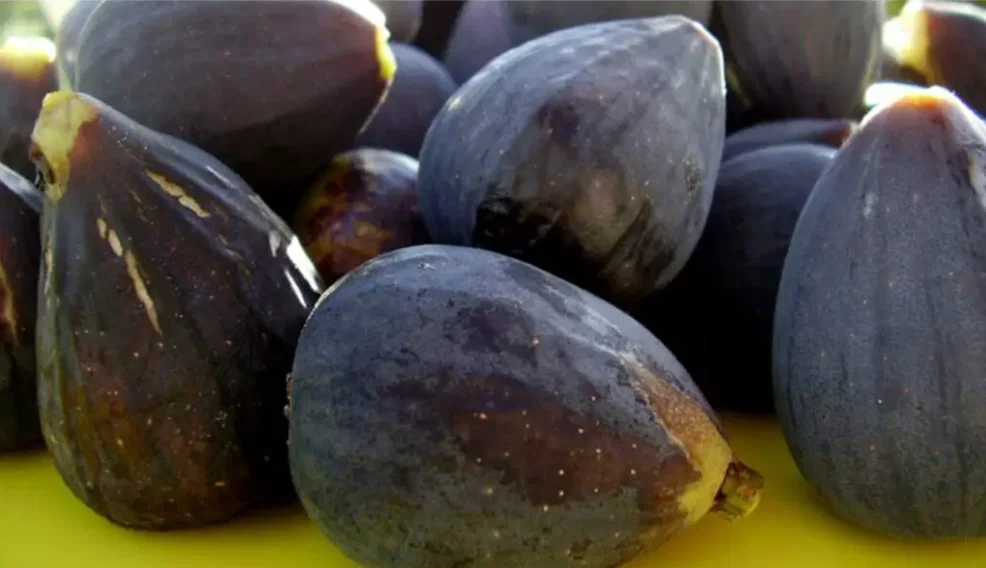
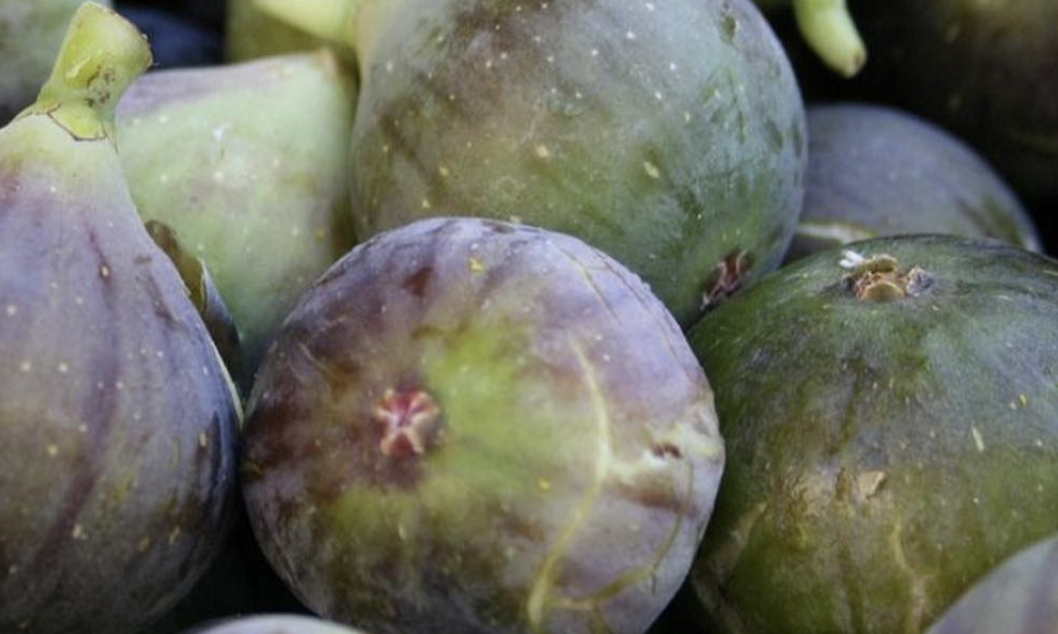
Driven by a desire for sustainable wellness, a growing number of individuals are looking away from the medicine cabinet and toward the pantry. Among the most intriguing traditional alternatives is a natural, cost-effective remedy centered on a Mediterranean staple: the fig.
The Anatomy of Aching: Why We Hurt
Before we address the remedy, we must address the “why.” Our lifestyles have become a perfect storm for physiological stress:
-
The Sedentary Trap: Hours spent hunched over desks.
-
Physical Strain: Jobs requiring heavy lifting or prolonged standing.
-
The Weight Factor: The compounding pressure of obesity on skeletal joints.
While identifying and fixing the root cause is the gold standard of healthcare, the immediate need for relief is a reality that cannot be ignored. Furthermore, the long-term use of synthetic painkillers carries its own baggage, often leading to secondary side effects that can complicate an already fragile health profile.
The “Dried Fruit Trio” Protocol
Proponents of holistic nutrition suggest that certain fruits possess properties that aid in tissue regeneration. By combining specific dried fruits, it is believed one can create a synergistic effect that supports the body’s structural integrity over time.
The Daily Regimen
The beauty of this remedy lies in its simplicity. There are no powders to mix or complex infusions to brew.
The Ingredients:
-
1 Dried Fig
-
5 Prunes
-
1 Dried Apricot
The Instructions:
To see results, consistency is the primary driver. You are advised to consume this specific combination of fruit every night before sleep for a duration of two months. This window is thought to allow the natural compounds enough time to interact with the body’s regenerative processes, potentially leading to a noticeable reduction in knee, back, and spinal discomfort.
Beyond the Spine: The Multi-Faceted Fig
The humble fig isn’t a one-trick pony. As a dense source of nutrients, its benefits extend far beyond joint support:
| Benefit Category | How Figs Help |
| Weight Management | High fiber content promotes satiety; 2–3 figs can be a powerful weight-loss aid. |
| Heart Health | Rich in phenols and Omega-3 and Omega-6 fatty acids, which help lower coronary risk. |
| Blood Pressure | A high-potassium, low-sodium profile helps balance the effects of hypertension. |
| Mental Well-being | Known for a naturally calming effect, useful for managing stress and anxiety. |
| Digestive Relief | Often used to alleviate the pain of hemorrhoids (especially when soaked overnight). |
A Note of Professional Caution
In the world of health, there is no such thing as a “miracle cure” that replaces professional oversight. While the nutritional profile of dried fruits is undeniably beneficial, it is essential to remember that home remedies should complement, not replace, a professional medical strategy.
Expert Recommendation: Always consult with your primary care physician or a specialist before beginning any alternative treatment plan to ensure it aligns with your specific medical history.
For those trapped in the cycle of chronic pain, the answer might not always be found in a new chemical compound. Sometimes, it’s hidden in the ancient wisdom of the orchard.
Has your physician ever discussed the role of anti-inflammatory nutrition as a bridge between your current treatment and long-term relief?