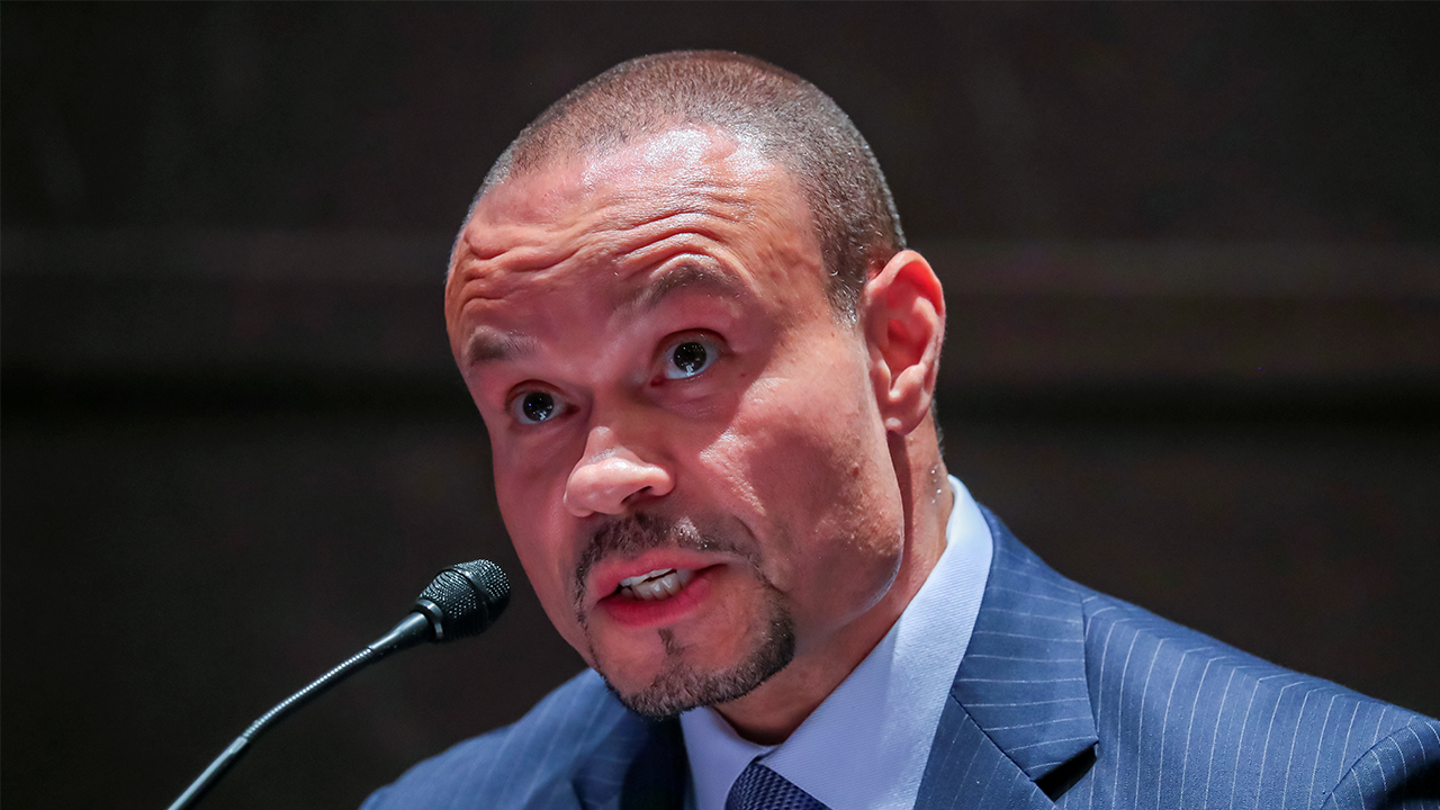
Bongino’s First Week at FBI Marks Aggressive Shift as Trump Administration Ends CHNV Immigration Program
In a bold and controversial move likely to spark intense debate, the Trump administration has officially revoked the parole status previously granted to over 500,000 unauthorized migrants under a program initiated by former President Joe Biden. The humanitarian parole initiative—known as the CHNV program—allowed individuals from Cuba, Haiti, Nicaragua, and Venezuela to enter the U.S. without traditional visas. Now, with just 30 days to voluntarily depart the country, those who relied on the program face a stark new reality.
This sweeping reversal signals a dramatic ideological and operational shift at the FBI and across federal immigration enforcement. Spearheaded during Dan Bongino’s first week as FBI Director, the decision reflects the administration’s broader push for stricter immigration enforcement and a return to rule-of-law principles in managing U.S. borders.
Below, we examine the CHNV program’s origins, its challenges, the rationale for its termination, and the broader implications—both political and humanitarian—of this policy change.
I. The CHNV Program: Origins and Intentions
A. Born from Crisis
The CHNV (Cuba, Haiti, Nicaragua, Venezuela) parole program was created in response to surging illegal border crossings amid regional instability and mounting humanitarian concerns. Its central aim was to offer a legal, regulated pathway into the U.S. for migrants from the four specified countries—particularly those fleeing violence, poverty, and political repression.
Under the Biden-era policy, eligible migrants could enter the U.S. with “parole” status, bypassing traditional visa requirements. Applicants were required to secure a sponsor already residing in the United States and travel through official airports, in an effort to prevent chaotic scenes at land border crossings and to ease the burden on Customs and Border Protection.
B. A Vision of Orderly Migration
Proponents argued the program offered a humane alternative to dangerous illegal crossings, protecting vulnerable populations while maintaining oversight and control. Supporters within the previous administration described the program as a pragmatic response to urgent geopolitical pressures, helping to de-escalate border crises and reduce reliance on cartels and smugglers.
By funneling migrants through structured, monitored processes, CHNV was also intended to prevent exploitation and enhance accountability. The hope was that requiring sponsors and mandating air travel would ensure better integration and reduce pressure on frontline enforcement agencies.
But as the program expanded, cracks in its effectiveness began to show.
II. Operational Breakdowns and Policy Concerns
Despite its intended benefits, the CHNV initiative soon faced criticism over fraud, lack of oversight, and increasing strain on social services. Reports emerged of migrants bypassing eligibility criteria, using forged documents, or exploiting loopholes in the vetting process. Additionally, state and local officials raised alarms about the cost of absorbing hundreds of thousands of new arrivals with uncertain legal status.
Critics within the Trump administration viewed the program as emblematic of a broader failure to enforce immigration laws. They pointed to its growing scale and administrative shortcomings as evidence that parole authority was being used not as a narrow humanitarian tool—but as a de facto mass immigration pipeline.
III. A New Direction: Enforcement and Expulsion
The termination of CHNV reflects a broader strategic reset under President Trump’s return to power. Framing the decision as a matter of national security and legal integrity, administration officials have vowed to reassert the rule of law at the southern border.
Migrants who entered the U.S. under CHNV will now have 30 days to depart voluntarily or face formal removal proceedings. In addition to revoking active parole grants, federal agencies will increase deportation operations and reassess the eligibility of those who overstayed or violated the program’s terms.
This marks one of the largest reversals of a Biden-era immigration policy to date—and the first major immigration enforcement action under Bongino’s leadership at the FBI. His appointment has signaled a more aggressive approach to both internal investigations and broader law enforcement coordination on issues like border integrity, national security, and immigration fraud.
IV. Political and Humanitarian Fallout
The announcement has already drawn sharp criticism from immigration advocates, Democratic lawmakers, and human rights organizations. They argue the move risks destabilizing already vulnerable populations and could push desperate individuals into even more dangerous migration routes.
Opponents also warn that ending the CHNV program without a viable alternative will only increase pressure on an already overwhelmed border infrastructure, potentially triggering new humanitarian crises.
Supporters of the administration, however, argue that the program was ripe for abuse and unsustainable in the long term. They see the rollback as a necessary correction to what they view as unchecked executive overreach and a weakening of immigration enforcement under the previous administration.
Looking Ahead
As federal agencies begin implementing the policy shift, legal challenges are expected, particularly from advocacy groups and states that previously supported CHNV. The courts may once again find themselves at the center of a broader fight over immigration powers, executive authority, and the future of parole programs.
One thing is clear: the end of CHNV and Bongino’s rapid-fire actions at the FBI mark the opening salvos of a new, hardline era in federal law enforcement and immigration policy—one that is certain to reshape the national conversation in the months ahead.