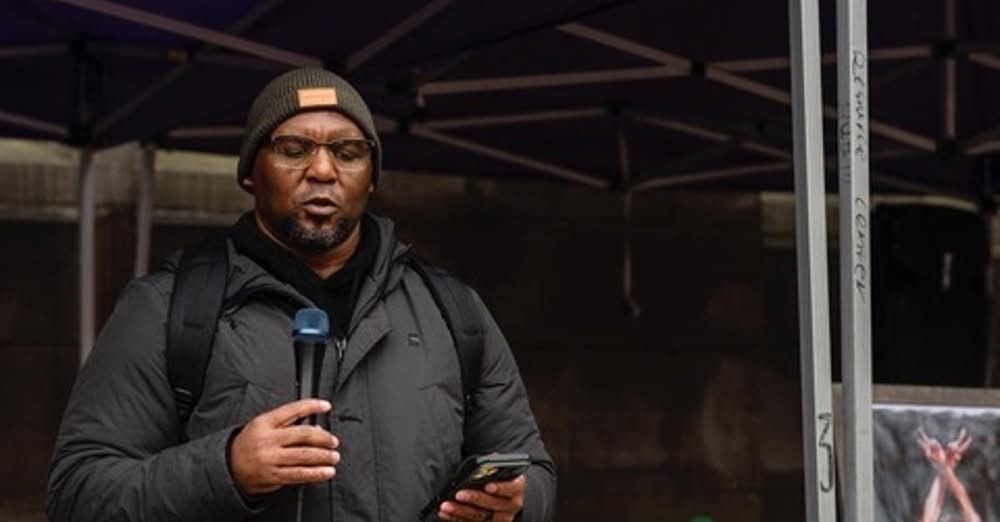
“The decision to leave America isn’t born from a single moment, but from a lifetime of accumulated experiences.”
It was 4 a.m. on Nov. 6, and my wife and I were sitting in the quiet dim of our Seattle living room, eyes fixed on the television as the latest election returns flickered across the screen. The numbers didn’t shock us — we’d been tracking the trajectory for months — but in the silence between us, a truth settled like a stone. We had already been planning our exit in an almost mechanical way: researching visas, saving money, finding academic placements. But that night, the abstract became concrete. We were done debating “if” and “when.” In that shared glance, without a word, we both knew: it was time to go.
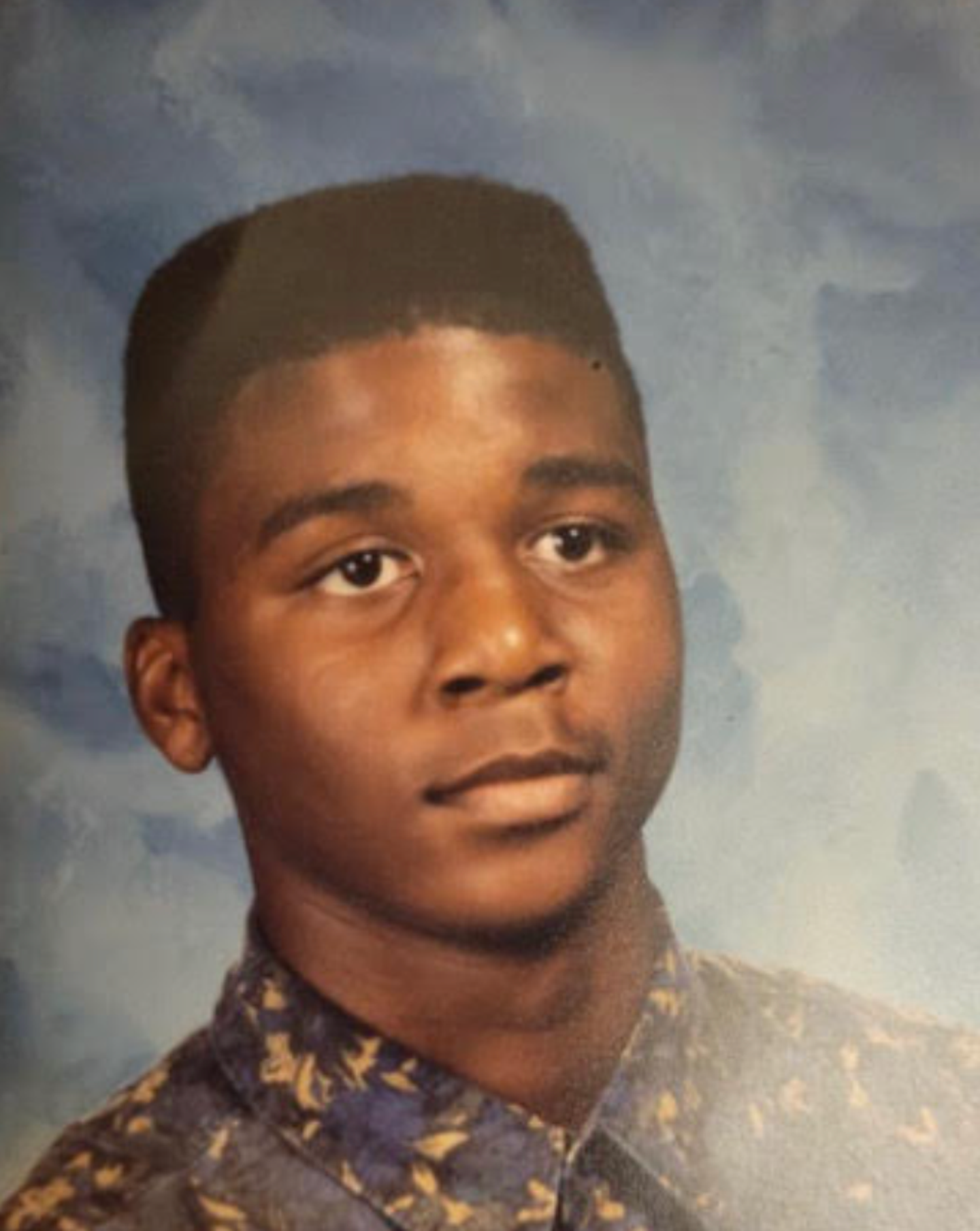
I grew up in Richmond, Texas, on the “other” side of the tracks. My grandfather used to call me a “peculiar Negro,” which at the time felt like both an insult and a prophecy. I was the boy who devoured X-Men comics, dated across racial lines, and spoke with what teachers called “perfect diction” — all things that somehow branded me a “sellout” before I was old enough to drive. I was never quite enough of one thing for one group, and always too much of another for everyone else. Those early lessons in moving between worlds became a survival skill, carrying me from a small-town upbringing to my current role as a diversity officer at a major research university in Seattle.
My decision to leave the United States is not the result of any single injustice, but of years of compounded realities. I served as an infantry soldier, absorbing the Army’s gospel of loyalty, duty, respect, selfless service, honor, integrity, and personal courage. Yet I saw firsthand how far this nation falls from those ideals. I still remember a drill sergeant at Fort Benning chanting racist cadences during a morning run, his voice carrying over the sound of boots hitting the gravel.
Last year, in Portland, I walked into a hotel lobby to check in. An unhoused man approached, asking for money. When I said I didn’t have cash, his voice flipped instantly from pleading to venom, punctuated with the word that has shadowed Black life in America for centuries. In that moment, all my degrees, professional titles, and accomplishments evaporated in his eyes. I was reduced to a single slur.
By mid-November, my wife and I had our pathway out. Though most academic doors were closed for the year, my Ph.D. in industrial-organizational psychology and her credentials with the U.K.’s Health and Care Professions Council got us accepted into programs overseas. We chose student visas for their flexibility.
The logistics were a maze: arranging international pet transport for our Scottish terrier, Rosco; selling property; negotiating with Seattle’s overheated housing market; liquidating assets. We are acutely aware that the very ability to make this choice is a privilege my grandfather could never have dreamed of when he first called me “peculiar.” In less than two months, we went from mapping an idea to booking flights to London.
Part of my push to leave comes from the state of diversity, equity, and inclusion (DEI) work in American academia. My own department has been supportive, but DEI as a whole exists on fragile ground: admired in mission statements, starved in resources. Unlike established fields with journals, research bodies, and a stable theoretical base, DEI is often treated as an ornamental add-on — valuable only until it becomes inconvenient. I’ve seen well-meaning but structurally hollow programs collapse overnight, as they did at George Mason University, Virginia Commonwealth University, and the University of Wyoming.
I built my career on blending the empirical rigor of industrial-organizational psychology with DEI principles, grounding equity in data and measurable outcomes. That approach should be common sense — it isn’t. And as political movements gain momentum to dismantle civil rights protections under initiatives like Project 2025, the national trajectory is clear. The writing isn’t just on the wall; it’s in flashing neon.
Even here in the Pacific Northwest, with its postcard beauty and self-congratulating progressivism, I’ve hit the wall of American liberalism. In many spaces, I am one of the few Black faces — sometimes the only one — producing a constant, contradictory state of hypervisibility and invisibility. You’re noticed and overlooked at the same time, carrying a psychological weight that doesn’t go away when you clock out.
My choice to leave isn’t about abandoning the fight. It’s about choosing a battleground where my humanity isn’t a perpetual negotiation. The facts speak for themselves: Black college graduates in America have less wealth than white high school dropouts. Black Americans have a life expectancy six years shorter than whites. The gaps are not closing. They are structural. They are intentional.
We’re now counting down to departure. I’ll celebrate my birthday the next day in London — a symbolic rebirth in a city with its own racism and inequities, but where the fight will be one I choose, not one imposed by birthright.
For those considering the same move: it requires money, planning, emotional stamina, and the readiness to start over. It’s not an escape from all struggle, but for me, it’s a conscious act of self-preservation. The constant hypervigilance of being Black in America, the labor of navigating both others’ biases and the institutional machinery that reinforces them, is a tax I am no longer willing to pay.
My grandfather saw it in me decades ago — that “peculiar” quality. Maybe it was always this: the willingness to imagine a future where peace and prosperity don’t require me to shrink to fit inside someone else’s idea of who I’m allowed to be.
This is not a universal solution. But it is my story — a personal decision shaped by history, resilience, and the belief that sometimes the most radical thing you can do is refuse to remain where you’re not meant to thrive. As we pack our lives into shipping crates, we carry not just our possessions, but the full, complicated legacy of our American experience: the pain, the endurance, and the unshaken hope that somewhere else, we might finally breathe.