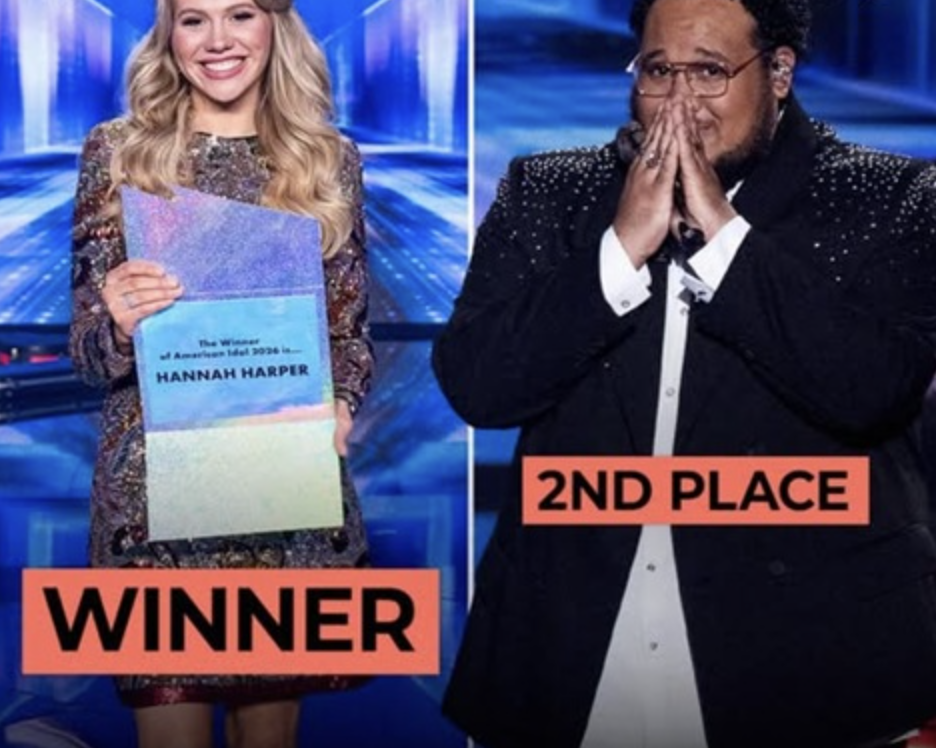
There is a specific kind of atmospheric pressure that only exists inside a television studio during a three-hour live finale. It is a mix of hairspray, adrenaline, and the palpable anxiety of three young artists standing on the precipice of a life-altering payday. But as the curtain fell on the 24th season of American Idol, the electricity didn’t dissipate—it curdled into a nationwide debate that has left the show’s massive fanbase fractured.
What was billed as a celebration of vocal prowess evolved into one of the most emotionally volatile and controversial nights in the franchise’s two-decade run. By the time the confetti settled, a winner had been crowned, a frontrunner had been shockingly ousted, and social media had become a digital battlefield.
Round One: The Alicia Keys Masterclass
The evening began with a high-stakes tribute to R&B royalty, as the final three—Hannah Harper, Jordan McCullough, and Keyla Richardson—were tasked with navigating the songbook of mentor Alicia Keys.
Harper, the season’s resident indie-spirit, took the first gamble. She stripped the urban anthem “No One” down to its studs, rebuilding it with a haunting folk and bluegrass skeleton. It was a move that could have backfired; instead, it mesmerized.
“You didn’t just sing it, Hannah; you reimagined it,” Lionel Richie noted, visibly impressed by the transformation. Luke Bryan, leaning into the pastoral vibes, remarked that the performance felt like “walking through a beautiful garden”—a testament to the delicate, original touch Harper has maintained since her first audition.
Keyla Richardson followed, pivoting the mood toward raw soul with “Unthinkable.” Throughout the season, Richardson has been the gold standard for technical precision, and this performance was no exception.
“You’re not just a contestant anymore; you’re a peer,” Carrie Underwood told her, acknowledging that Richardson’s vocal control was already at a professional touring level. Luke Bryan echoed the sentiment, praising a “tenacious consistency” that many believed would carry her to the winner’s circle.
Closing the set, Jordan McCullough took on the daunting “If I Ain’t Got You.” It was a “money” performance—a term reportedly used by Keys herself during rehearsals—that showcased McCullough’s easy charisma and stadium-ready belt. At the end of the first hour, the competition was a dead heat, with the judges and the audience seemingly paralyzed by the caliber of talent on display.
The Pivot to the Personal
The second act of the finale stripped away the covers, asking the finalists to offer a piece of their own stories.
Harper leaned into her roots with “Married Into This Town,” an original piece dedicated to her husband and her community. It was a calculated risk that paid off in emotional dividends, moving Underwood to tears. “You started this journey with your own words, and you’re ending it the same way,” Underwood said, highlighting Harper’s refusal to fit the “Idol” mold.
Richardson countered with a soaring rendition of “I Love the Lord,” a nod to her Pensacola upbringing that felt more like a spiritual experience than a television segment. The performance was so gut-wrenching that Underwood was once again left weeping, unable to hide her connection to Richardson’s gospel-inflected delivery.
McCullough rounded out the segment with “Dear God,” a performance of such power that it prompted a rare moment of levity from the panel. “Can we just call it a three-way tie?” Underwood joked. The laughter, however, was a thin veil for the tension that was about to break.
The Shock That Silenced the Room
The “Idol” stage is built on dreams, but its engine is the brutal reality of the popular vote. When Ryan Seacrest stepped into his “dim the lights” persona, the collective breath of the audience held.
Then came the blow: Keyla Richardson was eliminated.
The reaction was instantaneous. The studio audience fell into a stunned hush before a wave of audible gasps took over. Richardson, arguably the most technically gifted vocalist in the top three, would not even see the final two. Within seconds, the digital landscape was ablaze. On X (formerly Twitter) and Reddit, the “robbery” of Keyla Richardson became the trending topic of the night, with fans pointing to her flawless track record as evidence that the voting system had moved away from talent and toward “likability” or “genre bias.”
The Final Duel and a Divided Crown
Left to pick up the pieces were Harper and McCullough. In the final round, both returned to their origins, performing their audition songs to show the arc of their growth.
Harper revisited “String Cheese,” the quirky original that first charmed the judges months ago. McCullough opted for the worship-infused “Goodness of God,” earning one last standing ovation and reminding the country of his immense vocal ceiling.
When Seacrest finally announced Hannah Harper as the Season 24 champion, the response was a microcosm of the current cultural climate: total polarization.
-
The Celebration: Harper’s supporters championed her as a breath of fresh air—a songwriter who didn’t need vocal acrobatics to tell a story.
-
The Outcry: Critics flooded Facebook and Instagram with cries of “Rigged!” and “America got it wrong,” insisting that McCullough or the ousted Richardson were the true heirs to the throne.
A Pattern of Discontent
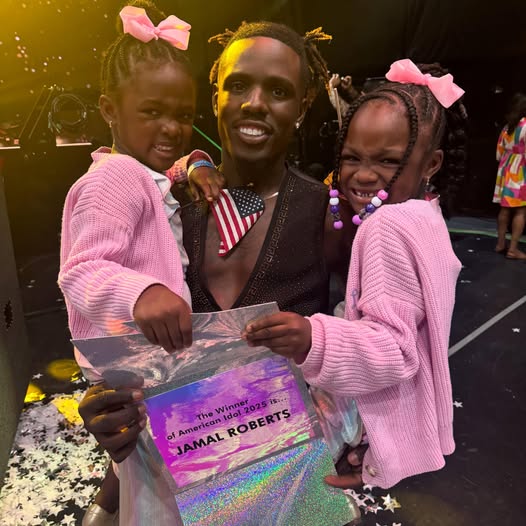
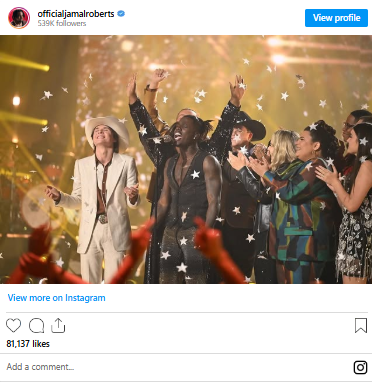
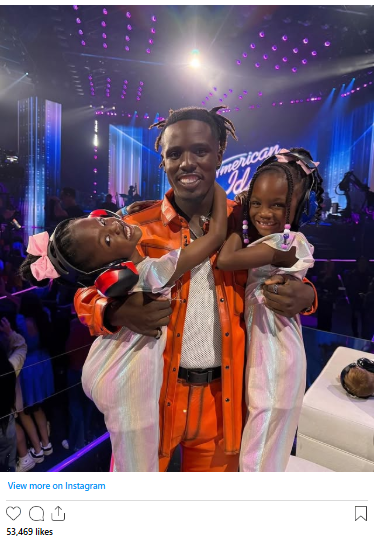
This level of vitriol is not new for the franchise. Veteran viewers were quick to draw parallels to Season 23, when Jamal Roberts’ win over John Foster sparked a nearly identical firestorm. It seems that as “Idol” ages, the gap between “the best singer” and “the most popular artist” continues to widen, creating a perennial cycle of finale-night friction.
Ultimately, Season 24 did exactly what a reality titan is supposed to do: it made us care. Whether Hannah Harper is the “right” winner is a question that will be debated until the Season 25 premiere. But for one night in Hollywood, the drama off-stage was just as compelling as the music on it.
The crown belongs to Hannah Harper, but the conversation—messy, loud, and passionate—belongs to the fans.
How do you feel about the trend of “originality” beating out “technical vocalists” in recent seasons—is it a sign of a maturing audience, or is the “Idol” brand losing its way?