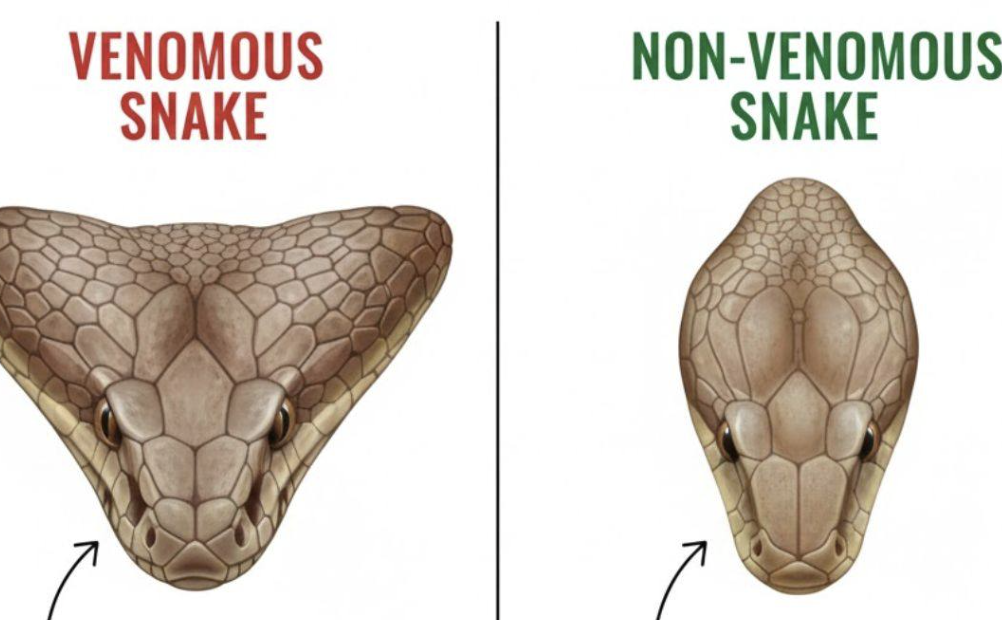
The strike of a snake is one of nature’s most abrupt disruptions. One moment you are going about a routine afternoon; the next, everything changes. There is rarely a dramatic warning. Instead, it is usually a single careless step on a hiking trail, an outstretched hand into a garden bed, or an ordinary chore that turns a familiar space into an emergency room.
During the warmer months, our farms, backyards, and wilderness trails effectively become silent hunting grounds. In these environments, a single misstep can carry devastating consequences, threatening limbs or even life itself. Yet, as emergency responders and medical professionals will tell you, the true danger of a snakebite doesn’t end when the fangs release. The real turning point is what you choose to do in the minutes that follow.
The Extraordinary Danger of Ordinary Moments
There is a common misconception that snakebites only happen to deep-wilderness explorers or those handling wildlife. In reality, they are overwhelmingly domestic. Bites happen when you are hanging out the washing, stacking firewood against the fence, or walking through long grass to open the garden shed.
In snake-prone regions like Australia, thousands of people face these encounters every year, often just meters from their own front doors. The initial shock of a bite is entirely natural, but it is also the first major hurdle. Panic accelerates the heart rate, pumping venom through the bloodstream at a faster pace. Ultimately, survival often has less to do with the specific snake involved and much more to do with the speed, clarity, and calmness of the human response.
Fortifying Your Space and Yourself
Preventing a crisis is always preferable to managing one, and reducing your risk starts with changing the environment around you. Snakes are driven by simple needs: shelter, water, and food. By making your property less inviting to them, you drastically lower the chances of an unwanted encounter.
Keeping yards tidy and vegetation closely trimmed removes their hiding spots. Sealing gaps under doors, clearing away debris, and actively managing rodent populations eliminates both their shelter and their primary food source. When you are working outside or walking through potential habitats, simple physical barriers offer excellent defense. Heavy boots, thick long pants, and sturdy work gloves can mean the difference between a terrifying near-miss and a deep, envenomed puncture.
The Critical Minutes: Protocol for a Crisis
When prevention fails and a bite does occur, the clock begins to tick immediately. In these moments, clear-headed action is your most valuable asset. The first rule of snakebite first aid is absolute: treat every single bite as venomous, regardless of what you think the snake looked like.
First, keep the patient as still and calm as possible to slow the spread of venom. Immediately call emergency services to get professional medical help on the way.
Next, apply a firm pressure immobilization bandage, wrapping it tightly over the bite site and up the entire limb, much like you would treat a sprained ankle. It should be snug, but not so tight that it cuts off blood circulation.
Crucially, you must immobilize the limb completely using a splint, keeping it at or below the level of the heart.
Finally, do not wash, cut, or suck the wound. Leaving the venom on the skin allows medical professionals to swap the site later and accurately identify the snake species, ensuring the correct antivenom is administered.
A snakebite is a terrifying moment, but it does not have to be a fatal one. With swift, knowledgeable action, a medical crisis can end in profound relief rather than tragedy.