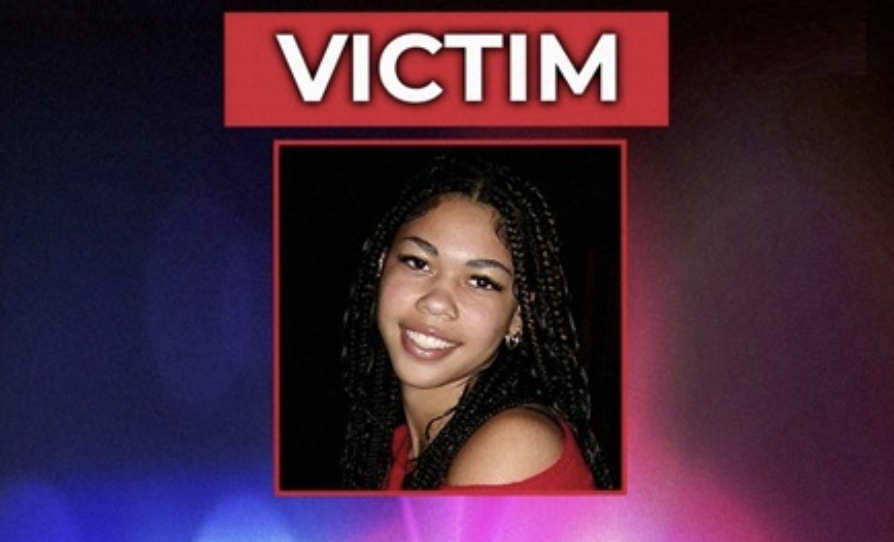
In a tight-knit community like Moberly, everyone knows the rhythms of their neighbors’ lives. It is the kind of Midwestern town where teenagers spend their Friday nights under the stadium lights, where families stay rooted for generations, and where a missing child is not just a headline, but a collective nightmare.
On May 6, 2026, that nightmare became a reality for the Huff family. Kayla Rose Huff, a 16-year-old bundle of energy known affectionately to everyone as “Kayla Bug,” vanished. What began as a frantic, localized search quickly spiraled into a complex criminal investigation, plunging this quiet pocket of Randolph County into a state of profound grief and searching for answers.
Kayla was, by all accounts, the very definition of a vibrant American teenager. A student at Moberly High School, her presence was felt across campus, whether she was sprinting down the track or driving toward the hoop on the basketball court. Teachers and classmates remember her not just for her athleticism, but for a pervasive kindness that made her easily approachable and widely loved. At home, she was the glue in a tight sibling circle, dividing her free time between typical teenage gaming sessions and the comforting, everyday routines of a supportive household.
When she failed to show up, the alarm bells rang instantly. This was a girl deeply anchored to her family; her sudden absence was a jagged tear in the fabric of their daily life. Within hours of the initial report, the community mobilized with a speed born of desperation.

The Search in the Shadows
The initial response was a masterclass in community solidarity. Law enforcement agencies, seasoned volunteers, and everyday citizens dropped everything to scour Randolph County.
Digital avenues were flooded within minutes. Flyers bearing Kayla’s bright smile saturated social media feeds, turning cell phone screens across Missouri into digital missing-person billboards. For the residents of Moberly, the effort was intensely personal. Kayla wasn’t a stranger; she was the girl next door, the classmate, the teammate.
As the hours bled into days, the atmosphere in the town shifted from urgent optimism to a heavy, suffocating anxiety. The search grid expanded far beyond the manicured lawns of Moberly. Search and rescue teams pushed deep into the rugged periphery—navigating dense, unforgiving wooded areas, tracing remote rural roads, and combing through nearby conservation lands.
Squads of volunteers walked shoulder-to-shoulder through tall brush, while online communities kept a relentless vigil, dissecting every digital footprint in the hope of unearthing a viable lead. Yet, for a grueling week, the wilderness kept its secrets. The police followed a trickling stream of tips and reported sightings, but early progress was frustratingly stagnant, leaving a devastated family to twist in the agonizing wind of the unknown.
A Grim Discovery in the Woods
The breakthrough everyone dreaded arrived on May 13, 2026. A civilian, walking through the dense, remote acreage of the Rudolf Bennitt Conservation Area, stumbled upon human remains. The geography of the site—thickly forested, rugged, and deliberately secluded—instantly shifted the posture of the investigation.
First responders and forensic teams swarmed the area, cordoning off the woods to preserve whatever fleeting evidence remained. The grim formality of the process concluded the following day. On May 14, the Randolph County Sheriff’s Office delivered the news that broke the community’s heart: the remains were officially identified as Kayla Rose Huff.
In a somber public address, Sheriff Andy Boggs offered condolences to a family facing unimaginable sorrow, pausing to credit the tireless, agonizing work of the volunteers who had refused to give up hope. With that announcement, the paperwork changed. It was no longer a missing person case. It was a death investigation.

Anatomy of a Conspiracy: The Legal Machinery Moves
As the shockwaves settled into grief, the gears of justice began to turn with startling velocity. Behind the scenes, investigators were unravelling a narrative far more sinister than a teenager simply wandering into danger.
In the days following the discovery, law enforcement detained multiple individuals. According to preliminary court documents and probable cause statements, the state alleges that Kayla’s death was not a random tragedy, but the culmination of a coordinated plot that began the night before she disappeared.
Investigators began piecing together a timeline that focused heavily on vehicle tampering. The state alleges that a group of individuals deliberately interfered with Kayla’s car on the eve of her disappearance—a targeted act that authorities believe set the trap for the events that followed.
The allegations grew progressively darker. Subsequent court filings outlined a calculated abduction involving several suspects who allegedly used a vehicle to forcibly transport the 16-year-old into the isolated depths of the conservation area. Pieces of physical evidence began to emerge, seized during targeted raids on residences tied to the suspects. Furthermore, authorities revealed that some of the detained individuals had already given statements to law enforcement detailing their involvement in the plot.
To date, the judicial process has yielded preliminary charges against several suspects, ranging from kidnapping to tampering with physical evidence. Because the investigation remains fluid and highly active, prosecutors have hinted that these charges could evolve or escalate as grand juries review the mounting evidence. Amid the adult suspects sits a minor, whose arrest was confirmed by officials, though statutory protections keep their specific role cloaked in anonymity.
A Note on the Legal Process: It is a foundational tenet of the justice system that these early investigative materials, though damning in print, are currently strictly allegations. The individuals arrested remain clothed in the presumption of innocence until they are fully adjudicated in a court of law.
Grieving in the Public Eye
For the Huff family, the horror of losing Kayla has been compounded by the harsh glare of public and media scrutiny. In the wake of her discovery, a community fundraiser was launched to buffer the family against the sudden financial weight of a funeral and the long road of psychological recovery. The response was a testament to the town’s empathy, with donations and tributes pouring in from friends and strangers alike.
Yet, grief in the digital age is rarely private. Kayla’s father recently spoke out, taking direct aim at the media ecosystem surrounding the case. He disputed several viral claims and expressed a profound frustration with inaccurate reporting, sensationalized theories, and the agonizing delay of news outlets in correcting the record. His words served as a stark reminder of the secondary trauma inflicted on a grieving household when a private tragedy becomes public property.
On the digital front, the collective mood has curdled from grief into a fierce, localized demand for justice. Social media channels remain ablaze with anger and sorrow. But offline, Moberly is choosing to remember the light rather than the dark.

Plans are currently underway for a massive Celebration of Life. The service is being designed not to focus on the horrific circumstances of her death, but on the joy of her life—her laughter, her competitive spirit on the court, and the indelible marks she left on those who loved her.
The courtroom battles will likely drag on for months, perhaps years, as prosecutors meticulously build their case. Many questions remain under lock and key, protected by a police department determined not to compromise the impending trials.
But for the people of Moberly, the ultimate resolution of the legal system is a secondary comfort. The true loss is permanent. As a small town tries to heal, they carry forward the memory of “Kayla Bug”—a kind, vibrant girl who loved her family, ran fast, and was taken far too soon.