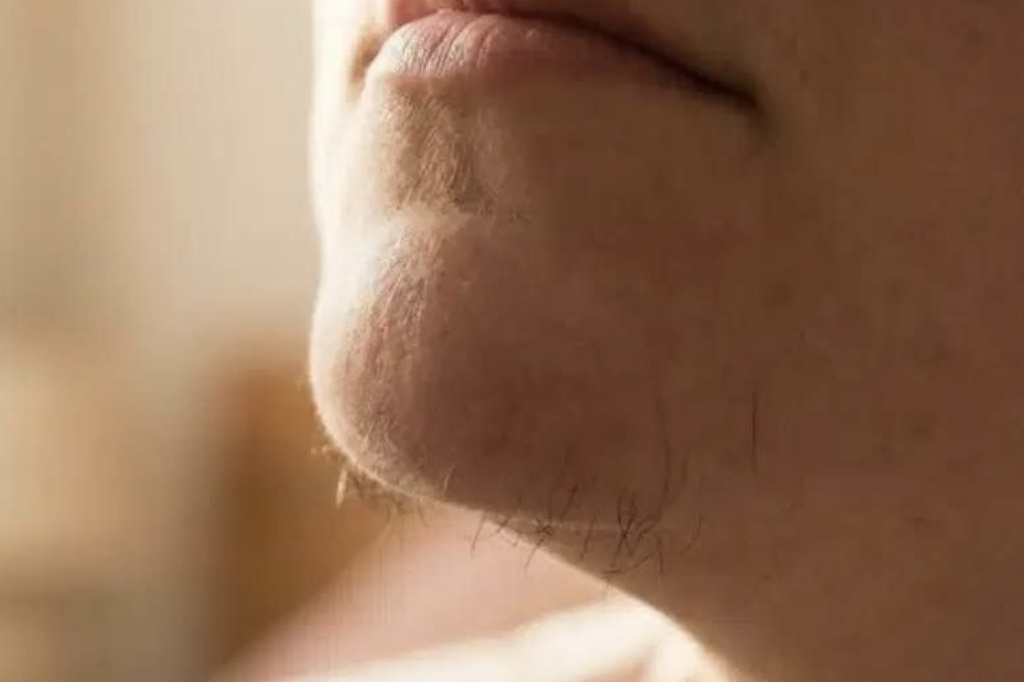
It starts with a glance in the bathroom mirror—a sudden, unexpected catch of the light. There, sprouted overnight on your chin, are a few dark, stubbornly coarse hairs. While the initial reaction is often a mix of surprise and a reaching for the tweezers, the reality is that for the vast majority of women, this is a completely normal biological quirk.
However, when that sporadic stray transforms into a frequent, thick, or rapidly multiplying pattern, your body is sending a broadcast. This cosmetic shift is often a visible, tactile clue that your internal hormonal symphony is playing out of tune.
To understand what your body is trying to communicate, we have to look behind the curtain at the endocrine system—and know exactly when it’s time to trade the tweezers for a medical consultation.
The Biological Blueprint: The Role of Androgens
The primary driver behind this sudden textural shift is a group of hormones called androgens. While frequently mislabeled strictly as “male hormones,” androgens—including testosterone—are a vital component of the female anatomy. In healthy, balanced amounts, they are the quiet workhorses behind a regulated libido, muscle strength, bone density, and standard hair growth.
The tipping point occurs when androgen levels tick upward, even by a fraction. This slight hormonal surge triggers a transition in the hair follicles, shifting them from producing soft, barely-visible vellus hair to terminal hair growth—the dark, coarse, and deeply rooted strands typically mapped out in male patterns, such as the chin, upper lip, chest, or lower abdomen. In the medical community, this clinical presentation is known as hirsutism.
Decoded: The Core Drivers of Excess Facial Hair
Hirsutism is rarely an isolated event; rather, it is a symptom of an underlying systemic shift. Investigating the root causes generally leads clinicians down one of five distinct pathways:
1. Polycystic Ovary Syndrome (PCOS)
By wide margins, PCOS stands as the most frequent architect of hormonal chin hair in women of reproductive age, affecting an estimated 5% to 10% of the population. The condition operates at the intersection of metabolic and endocrine dysfunction, typically fueled by a combination of insulin resistance and elevated androgens.
-
The Broader Picture: Chin hair from PCOS rarely travels alone. It is almost always accompanied by a cluster of other symptoms, including chronically irregular menstrual cycles, stubborn adult acne, unexplained weight gain, and androgenic alopecia (the thinning of hair at the scalp).
2. The Natural Shift: Aging and Menopause
Biology rewrites its playbook as time goes on. As women transition through their 40s and 50s, estrogen production naturally begins to wane. As these female hormones decline, the ratio shifts, leaving existing androgens with a more dominant, uncontested influence over the body. Even if your androgen levels haven’t actually increased, this shift in balance is enough to turn previously fine, blonde facial fuzz into coarser, darker terminal hairs, particularly concentrated on the chin.
3. Idiopathic Hirsutism
Sometimes, the medical diagnostic toolkit yields no definitive answers. When a patient presents with excess facial hair but boasts perfectly balanced hormone panels and regular menstrual cycles, it is classified as idiopathic—meaning it arises from an unknown origin. In these instances, the culprit isn’t an overproduction of hormones, but rather an innate, heightened sensitivity within the hair follicles themselves to completely normal levels of androgens. This trait is deeply tied to genetics and is frequently observed running through families, particularly those of Mediterranean, South Asian, or Middle Eastern descent.
4. Pharmaceutical Triggers
The human body is highly reactive to chemical introductions, and several common medications can inadvertently stimulate terminal hair growth as a secondary side effect. Key pharmaceuticals to watch include:
-
Anabolic steroids
-
Certain formulations of oral contraceptives (though rare)
-
Minoxidil (commonly known as Rogaine)
-
Specific classifications of anti-seizure medications
5. Rare Endocrine Conditions
On the rarest end of the diagnostic spectrum lie deeper adrenal and hormonal disorders. These conditions require rigorous clinical intervention and include Cushing’s syndrome (characterized by a dangerous overproduction of the stress hormone cortisol), Congenital Adrenal Hyperplasia, and exceedingly rare androgen-secreting tumors.
Note: Unlike standard hormonal fluctuations, these rare conditions almost never manifest as just facial hair; they present alongside profound, systemic symptoms such as rapid, unexplained weight gain, a distinct deepening of the vocal register, and severe, treatment-resistant acne.
Clinical Boundaries: When to See a Doctor
While a few stubborn chin hairs are a routine part of the human experience, certain red flags necessitate an appointment with a healthcare professional or endocrinologist. You should seek a professional medical evaluation if you observe any of the following:
-
A Sudden Onset: The appearance of coarse chin or facial hair that develops rapidly or aggressively out of nowhere.
-
Male-Pattern Spread: New hair growth anchoring in areas outside the face, such as the chest, lower abdomen, or inner thighs.
-
Systemic Disruption: Facial hair paired with irregular or missed menstrual periods, cystic acne, or noticeable hair loss on the crown of your head.
-
Signs of Virilization: The sudden development of a deepening voice, a rapid increase in muscle mass without a change in lifestyle, or clitoral enlargement. These specific symptoms require immediate, urgent medical care.
Ultimately, a few stray hairs are nothing to fear. But paying attention to how, when, and where they appear ensures you stay ahead of your health, allowing you to treat the root of the issue rather than just managing the symptom.