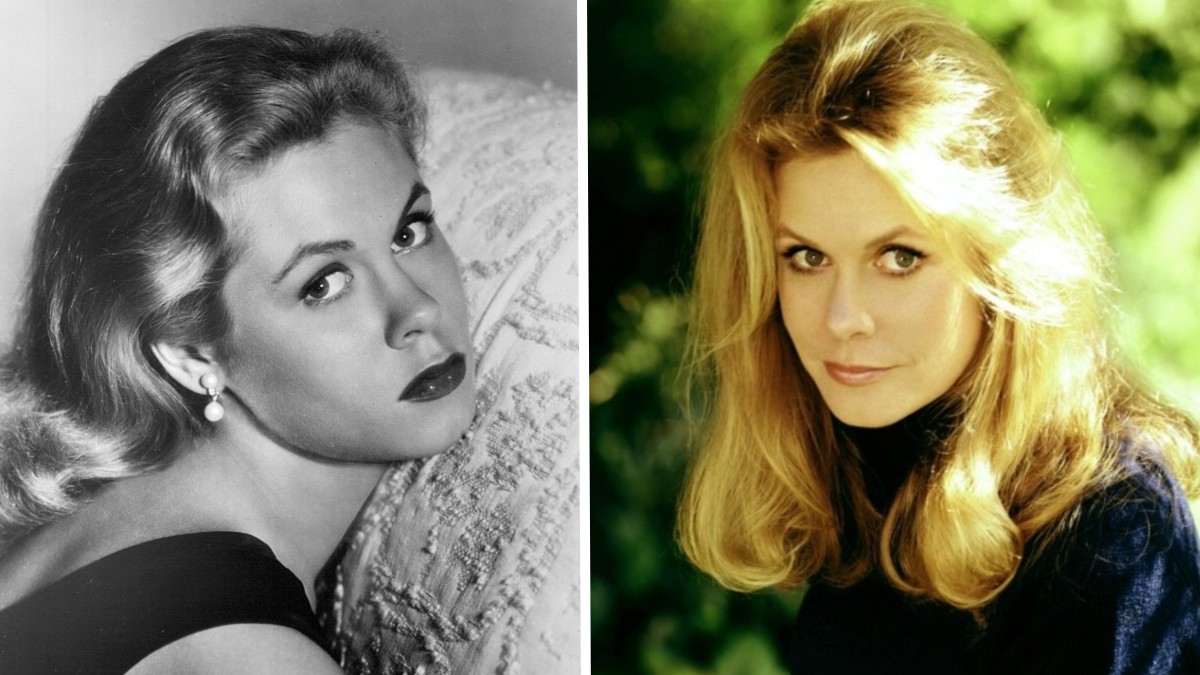
For many, the name Elizabeth Montgomery doesn’t just conjure an image; it triggers a sound—that iconic, crystalline twinkle that punctuated the most famous nose twitch in television history. As the enchanting centerpiece of Bewitched, Montgomery didn’t just occupy a slot in the 1960s prime-time lineup; she became a global phenomenon and a permanent fixture in the cultural zeitgeist.
While we’ve spent years at Newsner chronicling the lives of the world’s most captivating women, there was always something singular about Elizabeth. She stole hearts effortlessly, possessing a rare, luminous quality that defied the need for Hollywood artifice. In an industry where most stars are constructed by a village of makeup artists and hairstylists, Montgomery was a defiant natural beauty. Watching her as Samantha Stephens wasn’t just entertainment; it was a masterclass in charm.
Yet, behind the magic was a career cut tragically short. In 2024, she would have celebrated her 91st birthday, a milestone she never reached due to her sudden and untimely passing in 1995. It begs the question: What became of the woman behind the wand after the curtains fell on Bewitched?
To understand her trajectory, one must look at the blueprint of her life. Born in Los Angeles on April 15, 1933, Elizabeth was the product of a true Hollywood dynasty. With a Broadway actress for a mother and a cinematic titan for a father, the stage was set before she ever stepped onto it.
“Dad tells me I often climbed on his lap after dinner and remarked, ‘I’m going to be an actress when I grow up,’” she recalled in a 1954 interview with the Los Angeles Times. “I don’t know whether he encouraged me or not, but he told me he would humor me and would tell me to wait and see what happened when I grew up.”
That father was Robert Montgomery, a man whose acclaim in the industry cast a long shadow. Elizabeth, however, navigated that legacy with a refreshing lack of ego.
”I’ll be real honest and say that Daddy did help me get a break in TV and I’m really grateful for his assistance and guidance,” she admitted. “He’s my most severe critic, but also a true friend as well as loving father.”
It was this foundation of discipline and inherited talent that allowed her to transcend being “Robert’s daughter” and become the legendary figure who continues to enchant audiences decades later.
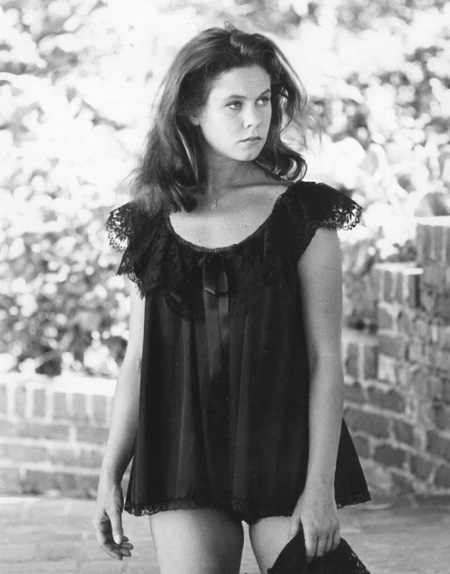
The narrative of Elizabeth Montgomery’s life eventually shifted from the sun-drenched campuses of California to the sophisticated streets of New York City, where she attended the prestigious Spence School. Seeking to refine the raw talent that ran in her veins, she spent three years honing her craft at the American Academy of Dramatic Arts.
While still in the bloom of her teens, she stepped into the professional spotlight on familiar ground, making her television debut on her father’s acclaimed series, Robert Montgomery Presents. It wasn’t a one-off appearance; she became a recurring presence on his show, proving she could hold her own alongside a veteran of the craft.
The momentum of her early career was relentless. By 1953, she had conquered the stage with her Broadway debut in Late Love. Hollywood soon came calling, and in 1955, she made her cinematic bow in The Court-Martial of Billy Mitchell. Yet, the pull of the theater remained strong, drawing her back to the Broadway boards just two years later.
But as her professional star ascended to ever-greater heights, her personal life mirrored the dramatic ebbs and flows of the scripts she performed. Elizabeth found love frequently as her career advanced, yet permanence remained elusive; her early romances burned bright, but they never seemed to last.
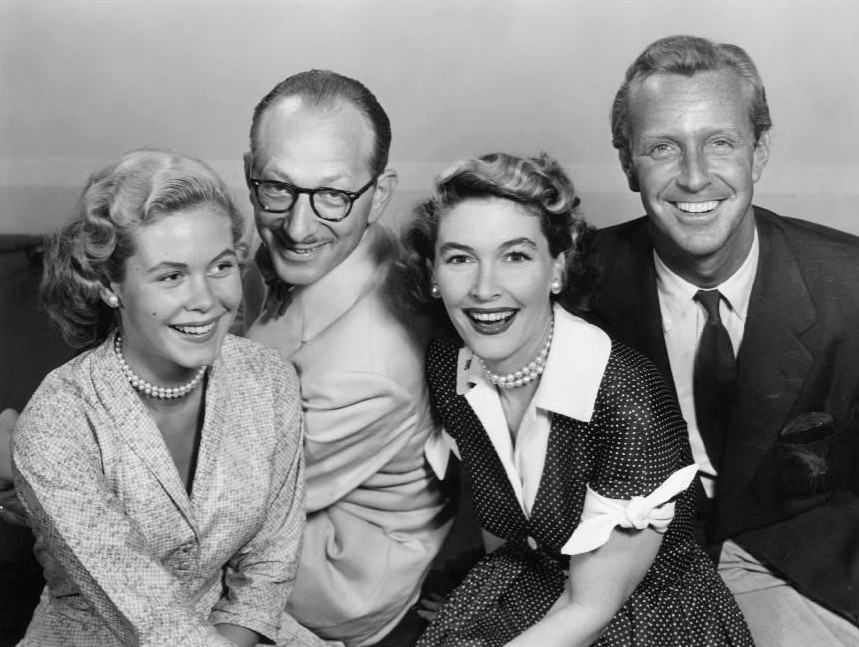
Her journey through the complexities of the heart began in earnest in 1954, when she wed Frederick Gallatin Cammann—a union that dissolved after just one year. By 1956, she had found a partner in the industry, marrying the award-winning actor Gig Young. However, after seven years, that chapter also closed with their divorce in 1963.
It was on the set of the film Johnny Cool that the trajectory of her life changed forever. There, Elizabeth met William Asher, a formidable director and producer whose influence would prove as profound on her career as it was on her personal life. The creative and romantic sparks were undeniable; the pair married in late 1963 and eventually welcomed three children into their world.
While her resume was already becoming a curated gallery of mid-century television—with standout performances in prestigious anthology series like Alfred Hitchcock Presents, The Loretta Young Show, The Untouchables, and The Twilight Zone—true immortality was just around the corner. It arrived in the form of a Suburban sorceress named Samantha Stephens. Bewitched didn’t just offer her a starring role; it gave her the twitch that would define a generation of magic.
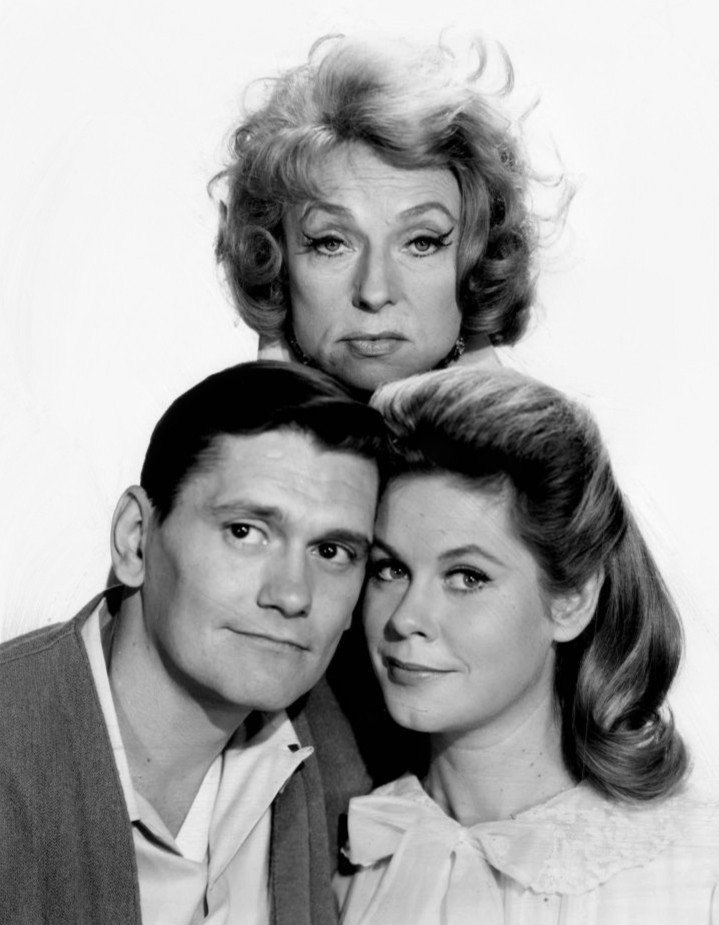
The supernatural comedy, which cast its spell over the airwaves for eight seasons between 1964 and 1972, didn’t just succeed—it propelled Elizabeth into an entirely different stratosphere of stardom. Overnight, she became a household name, leaving audiences across the globe exhausted from trying to replicate that inimitable, lightning-fast nose twitch.
It was a commitment she hadn’t initially sought out. ”I’d never thought much about a series because I liked the idea of picking a script I liked with a character I thought I could sustain for an hour,” Elizabeth admitted to the AP in 1965. “In a series, you live with one character day in and day out—and you only hope it will be one that will not drive you crazy.”
Fortunately for the viewers, Samantha Stephens was a character she inhabited with grace and wit. Her technical precision and comedic timing did more than just win over fans; they commanded the respect of her peers. By the time her tenure on the show ended, she had amassed an impressive haul of critical acclaim, including five Primetime Emmy nominations and four Golden Globe nods, cementing her legacy as one of the era’s most celebrated leading ladies.
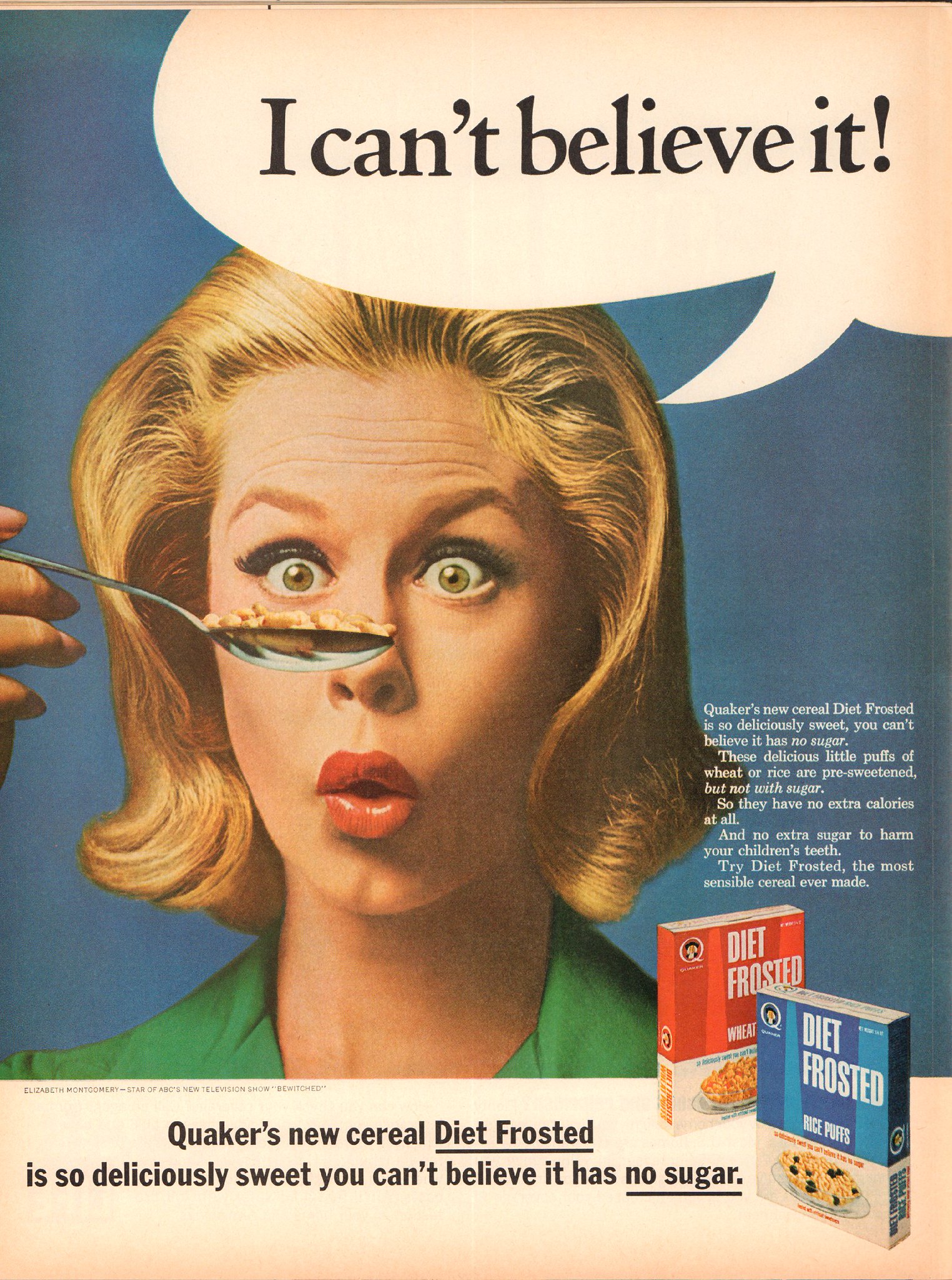
Once the final curtain fell on Bewitched and her marriage to Asher reached its conclusion, Elizabeth made a pivot that surprised the industry. She deliberately distanced herself from the suburban magic of Samantha Stephens, reinventing her image through a series of gritty, high-stakes made-for-television movies that stood in stark contrast to her comedic past.
She took on haunting and complex roles in productions like Mrs. Sundance (1973), the groundbreaking A Case of Rape (1974), and the chilling The Legend of Lizzie Borden (1975). Her later work continued this dramatic streak, with titles such as Black Widow Murders (1993), The Corpse Had a Familiar Face (1994), and Deadline for Murder: From the Files of Edna Buchanan (1995).
It was on the set of Mrs. Sundance that she found a lasting partnership with Robert Foxworth. The two became an inseparable pair, remaining together for the rest of her life, though they waited until 1993 to officially exchange vows.
“Before Jane Seymour, before Lindsay Wagner and before Valerie Bertinelli, Elizabeth was the first Queen of the TV movies,” noted Herbie J Pilato, author of two biographies on the star. “She went from queen of the witches to queen of the TV movie, and it was no longer a struggle to break away from Bewitched.” By tackling such heavy, realistic subject matter, she successfully shed her supernatural persona and proved her depth as a dramatic powerhouse.
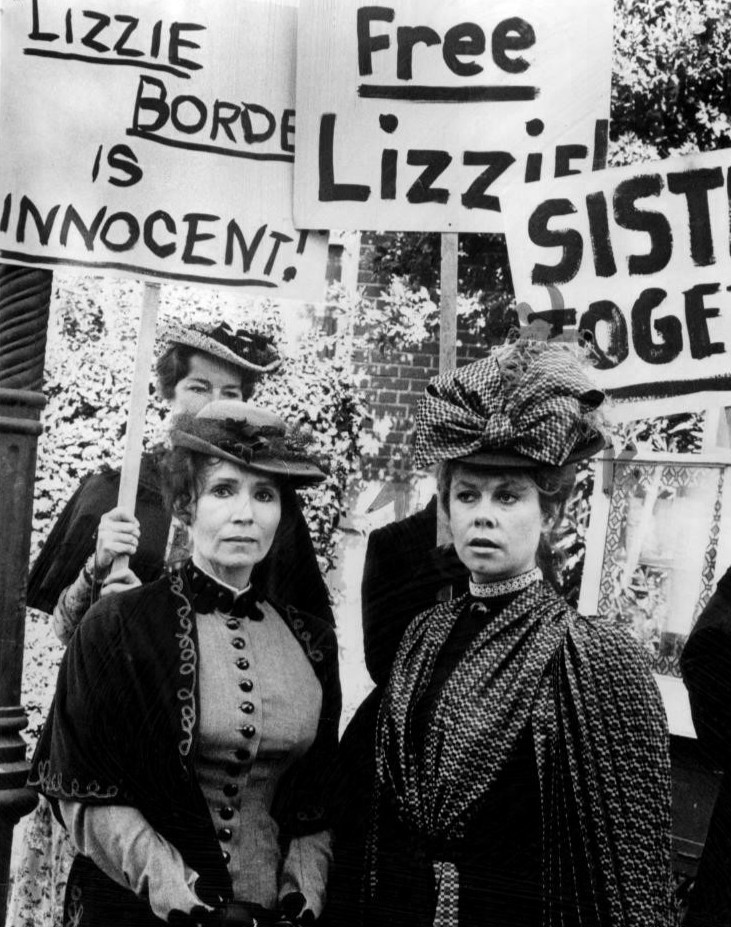
The narrative reached a tragic and abrupt conclusion in the spring of 1995. Elizabeth had been engaged in a quiet, courageous battle with colon cancer—a fight that ended on May 18 of that year. Even in her passing, a touch of Hollywood mystery remained; while her official records pointed to age 62, contemporary reports at the time of her death listed her as 57, though it is now widely accepted she was born in 1933.
The end came with a devastating swiftness. For some time, the actress believed she had beaten the disease, but while working on the set of Deadline for Murder: From the Files of Edna Buchanan, her health took a sharp, aggressive turn for the worse.
By the time she was able to seek medical attention following the production, the diagnosis was bleak. The cancer had metastasized to her liver, leaving the woman who had spent decades enchanting the world with a sense of wonder very little time to say her final goodbyes. It was a somber finale for a talent that had always seemed so full of life and light.
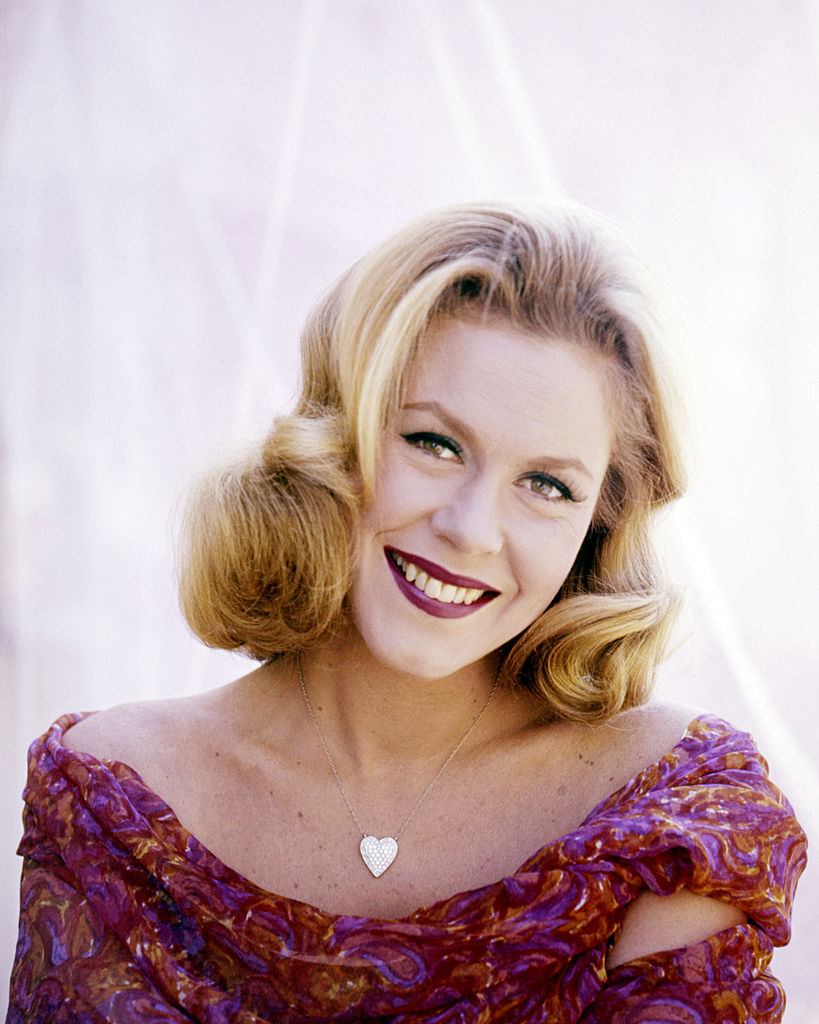
In the quiet sanctuary of her Beverly Hills home, Elizabeth passed away in her sleep, surrounded by the husband and three children who formed the core of her world. The silence she left behind was eventually filled with music and memory a month later, when a memorial was held at the Canon Theatre. There, the legendary Herbie Hancock provided a jazz-inflected soundtrack to the mourning, and acclaimed author Dominick Dunne—a lifelong confidant—painted a vivid portrait of their shared youth in the storied streets of New York.
Following her cremation at Westwood Village Memorial Park Cemetery, the world was left to reflect on a woman who refused to be defined by a single, twitching nose. Elizabeth’s career was a testament to the art of the pivot, a philosophy she articulated perfectly in a 1992 interview.
“They all have different kinds of ‘feels’ to them and that’s probably one of the reasons why I’ve done them,” she mused, reflecting on the eclectic roles that defined her later years. “I get letters from people saying one of the things they like best about what I’ve done since ‘Bewitched’ is that they never know what I’m going to do next.” It was that very unpredictability—the daring leap from sitcom sorceress to gritty dramatic lead—that ensured her legacy would remain as vibrant and multifaceted as the woman herself.
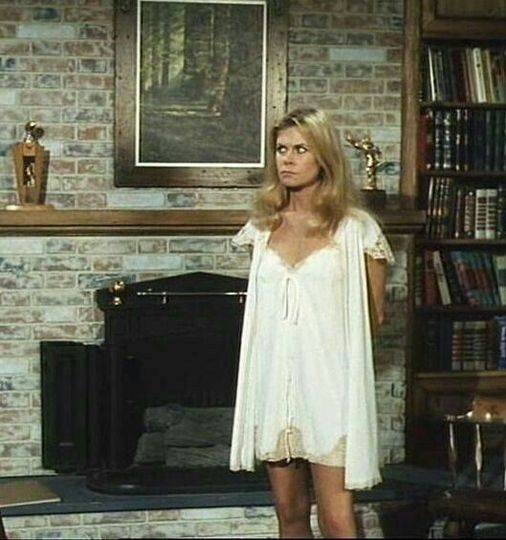
Browsing through photographs from her tenure on Bewitched serves as a poignant time machine, instantly transporting us back to an era of television defined by a certain innocence and simplicity. Elizabeth’s playful charm—anchored by that legendary, rhythmic nose twitch—offered a comforting reminder of a time when magic felt like it was only a heartbeat away. Through her radiant screen presence, she invited herself into the living rooms of countless families, leaving a legacy that still flickers brightly as a hallmark of television’s golden age.
Her greatness, however, wasn’t just in her talent, but in her temperament. “Elizabeth was the least arrogant star I’ve ever met,” Herbie J Pilato, author of Twitch Upon a Star and executive producer of the documentary Elizabeth Montgomery: A Bewitched Life, told Closer in April 2023. “She channeled that down-to-earthiness into Samantha, and we all loved her.”
She was a rare, natural beauty whose grace was as effortless as her craft, making it all the more heartbreaking that she was taken from the world far too soon.
If Elizabeth Montgomery remains one of your all-time favorite actresses, share this look back at her life on Facebook.