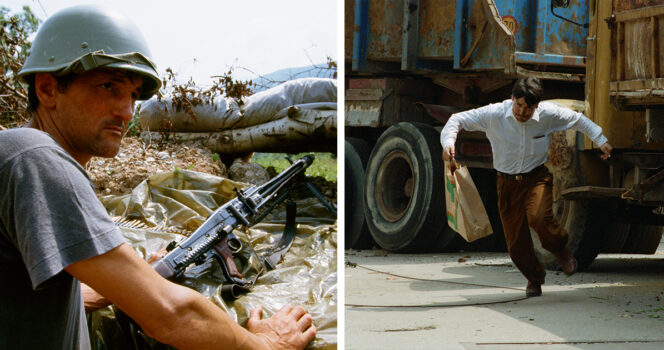
The Siege of Sarajevo—the longest, most claustrophobic strangulation of a capital city in modern warfare—was a landscape defined by the arbitrary cruelty of the sniper’s scope. But decades after the guns fell silent, a darker, more perverse narrative is emerging from the shadows of the Balkan conflict. Shocking new details have surfaced concerning the “human safari,” a depraved enterprise where the world’s elite allegedly paid king’s ransoms for the “privilege” of hunting human beings like big game.
Between 1992 and 1996, while 11,000 citizens were being systematically erased by mortar fire and lead, reports suggest a shadowy concierge service was catering to wealthy foreign nationals. These were not soldiers motivated by ideology, nor paramilitaries fueled by ethnic hatred. They were, according to mounting testimony, “bored” Westerners who viewed the carnage of Bosnia as a high-stakes playground.
A Price List for the Soul
Italian journalist and novelist Ezio Gavazzeni recently brought these “appalling rumors” into the legal crosshairs, filing a meticulous 17-page complaint with Milan prosecutors. Gavazzeni alleges that “very wealthy people”—hailing from Germany, France, England, and across the Western world—subsidized the slaughter for nothing more than “personal satisfaction.”
“There were no political or religious motives,” Gavazzeni told The Guardian. “They were rich people who went there for fun.”
Further illuminating this descent into madness is Croatian journalist Domagoj Margetić. In his visceral new book, Pay and Shoot, Margetić outlines a grim hierarchy of costs managed by Serbian handlers. According to his research, the “base price” for a kill was approximately 80,000 Deutsche Marks (roughly $53,000 USD at the time). However, the market for murder was chillingly specific:
-
The Baseline: 80,000 DM for a standard target.
-
The Premium: 95,000 DM ($61,000) to target young, attractive women.
-
The Ultimate Price: 110,000 DM ($72,000) for the opportunity to kill a pregnant woman.
Blue Blood and Bloodshed
The depth of this depravity reportedly reached the highest echelons of European society. Margetić’s work, bolstered by documents from the late Bosnian intelligence officer Nedžad Ugljen (assassinated in 1996), suggests that these foreigners engaged in morbid competitions to see who could gun down the most “beautiful” victims.
🚨 EUROPEAN ROYAL “HUNTED CHILDREN” in the infamous “Sarajevo Safari,” according to shocking allegations now under investigation in Italy.
During the Siege of Sarajevo (1992–1996), which lasted 1,425 days and killed more than 10,000 civilians, reports claim wealthy Europeans… pic.twitter.com/yqK7tsOz7L
— Our Country Our Choice (@OCOCReport) May 7, 2026
Perhaps most explosive is the allegation that European royalty participated in the “safari.” Speaking with members of Bosnian-Serb militias, Margetić was told of a specific royal figure who would arrive via helicopter to the Vogosca district. His alleged preference? Targeting children.
Crucially, Margetić argues this was no rogue operation run by street-level thugs. Instead, he characterizes it as a high-level “activity handled by the security services,” suggesting a level of state-sponsored logistical support required to usher wealthy civilians through a war zone.
Corroboration vs. Skepticism
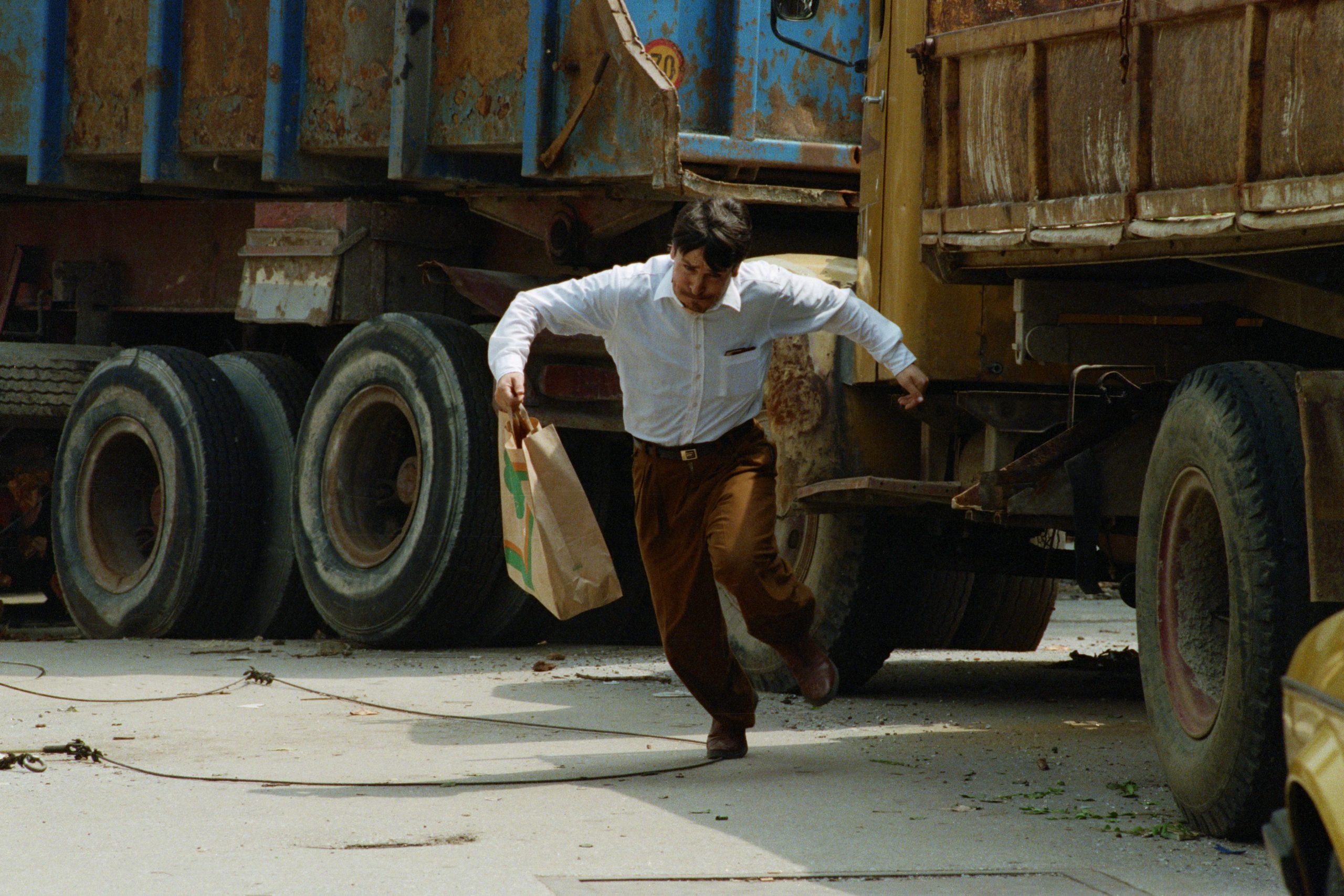
The geography of this horror was centered on “Sniper Alley,” the infamous boulevard where Sarajevo’s civilians lived and died in a permanent crouch. Evidence of foreign “novices” on these front lines has surfaced before. In 2007, U.S. Marine John Jordan testified before the UN Tribunal for the former Yugoslavia, recalling a bizarre encounter with a foreigner handling a heavy weapon with the clumsy incompetence of a weekend hunter—not a soldier. Jordan noted the weapon was more suited for “wild boar hunting” than the surgical demands of urban combat.
Furthermore, a former Bosnian intelligence operative has corroborated that Italian intelligence agencies were aware of these “safaris” as early as 1993, yet the world remained silent.
However, the “human safari” remains a polarizing subject. Critics and former British military personnel stationed in Sarajevo have expressed deep skepticism, often dismissing the accounts as “urban myths” born of wartime trauma. Soldiers interviewed by the BBC pointed to the logistical nightmare of such an operation, arguing that smuggling civilians through a dense network of checkpoints and active skirmish lines would have been nearly impossible.
As the debate intensifies, the central question remains: was the “human safari” the ultimate manifestation of absolute power and cruelty, or a ghost story whispered in the ruins? For the survivors of Sarajevo, the distinction may be academic; whether the bullet was fired by a soldier or a tourist, the wound remains the same.