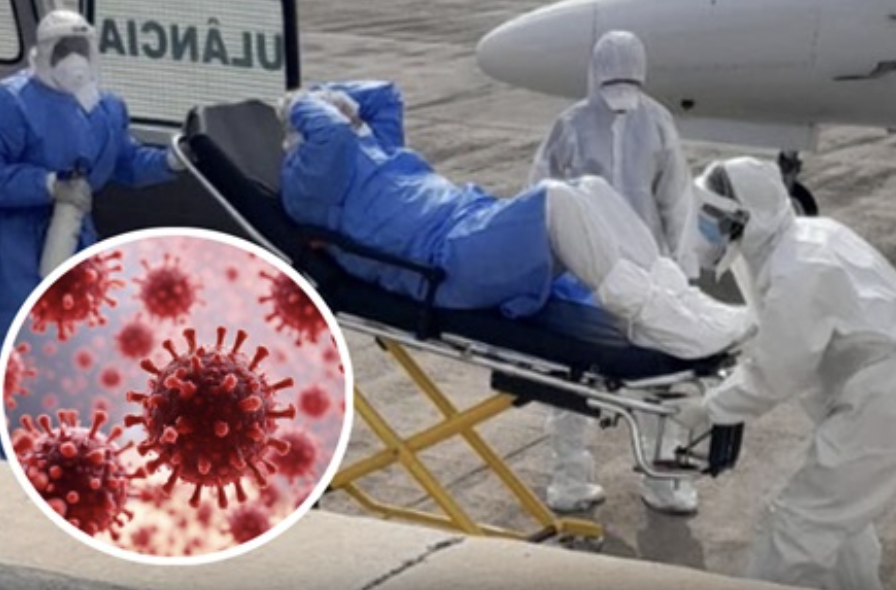
The MV Hondius, a vessel synonymous with the rugged allure of polar exploration, recently found itself navigating much more treacherous waters: the eye of an international public health storm. The hantavirus outbreak linked to the expedition ship has ignited a firestorm of global headlines, triggering a visceral wave of concern among travelers and health officials alike. Yet, as the digital echo chamber bristles with comparisons to the dark early days of COVID-19, the world’s leading health authorities are working overtime to inject a much-needed dose of scientific reality into the conversation: this is not 2020.
While the World Health Organization (WHO) continues to probe several suspected cases tied to the ship, their current stance is unequivocal: the overall public health risk remains low.
A Multilateral Response in International Waters
The drama unfolded in international waters as reports surfaced of passengers battling symptoms consistent with hantavirus—a diagnosis that carries significant weight in the medical community. The response was swift and geographically sprawling. Health authorities from the Netherlands, Spain, the United Kingdom, and Cabo Verde mobilized in a coordinated effort to manage the fallout.
Medical evacuations were executed for those in urgent need of intervention, while a tense atmosphere of observation settled over the remaining passengers and crew. Behind the scenes, a complex web of international cooperation began spinning to ensure every soul aboard was accounted for, evaluated, and tracked.
WHO Director-General Tedros Adhanom Ghebreyesus has stepped to the podium to personally address the crisis. He confirmed that WHO teams are in lockstep with both national governments and the ship’s operators, emphasizing that rigorous monitoring protocols are in place for current passengers and those who have already moved on to their next destinations. His message was a calculated attempt to project a “careful and methodical” response, pointedly steering the narrative away from the imagery of an “uncontrolled global emergency.”
The Shadow of COVID-19
The escalation of public fear is, in many ways, a symptom of collective trauma. For a world still healing from the COVID-19 pandemic, the optics of shipboard quarantines and emergency evacuations are a powerful trigger. However, infectious disease specialists are drawing a thick line between hantavirus and the highly contagious respiratory pathogens that define pandemics.
Unlike the coronavirus, hantavirus is a rare bird. It does not typically thrive on human-to-human interaction. Historically, it is a virus of environment and proximity—specifically, the proximity of humans to infected rodents or their contaminated waste.
During a recent briefing, Maria Van Kerkhove of the WHO sought to dismantle the “Next COVID” narrative. While she validated the severity of hantavirus as a serious clinical entity, she warned that misinformation and “viral” sensationalism are creating an “unnecessary panic” that obscures the actual science.
Understanding the Pathogen: Rodents and Risks
Hantaviruses are a family of viruses hosted primarily by rodents. Human infection is usually an accidental byproduct of inhaling aerosolized particles from rodent urine, saliva, or droppings. The stakes are high: in some instances, this leads to Hantavirus Pulmonary Syndrome (HPS), a severe respiratory illness.
The clinical progression is deceptive:
-
Initial Phase: Fever, fatigue, and muscle aches that mimic a standard flu.
-
Critical Phase: A rapid, often terrifying descent into respiratory distress that demands immediate hospitalization.
The MV Hondius case presents a specific epidemiological puzzle: investigators reportedly found no obvious signs of rodent activity on the ship. This “missing link” has forced experts to look backward, questioning if exposure occurred at land-based sites prior to embarkation or during off-ship excursions.
Furthermore, scientists are examining the slim possibility of limited person-to-person transmission. While vanishingly rare, specific strains in South America have shown an occasional ability to jump between humans under very specific conditions. Nevertheless, the consensus remains that hantavirus lacks the “airborne engine” required for rapid, worldwide dispersal.
The Modern Cruise Protocol: A Silver Lining
If there is a reason for optimism, it lies in the evolution of the cruise industry itself. The post-COVID era has birthed a new standard of maritime health. Modern operators now boast sophisticated isolation suites, enhanced sanitation tech, and standardized emergency communication plans. The speed with which the MV Hondius situation was addressed—isolating the sick and coordinating international shoreside care—is a testament to these upgraded defenses.
The Infodemic Challenge
The real contagion in this story may be the headlines. Terms like “the next pandemic” act as digital kerosene, spreading faster than any biological agent. Specialists warn that this speculation distorts the public’s ability to gauge risk. While hantavirus is undeniably dangerous to the individual, it currently lacks the biological “credentials” for a global takeover.
For those on the ground—or the water—the advice remains rooted in basic hygiene and environmental awareness:
-
Avoid direct contact with rodent waste.
-
Ventilate and disinfect enclosed spaces (like cabins or sheds) before cleaning.
-
Utilize protective gear (gloves/masks) in high-risk rural areas.
The Long Road of Investigation
The psychological toll on the passengers of the MV Hondius cannot be overlooked. Isolation on a vessel, fueled by alarming social media commentary, creates a unique kind of duress. WHO’s communication strategy is now as much about mental health as it is about physical health—placing risks into a “proper scientific context” to lower the collective heart rate.
Epidemiologists are now beginning the painstaking work of reviewing lab results, travel histories, and environmental samples. This is a slow, deliberate process, and authorities are calling for patience as the scientific pieces are fit together.
Ultimately, the message is one of guarded vigilance. Hantavirus is a formidable foe that earns its place in medical textbooks, but the evidence does not support the birth of a new pandemic. The situation serves as a stark reminder: in a post-2020 world, our health systems must be fast, but our facts must be faster. While we must remain alert to emerging threats, our best defense remains a calm, evidence-based understanding of the world around us.