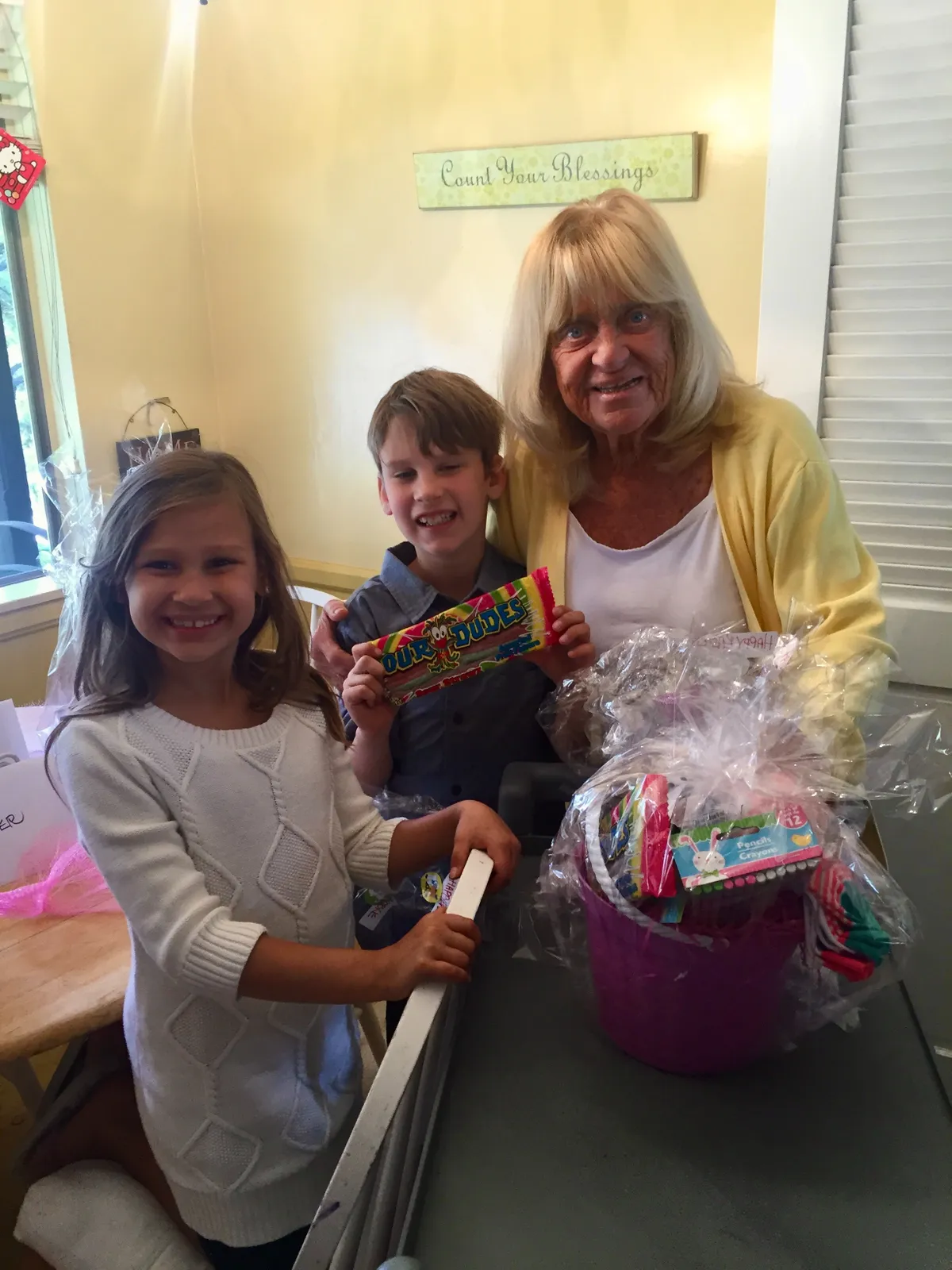
To the cinephiles of the world, she was a singular, indelible image—a flash of cinematic lightning captured in 1967 that refused to fade. But as the sun sets on the life of Joy Harmon, who passed away on April 14 at the age of 84, the tributes pouring in from across the globe reveal a narrative far more complex and flavorful than a Hollywood script. Behind the celluloid icon was a woman of grit and flour-dusted hands, a pioneer of the “second act” who traded the blinding lights of the soundstage for the steady warmth of a convection oven.
Harmon passed away peacefully in her Los Angeles-area home, cradled by the presence of her family. Her ex-husband, Jeff Gourson, confirmed her departure, describing a scene of quiet intimacy that stood in stark contrast to the public fervor she once ignited. Though her health had been besieged in recent weeks by a taxing battle with pneumonia—leading to a hospital stay and eventual hospice care—her departure was marked by a characteristic, quiet dignity.
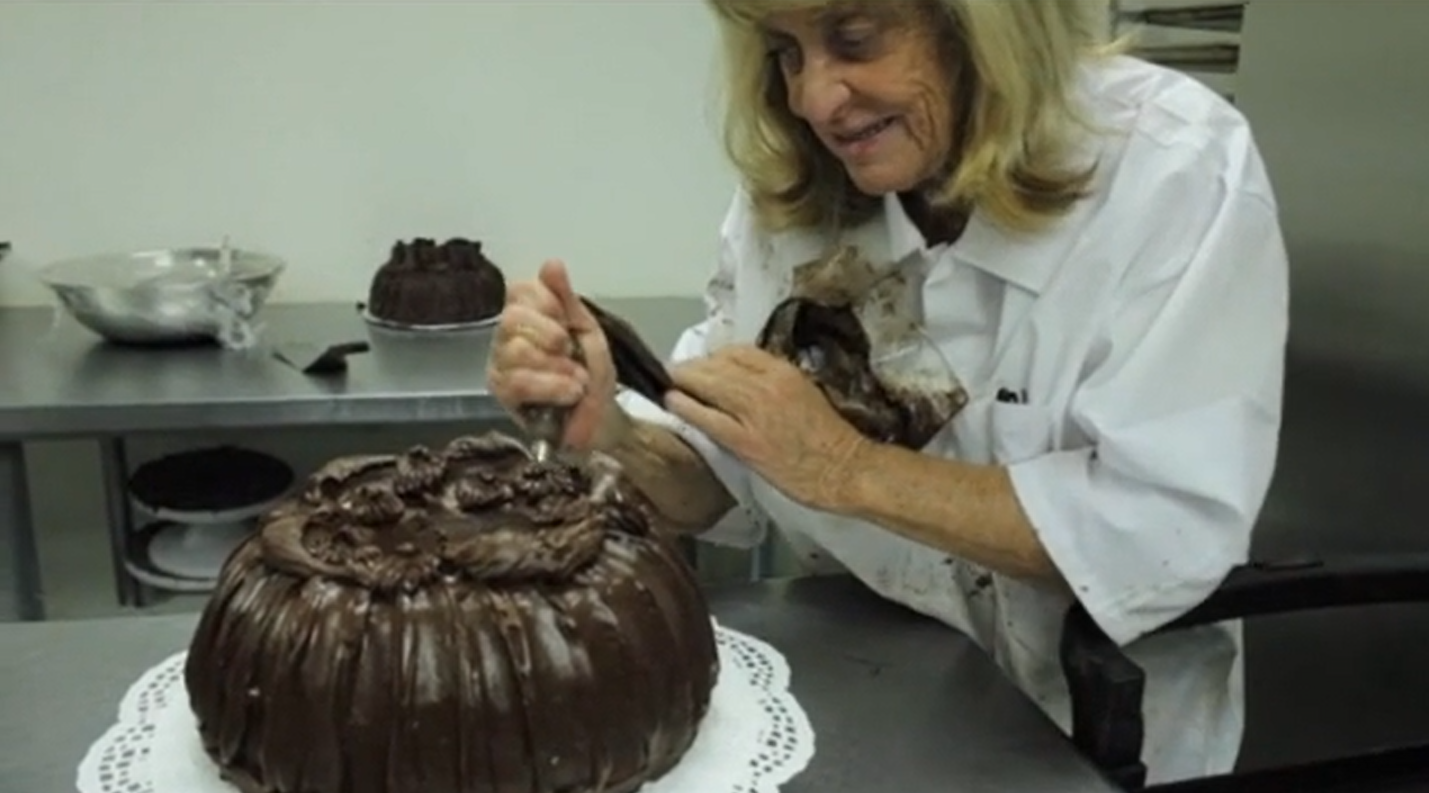
Perhaps most poignant was the revelation that, until the very day before her final hospitalization, Harmon was still working. Her “office” was no longer a trailer on a backlot, but the aromatic heart of Aunt Joy’s Cakes. To the end, she was a woman defined by her labor and her love, unaware that her long journey was reaching its final chapter, yet fully immersed in the passion that had become her life’s work.
The Five-Minute Icon: A Legacy in the Lens
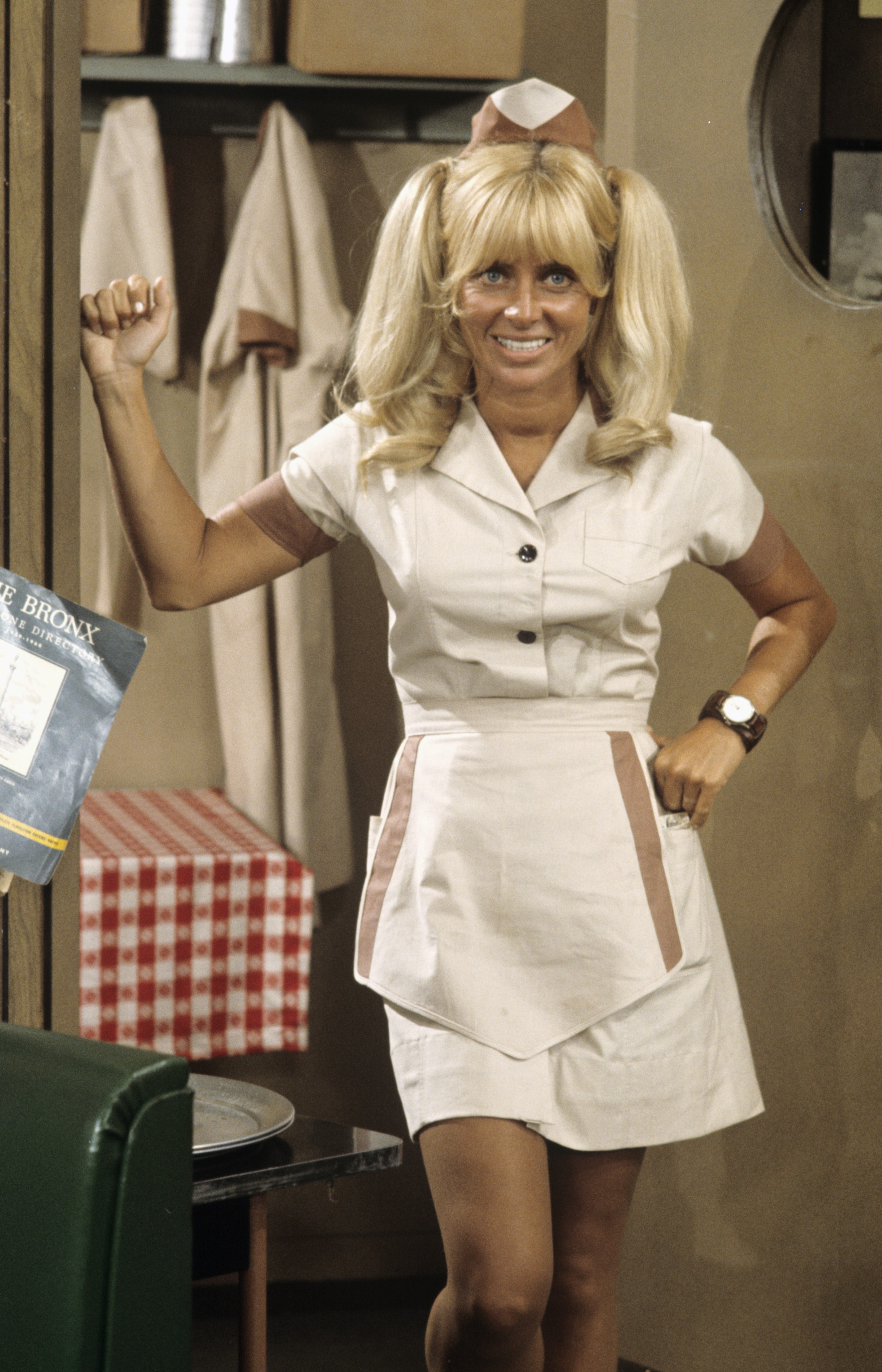
Before she was “Aunt Joy,” she was a bombshell who stopped time. Harmon’s foray into show business began in the late 1950s, a period of burgeoning television and Technicolor dreams. However, her place in the pantheon of Hollywood history was secured by a mere five minutes of screen time.
In the 1967 classic Cool Hand Luke, Harmon played “The Girl,” a role that required no dialogue but demanded an effortless, magnetic charisma. The scene—a provocative, soap-sudded car wash performed under the parched, longing gaze of a chain gang—became an instant cultural touchstone. It was a masterclass in cinematic impact; she didn’t just play a character, she became a permanent fixture of the American visual lexicon.
“She won the hearts of many young men washing that car,” one admirer reflected on social media. “She may have had just five minutes of screen time, but she left a lasting impact as an unforgettable icon.”
Yet, as the 1970s dawned, Harmon did something truly radical in a town obsessed with visibility: she walked away. It wasn’t a retreat born of bitterness or the “fading” of her star; rather, it was a deliberate pivot toward the authentic. She chose the quietude of family and the tactile joy of the kitchen over the fleeting adoration of the camera.
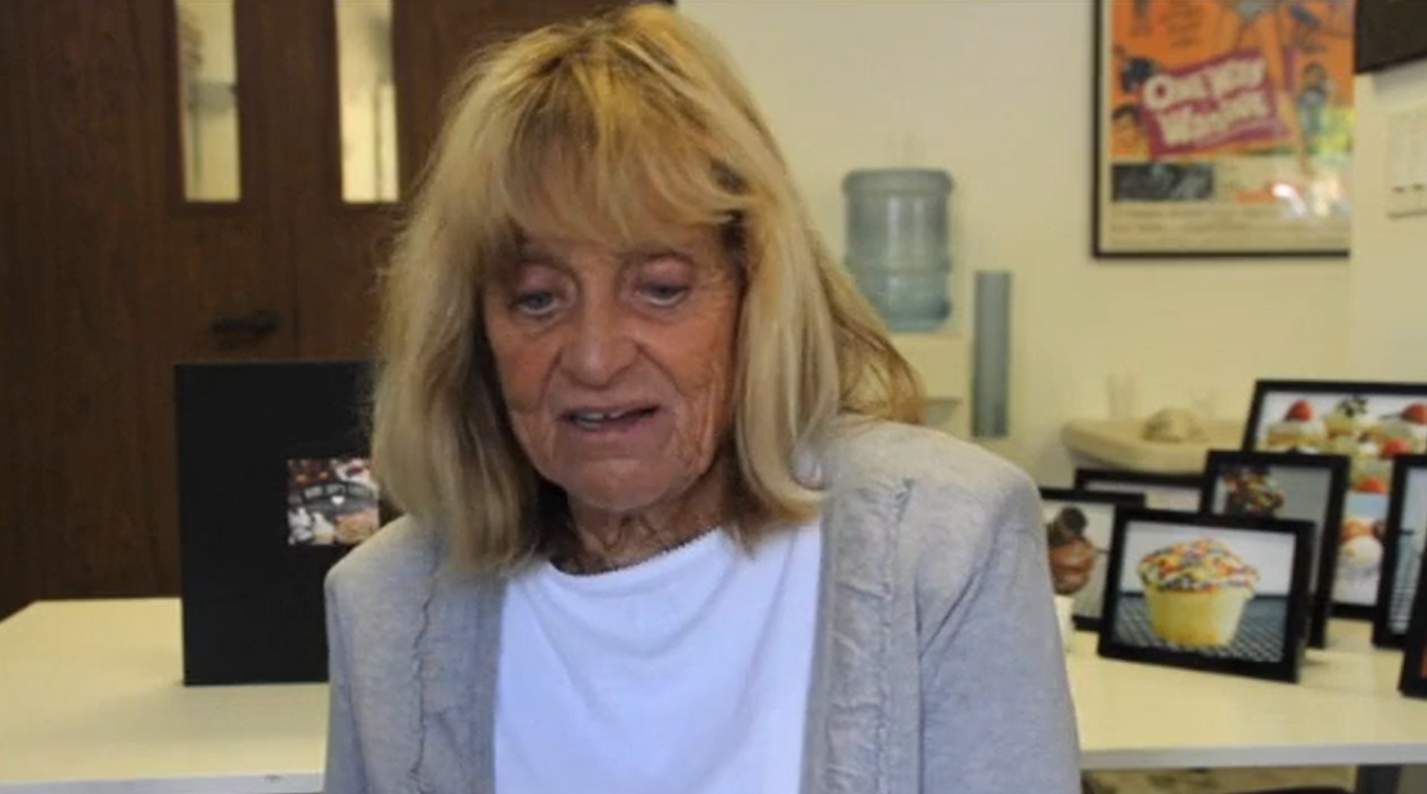
From Red Carpets to Flour Sacks: The Birth of Aunt Joy’s
The transition was seamless, fueled by a passion that had always been present. Even during her peak years in the industry, Harmon was known to arrive on set not with a star’s ego, but with bundles of homemade treats for the crew. Baking wasn’t a hobby; it was her primary love language.
What began in her private kitchen eventually blossomed into Aunt Joy’s Cakes, a boutique bakery that became a Los Angeles institution. Harmon’s treats—famed for their decadent chocolate-dipped cookies and moist, soul-warming cakes—soon found a prestigious clientele. One of her first major accounts was none other than Disney Studios, a poetic full-circle moment for a woman who had once been part of the Hollywood machine.
The success of the bakery wasn’t just in the sugar and spice, but in the person behind the counter. Joy infused her business with the same grace she brought to the screen. She found a fulfillment in the “second act” that many actors chase their entire lives but rarely capture—the satisfaction of building something tangible and enduring from the ground up.
A Life Defined by Resilience and Reinvention
As news of her passing filtered through the industry, the narrative shifted from the girl with the sponge to the woman with the whisk. Her life stands as a masterclass in reinvention, proving that a person’s “peak” is not a fixed point on a map, but a series of summits.
-
Resilience: Moving from the high-stakes world of acting to the high-pressure world of entrepreneurship.
-
Generosity: Her ex-husband recalled her deep empathy for the world around her, noting her habit of feeding the peacocks, squirrels, and chickens near her home.
-
Legacy: Creating a brand that brought literal sweetness to thousands of lives long after her film career ended.
“Legacy isn’t just about screen time,” wrote one fan, capturing the sentiment of a grieving community. “It’s about the moments that stick with people long after the credits roll. She may have left Hollywood, but she never stopped creating and giving.”
The Final Bow
Joy Harmon’s story reminds us that we are not defined by a single role, a single scene, or even a single career. She was a Hollywood icon, yes, but she was also a mother, a grandmother, a business owner, and a friend to the smallest creatures. She navigated the transition from glamour to the mundane with a rare, radiant humility.
In the end, she left the world the way she lived in it: with her sleeves rolled up and her heart open. From the dusty roadside of a 1967 film set to the flour-dusted counters of Aunt Joy’s Cakes, her journey was one of constant, beautiful evolution. She was a woman who knew that while fame might be fleeting, the joy you give to others is the only thing that truly bakes forever.