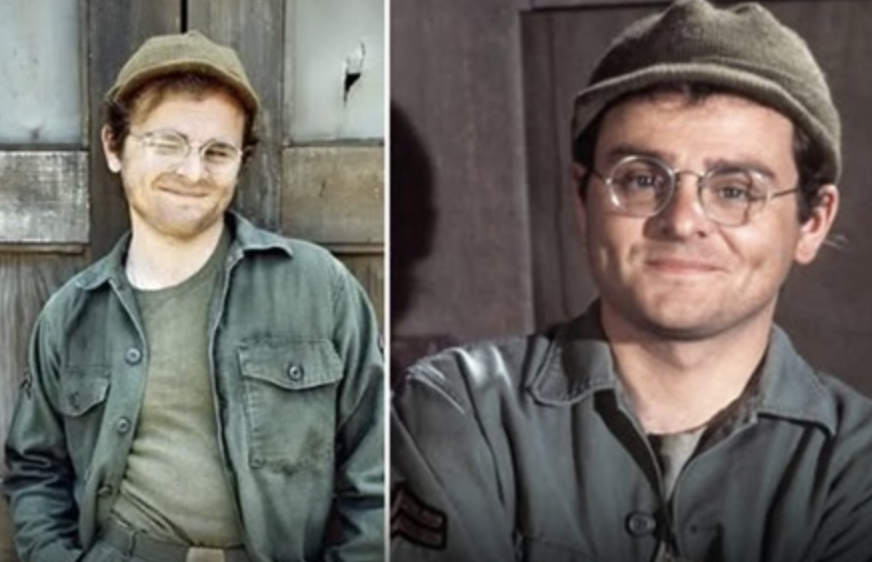
To those who came of age during the 1970s, the face of innocence amidst the visceral chaos of the Korean War belonged to a single man: Corporal Walter “Radar” O’Reilly. As portrayed by Gary Burghoff, Radar was the intuitive, bespectacled heartbeat of the 4077th Mobile Army Surgical Hospital—a character whose preternatural ability to hear incoming choppers before they breached the horizon became a cornerstone of television iconography. Yet, behind the scenes of the legendary series MASH, a far more human drama was unfolding, one defined by a star’s quiet defiance of the Hollywood machine in favor of a life built on his own terms.
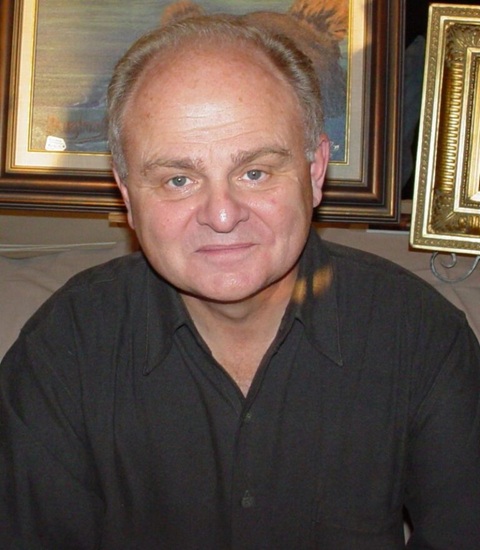
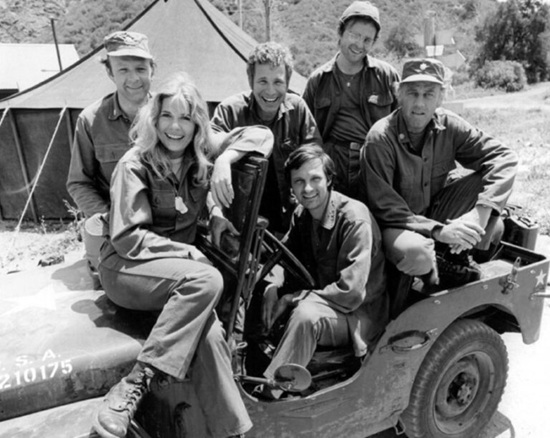
Burghoff’s journey with the character began long before the television cameras rolled. He was the sole bridge between the gritty, cynical 1970 feature film directed by Robert Altman and the more humanistic television adaptation that premiered in 1972. Reprising his role as the company clerk, Burghoff became the show’s emotional compass. His Radar was a masterclass in sincerity and vulnerability, providing a necessary counterweight to the sardonic wit of Hawkeye Pierce and Trapper John. In those formative early seasons, it was Burghoff who helped cement the show’s unique alchemy—that delicate, groundbreaking balance of slapstick comedy and the harrowing, blood-stained reality of the operating theater.
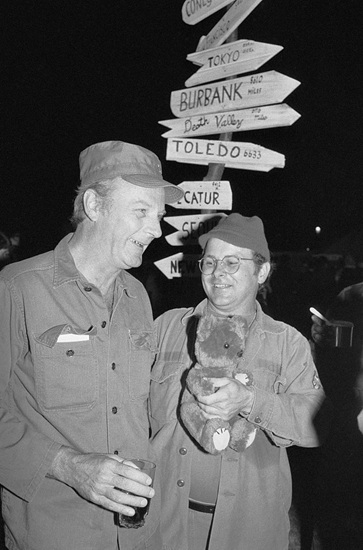
However, as MASH evolved into a cultural juggernaut, the man behind the clipboards began to feel the weight of the spotlight. By the mid-seventies, his presence on screen began to noticeably thin. While rumors swirled through the backlots, the truth was rooted in the universal struggle of the working parent. Production reports and retrospective accounts from the cast and crew paint a picture of an actor grappling with the grueling, soul-taxing hours required to sustain a top-tier drama. The friction between the relentless demands of a soundstage and the yearning for a grounded personal life eventually reached a breaking point.
The climax of this tension arrived in the seventh season with the two-part event, “Good-Bye Radar.” It was a rare moment where fiction and reality converged; the character’s discharge from service and departure for the family farm served as a surrogate for Burghoff’s own exit from the limelight. For an audience of millions, it was a profound farewell, offering a sense of closure that mirrored the transition from the trauma of war to the uncertainty of civilian life.
In the decades following his departure, Burghoff has been remarkably candid about the trade-offs he made. In a world where actors often cling to fame until it fades, he chose to walk away while the light was brightest. “Family,” he has frequently noted in interviews, was the non-negotiable factor. He viewed the sixty-hour work weeks not as a badge of success, but as a barrier to the fatherhood he cherished. He consciously prioritized the domestic sphere over the seductive lure of a continued Hollywood career, a move that was as rare then as it is now.
The industry, of course, tried to bring him back into the fold. Offers for sitcoms and high-profile guest spots filled his mailbox, yet Burghoff turned his back on the steady paycheck of the network grind. Instead, he sought refuge in the creative intimacy of regional theater. While the boards of playhouses across the country didn’t offer the global reach of a primetime slot, they provided a flexibility that allowed him to be a presence in his children’s lives. It was an artistic trade: he exchanged the roar of a stadium for the nuance of a gallery, finding satisfaction in the work rather than the recognition.
This shift revealed a man of immense, untapped depth. Beyond the “Radar” persona lay a jazz drummer with a sophisticated ear, an inventor with a passion for fishing, and a gifted wildlife painter. His canvases, teeming with the intricate details of North American fauna, eventually found their way into prestigious galleries and the collections of serious art enthusiasts. This transition into visual art wasn’t just a hobby; it was a secondary career that allowed him to engage in profound expression without the intrusion of the paparazzi.
On a personal level, Burghoff’s life has been defined by the very family growth he sacrificed his career to nurture. Through his marriages and the raising of his children, he has remained steadfast in his belief that his legacy is found in his living room, not his filmography. He has spoken with pride about the importance of being a present father, framing his professional “retreat” as a personal victory.
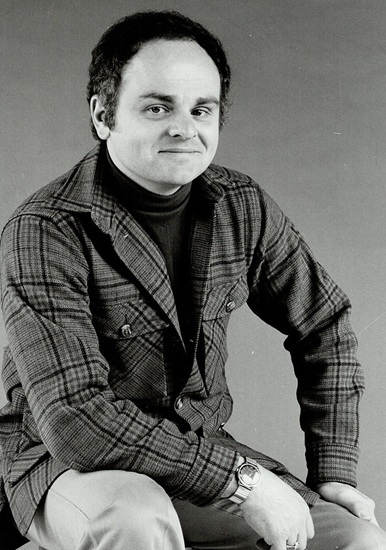
Yet, the path of the independent artist is rarely paved with gold. Burghoff has openly discussed the financial ebbs and flows that accompanied his departure from the lucrative world of television. Having bypassed the major commercial contracts and blockbuster roles that typically follow a hit series, he embraced a more modest, authentic existence. This financial fluctuation was the price of his autonomy—a price he seemed more than willing to pay for his creative and personal freedom.
There were, inevitably, brief returns to the familiar. He stepped back into the boots of Walter O’Reilly for guest spots on AfterMASH and even filmed a pilot for a proposed spin-off simply titled WALTER, which aimed to explore the character’s struggles as a small-town police officer. While the project didn’t secure a series order, the fervor surrounding it proved that the public’s affection for his work had never truly dimmed.
Today, MASH continues to thrive in the digital age, its themes of resilience and humanity resonating with new generations of viewers on streaming platforms. Within that enduring legacy, Burghoff’s performance remains the gold standard for emotional honesty. He is remembered by fans not just for his character’s “extrasensory” perception of incoming choppers, but for the profound empathy he brought to a generation of viewers.
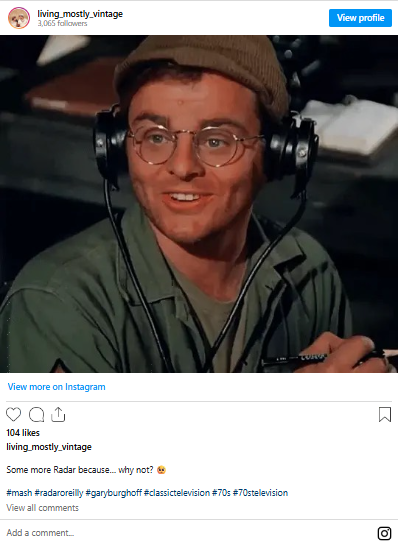
Living a largely private life today, occasionally emerging for charitable causes or rare interviews, Gary Burghoff stands as a singular figure in entertainment history. He is a reminder that the most courageous thing a person can do in the face of immense fame is to choose themselves, their values, and their family. His story is more than a television history; it is a testament to the power of personal conviction over public acclaim.