As floodwaters recede and communities begin to grasp the full scale of devastation, a growing number of heartbroken and outraged Texans are demanding answers: Why weren’t we warned sooner?
The catastrophic flooding that began on July 3 caught thousands off guard, with early reports from the National Weather Service (NWS) framing the storm as merely “moderate.” According to residents, the first official alert about flooding wasn’t issued until 1:18 p.m. that day—well after the rains had begun and rivers were already rising.
By the time the NWS upgraded the warning to a formal flash flood alert at 1:00 a.m. on Friday—followed by a more urgent Flash Flood Emergency at 4:30 a.m.—it was too late for many. Families awoke to find water rushing into their homes, roads cut off, and escape routes gone. As of now, at least 52 people have been confirmed dead, with dozens more still missing, including children from a nearby Christian summer camp.
Grieving survivors are now pointing fingers at what they see as a catastrophic failure in communication and preparedness from government agencies responsible for public safety.
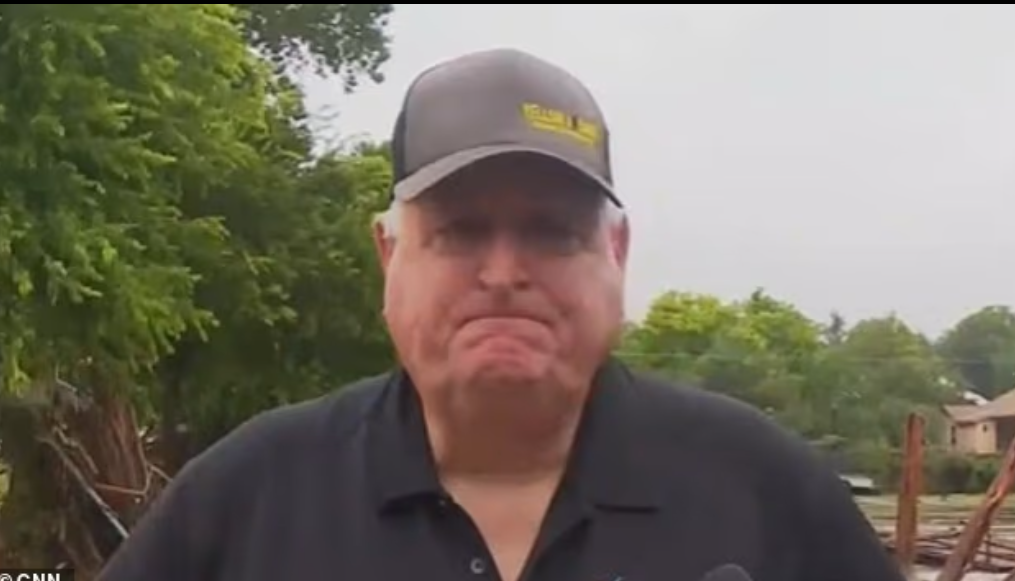
“We had no warning,” said one Kerrville resident, whose neighborhood was nearly wiped out overnight. “By the time we got the emergency alert, the river was already in our living room.”
Critics argue the system failed at every level—both local and federal. And many are now looking squarely at the recent cuts to the National Weather Service under President Donald Trump’s administration. In the past year alone, roughly 600 employees were laid off from the NWS as part of broader budget cuts to federal services. Just recently, the agency had begun the slow process of rehiring 100 positions—a fraction of the loss.
Experts warn that these staffing reductions have left the NWS ill-equipped to handle rapidly evolving weather crises—especially ones as unpredictable and deadly as flash flooding.
But the NWS isn’t the only agency under scrutiny. Trump’s proposed budgets have also included deep cuts to FEMA (Federal Emergency Management Agency) and NOAA (National Oceanic and Atmospheric Administration)—two key agencies that not only coordinate disaster response but also conduct critical climate research and early warning forecasting.
“This is what happens when you gut the institutions that are supposed to protect us,” said one former NWS meteorologist, who spoke on condition of anonymity. “We’ve been raising red flags for years about understaffing, outdated equipment, and political interference. And now people are dying.”
Residents across central Texas, especially in the hardest-hit counties like Kerr, Comal, and Guadalupe, say they were left to fend for themselves as the water rose with terrifying speed.
For many, the loss is both personal and preventable.
“If they had warned us just a few hours earlier, maybe my neighbors would still be alive,” said a Blanco County man who lost his home and two close friends in the floods.
As recovery efforts continue and the search for the missing goes on, calls are growing louder for a full federal investigation into the handling of the disaster—along with renewed demands for proper funding of the nation’s emergency warning infrastructure.
“This isn’t just a natural disaster,” one activist posted online. “It’s a man-made failure.”