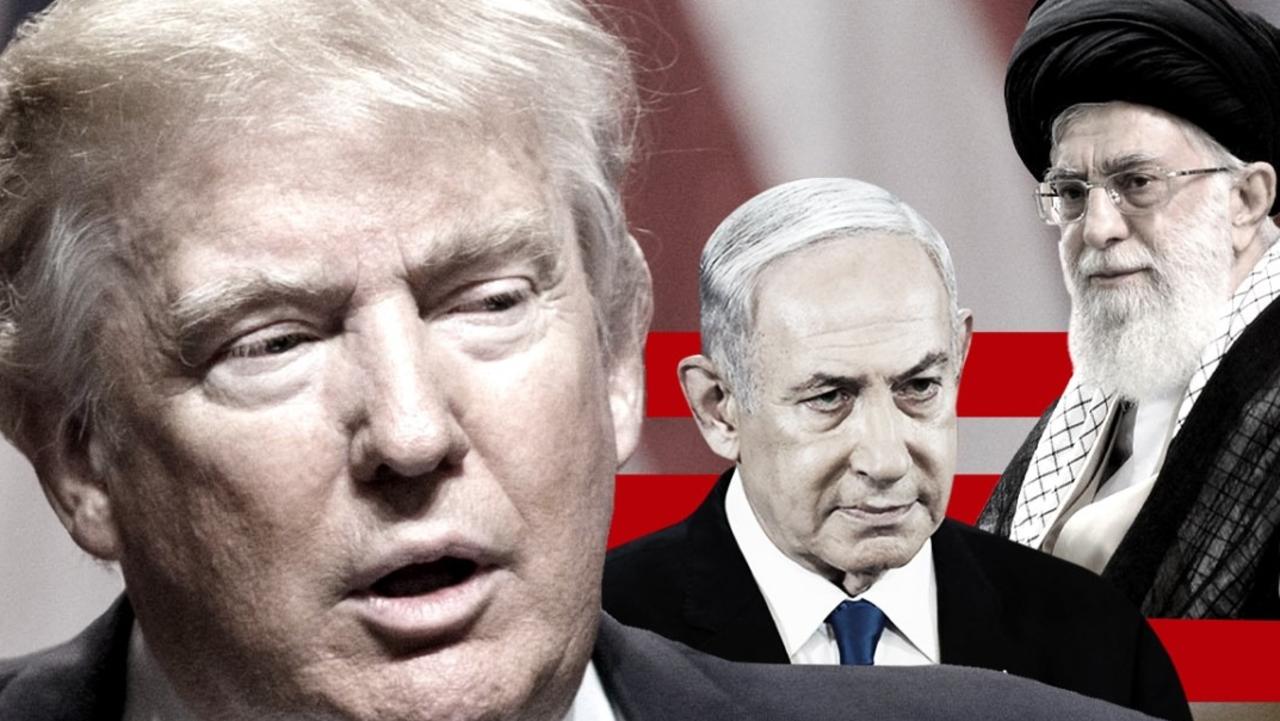
Following a weekend of high-stakes military escalation, President Donald Trump has declared a ceasefire between Israel and Iran, effectively bringing what he called the “12-day war” to an abrupt close. The announcement came after a series of devastating U.S. airstrikes targeted Iran’s critical nuclear infrastructure.
In a post on social media, Trump claimed both nations had agreed to a “Complete and Total CEASEFIRE,” though neither Tehran nor Jerusalem immediately confirmed the deal or disclosed specific terms. According to the president, the truce would unfold in phases—beginning at midnight Washington time, with Iran initiating the pause, followed by Israel 12 hours later.
“This was a war that could have lasted years,” Trump wrote, “but now, it never will.”
Vice President JD Vance hailed the strikes and ceasefire as a “reset moment” for the region, delivering a stern warning to Tehran: any renewed pursuit of nuclear weapons would be met with overwhelming force.
The ceasefire declaration came shortly after Iran launched 14 missiles at a U.S. military installation in Qatar. According to Trump, 13 of the missiles were intercepted, while the remaining one fell harmlessly. Notably, he thanked Iran for providing advance warning, which he said helped prevent casualties or damage.
At the heart of the confrontation were targeted U.S. bombings of Iran’s Fordow, Natanz, and Isfahan nuclear sites—facilities long believed to house core uranium enrichment operations. While the full extent of the damage remains unclear, former Defense Secretary Leon Panetta noted that Iran’s restrained response may indicate both substantial infrastructure loss and a calculated decision to avoid further escalation.
In a dramatic move, Iran’s parliament also voted to close the Strait of Hormuz—a chokepoint for nearly a fifth of the world’s oil supply—pending approval from its national security council. Yet energy analysts were skeptical, suggesting Iran is unlikely to follow through due to the risk of alienating vital economic partners such as China.
Despite the volatility, oil prices held steady following the ceasefire announcement. Trump urged allied nations to ramp up oil production to maintain market stability and ensure global prices remain low.
While the dust settles on what could have spiraled into a far broader regional war, the long-term consequences—military, diplomatic, and economic—are only beginning to unfold.