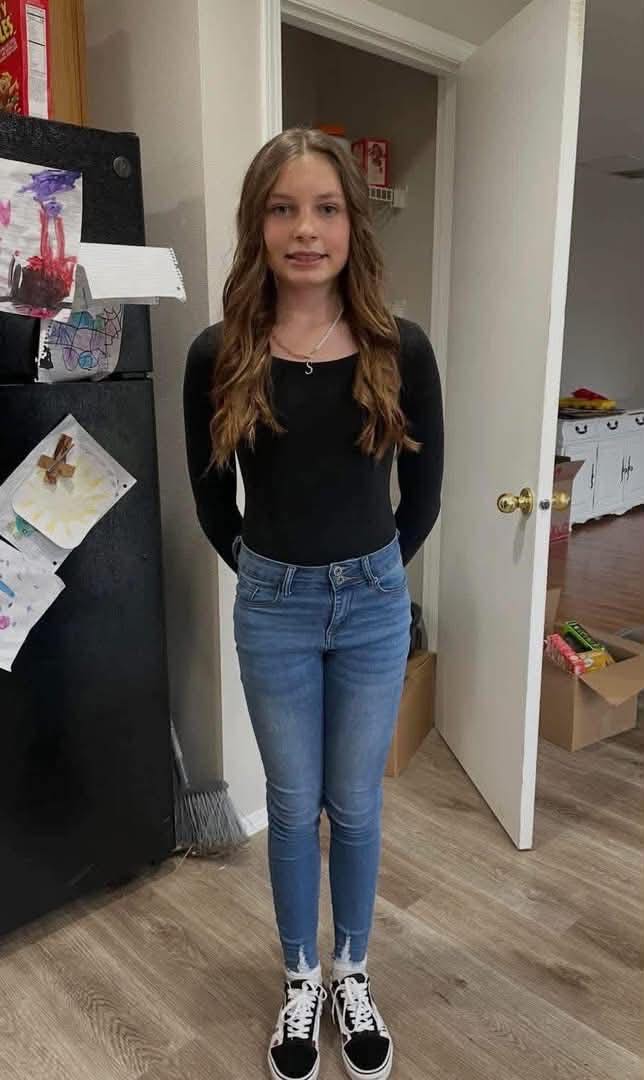
The vibrant life of 14-year-old Ana was cut devastatingly short following severe complications during her menstrual cycle. What began as a routine biological milestone quickly escalated into a medical crisis, resulting in her untimely passing. While the exact details surrounding her death remain under investigation—including the baffling circumstances of her putting a lamp on herself—medical experts are using this tragedy to issue an urgent warning: severe menstrual distress should never be dismissed as mere “growing pains.”
Those who knew Ana best describe her as a beacon of light—a loving, ambitious, and deeply compassionate young woman with a promising future ahead of her. In the wake of her passing, social media has been flooded with emotional tributes from friends, family, and classmates, all remembering a girl whose kindness left a lasting impression on everyone she met.
A Systemic Blindspot in Healthcare
Ana’s death has done more than devastate a community; it has ignited a fierce, nationwide conversation about the gaps in adolescent healthcare. All too often, young women are told to “tough out” severe menstrual symptoms, a dangerous narrative that medical professionals say must end. Experts emphasize that extreme complications during menstruation are not normal and can frequently be the first warning signs of critical, underlying health conditions that require immediate intervention.
“We have to stop treating menstrual agony as a taboo or a minor inconvenience,” says one advocacy group mobilized by the tragedy. “This is a fundamental healthcare issue, and ignoring it costs lives.”
Turning Grief into Action
Out of this profound heartbreak, a movement is growing. Grieving loved ones and health advocates are channeling their shock into a roaring demand for systemic change. There is an urgent call for comprehensive medical education, better support systems for young girls, and a cultural shift toward prioritizing women’s health from an early age.
Ana’s story is a painful reminder of how fragile life can be, but her legacy is already shaping up to be one of protection and awareness. The dialogue sparked by her passing may be happening too late to save Ana, but it arrives just in time to ensure that other young women are heard, believed, and treated before it is too late.